


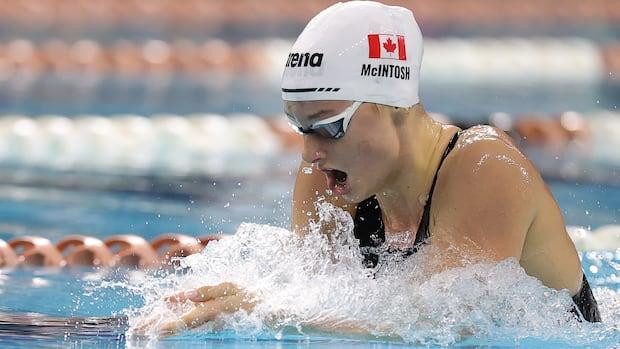
ISL Pays Athletes $7M After Years of Inactivity
POLICY WIRE — London, UK — More than 300 athletes are set to receive long-overdue prize money from the International Swimming League (ISL), totaling over $7 mil...

POLICY WIRE — London, UK — More than 300 athletes are set to receive long-overdue prize money from the International Swimming League (ISL), totaling over $7 million US, following a period of extended dormancy for the professional circuit. The move, confirmed by Commissioner Ben Allen to Reuters, represents a significant step as the organization endeavors to mend relationships and reignite competitive swimming after what it has acknowledged as years of inactivity.
The payouts stem from the ISL’s 2021 season, an event now several years removed from its financial resolution. Such delays are not uncommon in emerging sports leagues but carry a profound impact on the trust and livelihoods of professional athletes. Commissioner Allen’s public commitment to rectify these financial arrears signals a clear intent to stabilize the league’s standing within the professional sports landscape and restore confidence among its core participants.
The ISL, once seen as a challenger to traditional swimming events with its team-based, rapid-fire format, had largely faded from public view since its last season. Its stated goal now is not merely to settle old debts but to strategically relaunch operations, implying a revised business model or enhanced financial backing to ensure future stability. The decision to disburse funds to its athletes is foundational to any such revival effort.
Professional swimming, despite its Olympic prominence, has long grappled with the challenges of creating a financially sustainable professional circuit outside of major championship events. Athletes, even those at the sport’s apex, often depend heavily on sponsorships, national federations, and limited prize earnings to fund their careers. When a significant portion of expected income, such as prize money from a prominent league, becomes overdue, it places immense financial strain on these individuals. This financial uncertainty can directly impact training, performance, and the very feasibility of continuing a professional career.
The International Swimming League’s initial vision was ambitious: to offer a lucrative and dynamic alternative to traditional swimming meets, providing athletes with greater financial rewards and an engaging competitive platform. Early seasons saw some of the world’s most recognizable swimmers participate, attracted by the promise of both competition and compensation. However, operational hurdles and, evidently, financial mismanagement led to a hiatus that risked permanently undermining the league’s credibility.
The public acknowledgment of outstanding payments — and the concrete plan to resolve them are crucial. It suggests the ISL leadership is aware of the skepticism it faces and understands that rebuilding trust must begin with addressing past failings transparently. For a sports league to succeed, the fundamental compact between the organization and its athletes – that their efforts will be fairly and promptly compensated – must be unshakeable. Breaches of this compact often lead to athlete boycotts, negative publicity, and ultimately, the collapse of the venture.
📄 POLICY WIRE WHITEPAPER PUBLISHED: PAKISTAN'S NATIONAL SECURITY POLICY PRIORITIES
👉 READ BY CLICKING HEREWhile the exact plans for the ISL’s ‘relaunch’ remain to be detailed, the prioritization of these overdue payments sends a clear message about future intentions. The success of any new season or revamped format will depend as much on the confidence of its swimmers and their agents as it will on television deals, sponsors, and fan engagement. Clearing this debt, therefore, is less about an accounting exercise — and more about an investment in renewed legitimacy.
What This Means
The payment of over $7 million to International Swimming League athletes signals a pivotal moment for the dormant professional circuit. From a strategic perspective, it’s the bare minimum required for any credible attempt at revival. Without rectifying past financial omissions, attracting top talent or securing meaningful investment for a new season would be virtually impossible. The act suggests potential new leadership, significant new funding, or a dramatic restructuring of the league’s operational framework.
However, simply paying off old debts doesn’t guarantee future success. The ISL will need to articulate a robust, financially transparent, and sustainable model for its future operations to truly relaunch. The professional sports landscape, especially outside globally dominant leagues, is littered with examples of ventures that failed due to unstable financing or a disconnect between ambition and execution. The challenge for the ISL now lies in demonstrating not only that it can pay its athletes but that it has learned from past mistakes and can consistently fulfill its commitments moving forward. Will this significant financial outlay be enough to re-engage the trust of athletes and investors, or is it merely a prerequisite for an even greater uphill battle to establish long-term viability?
(Reporting based on Reuters)