


The Silent Auction of Ambition: What Rontrae Carter’s Pledge Says About Modern Youth, Global Capital
POLICY WIRE — Washington D.C., USA — In the sprawling, often bewildering labyrinth of American collegiate athletics, a single declaration last Sunday quietly underscored the immense economic and...

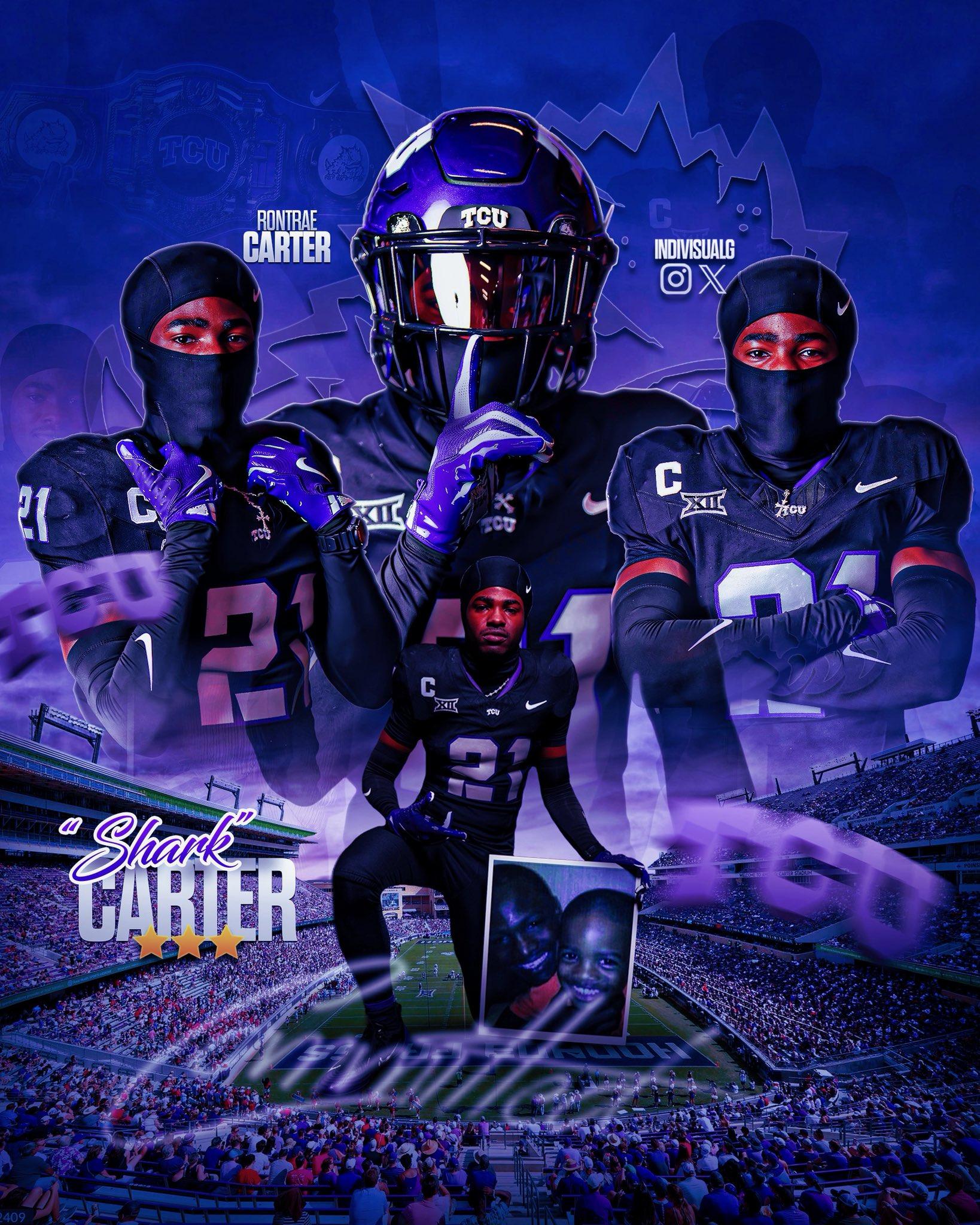
POLICY WIRE — Washington D.C., USA — In the sprawling, often bewildering labyrinth of American collegiate athletics, a single declaration last Sunday quietly underscored the immense economic and social currents shaping a generation. It wasn’t a policy announcement from Capitol Hill, nor a seismic shift in global trade routes, but the relatively understated pledge of Rontrae Carter—a high school athlete from Marrero, Louisiana—to join the Horned Frogs football program. His decision, cast against a backdrop of flashing cameras and hopeful Tweets, offers a miniature case study in the colossal machinery of youth aspiration and institutional self-interest.
It’s easy to dismiss such news as mere sports page ephemera. But one simply can’t ignore the dollars. We’re talking about an industry. A truly massive, billion-dollar business masquerading as amateurism. The NCAA itself reported an operating revenue of roughly $1.1 billion in its 2022-23 fiscal year, an amount that dwarfs the GDP of many smaller nations. This money, ostensibly for education, often functions more like the grease that turns the wheels of a quasi-professional youth development machine. Carter’s choice—between institutions like Mississippi State, UNLV, and Houston—was never merely about donning a different uniform; it was a deeply personal navigation of a multi-billion dollar landscape. [QUOTE_PLACEHOLDER]
Carter, who’s currently a rising senior at Archbishop Shaw, isn’t just a face in the crowd. He’s been recognized three times as All-District — and twice earned All-State honors in Louisiana. As a junior in 2025, Carter compiled 97 tackles — and two interceptions while leading his team to a 9-5 record. His athleticism, a market commodity, makes him valuable. This isn’t just a kid who likes to play ball; it’s a meticulously crafted resume, carefully honed over years. His multi-sport background—competing in track and field—further highlights the kind of specialized human capital being cultivated within this unique system. He’s the 18th overall prospect for the 2027 class joining the Horned Frogs, the second safety. These programs, after all, aren’t simply gathering talent. They’re investing, with a shrewd eye on future returns, both on the field and in the coffers.
But the calculus isn’t exclusively economic. These young athletes represent cultural capital, too. Their commitments ripple through communities, offering fleeting moments of collective pride, tangible aspiration. For many, college athletics isn’t merely a game; it’s a perceived pathway to social mobility, educational access, and a future often beyond the reach of their immediate circumstances. It’s a compelling, often fraught, narrative of ambition.
His decision followed an official visit to TCU in June, a trip that no doubt crystallized the opportunity. These visits aren’t casual affairs. They’re high-stakes recruiting pitches, glossy presentations of athletic facilities, academic support (where applicable), and—let’s be honest—the tantalizing dream of a professional career. The emotional pull of I’m home!🐸🐸, a sentiment expressed via social media, reflects the powerful psychological dynamics at play in this system.
What This Means
Rontrae Carter’s commitment is a micro-transaction in a macro-economy of youth development. Politically, it spotlights the increasingly visible tensions within collegiate sports: the balance between student welfare and commercial imperatives. State legislatures across the US continue to grapple with Name, Image, and Likeness (NIL) legislation, trying to define—or constrain—the direct monetization of athletes, fundamentally altering the fabric of college sports. And it’s not a uniquely American phenomenon, this relentless pursuit of talent.
From a global vantage, this US model, with its intense focus on athletic prowess as an educational and economic escalator, contrasts starkly with systems in places like Pakistan or broader South Asia. There, similar young aspirations, perhaps for engineering, medicine, or tech, often clash with more rigid educational structures, fewer endowed athletic pathways, and less direct access to global capital flows for talent development. While a young Pakistani might dream of a scholarship to a top university, it’s typically for academic rigor, not the thunderous applause of 80,000 football fans. These societies often struggle with a brain drain, as their best and brightest, unable to find similar opportunity structures at home, look West. We’re talking about an analogous human quest for upward mobility, simply filtered through vastly different institutional mechanisms and societal priorities. It underscores the broader geopolitical implications of how nations invest in, retain, or lose their most promising young minds. One system offers football as a golden ticket; another, a highly competitive exam. Both, at their core, are about the future of a nation’s human potential.
Economically, Carter’s choice also signifies continued confidence in the viability of this unique American educational-athletic complex, despite ongoing debates about amateurism and athlete compensation. For TCU, it means strengthening a defensive roster, aiming for championships, and, ultimately, enhancing its brand—a brand that drives donations, applications, and viewership. It’s a calculated decision by an 18-year-old, yes. But it’s also a reaffirmation of the power of structured pathways in a world obsessed with talent. The market, always discerning, finds a way.