

Albuquerque’s July 4th: Patriotism’s Price in a Divided Nation
Albuquerque's July 4th celebration sparks debate on patriotism, unity, and cost in a divided nation. Uncover the true economic and social impact of the festivities.

POLICY WIRE — Albuquerque, New Mexico — You couldn’t escape the heat. Not the 100-degree kind that bakes the high desert in July—though that was certainly a factor, turning pavement into griddle and patience into a scarce commodity. No, we’re talking about the low-boil kind, the national temperature as Americans stumble toward a quarter-millennium mark. So when Albuquerque threw its Independence Day bash, the ‘Freedom 4th,’ ostensibly for the nation’s 250th birthday countdown, you had to wonder what everyone was really feeling as they sweated it out for a good view of the pyrotechnics.
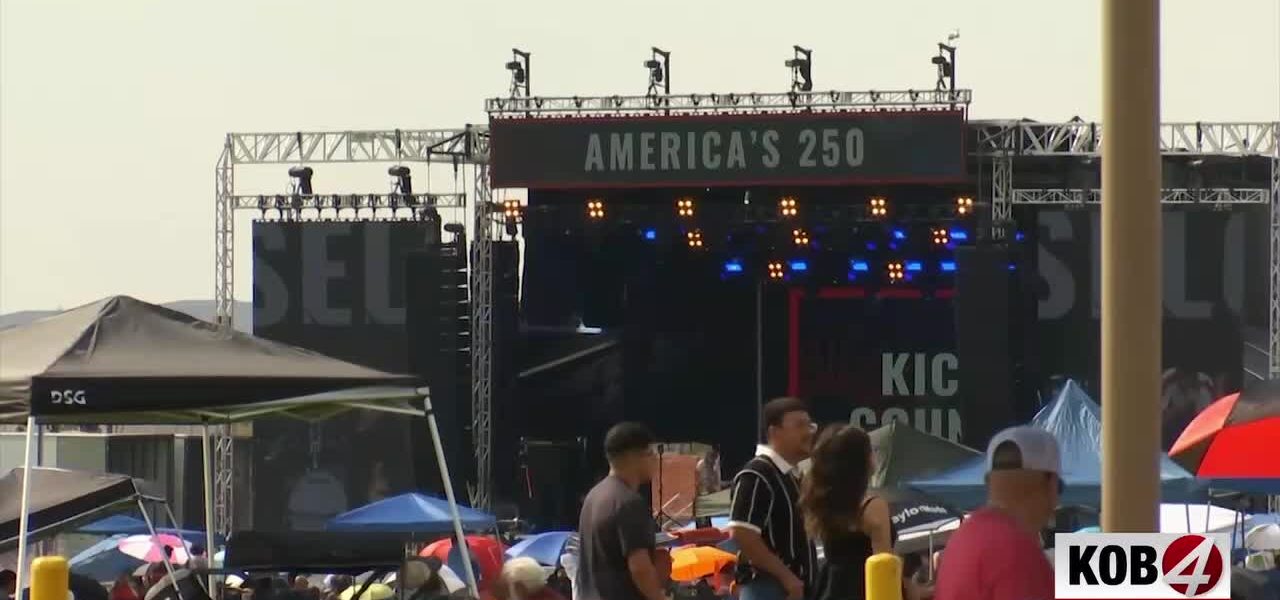
Balloon Fiesta Park, usually a launchpad for colorful aerial dreams, transformed into a sprawling, sun-drenched bazaar of forced gaiety. Thousands showed up, kids sticky with melting popsicles, parents navigating stroller traffic and the unyielding demands of a fun-hungry populace. They came for the usual: face painting that ran in rivulets, food trucks peddling questionable delights, and live music that—let’s be honest—few were truly listening to before the main event. Because, you know, fireworks.
It’s an annual ritual, a deeply ingrained custom, isn’t it? To gather, to consume, to stare skyward as explosives burst in programmed patterns. It’s a powerful narrative, this collective celebration of nationhood, even when the nation itself often feels, well, a little fractured around the edges. But that’s the deal with national holidays: they’re as much about the present need for unity as they’re about the historical moment they supposedly commemorate. And this particular present often feels like walking through an ideological minefield, doesn’t it?
“We don’t just put on a show; we put on a memory for these families, a sense of belonging,” declared Mayor Tim Keller, speaking from a dais shielded (thankfully) from the worst of the afternoon glare. “It’s about our community, our shared heritage. It’s about remembering that, for all our squabbles, we’re all still New Mexicans, we’re all still Americans who believe in this big, noisy experiment we call democracy.” His voice, as ever, had that perfectly calibrated blend of civic pride and understated call-to-arms.
But the ‘experiment’ often looks different from other vantage points. Out in Islamabad, for instance, or in Jakarta, when they celebrate *their* hard-won independences, the fanfare often coexists with starker questions of economic stability and political representation. It’s a sobering reminder that while Albuquerque residents fussed over their comfort at Balloon Fiesta Park, billions globally still grapple with the foundational definitions of what a ‘free’ nation truly means. A point Senator Martin Heinrich might allude to on the national stage. “These displays, they’re part of our cultural fabric, yes,” Senator Heinrich stated in a policy discussion last week. “But genuine patriotism, the kind that moves us forward, demands honest introspection about who we’re, what we’ve become, and the work we still have to do, not just within our borders, but on the world stage, upholding the principles we claim to embody.” A nice touch of pragmatism there, wouldn’t you say?
Families, meanwhile, were mostly concerned with logistics. Long lines for bouncy houses, shade scarcity—those were the pressing matters. One group of kids, their faces smeared with paint, put it succinctly: “It was fun, but it just got so hot!” A sentiment, arguably, reflective of the national mood in more ways than one. It’s tough to maintain pure, unadulterated zeal when conditions aren’t exactly ideal. And boy, those kids nailed it, didn’t they?
📄 POLICY WIRE WHITEPAPER PUBLISHED: PAKISTAN'S NATIONAL SECURITY POLICY PRIORITIES
👉 READ BY CLICKING HEREThe city’s expenditure on this grand patriotic spectacle isn’t insignificant either. Public firework displays across the United States typically cost municipalities an average of $6,000 to $10,000 *per minute* for pyrotechnics alone, with total event costs ballooning far beyond that to cover security, logistics, and personnel, according to figures compiled by the American Pyrotechnics Association. It’s a chunky investment for a few moments of ‘ooh’ and ‘aah’—but hey, it’s tradition, and traditions, even the costly ones, tend to stick around.
What This Means
Albuquerque’s festive turn, as with hundreds of other cities this season, is more than just a big party. Politically, these events serve as critical touchstones, attempts to foster civic cohesion even as the nation grinds through increasingly polarized debates. They’re a reassertion, albeit sometimes a tired one, of shared identity. They’re a nod to what *should* unite us, if only for an evening, pushing aside—briefly—the noise of cable news and social media.
Economically, the impact is a localized jolt. Food vendors, souvenir hawkers, service workers—they all get a little bump. It’s an informal stimpack for the micro-economy, particularly in a season when discretionary spending sometimes sees a slight dip. But more profoundly, it reflects the enduring American habit of tying consumerism directly to patriotism. We don’t just *feel* good about America; we *buy* good about America. And while politicians might talk about unity, the real common ground on these days often seems to be found in the shared queue for a lukewarm hot dog.