


Wimbledon: Osaka’s Quiet Support, Global Inspiration
Naomi Osaka's quiet support for Shintaro Mochizuki at Wimbledon goes beyond the court. Discover how this powerful act of solidarity inspires global tennis talent.

POLICY WIRE — London, United Kingdom — Forget the top seeds and their predictable march through the Wimbledon greens—for a moment, anyway. This year’s Championships offer a subplot far more compelling than mere scoreboard victories: the quiet endorsement from a titan to a burgeoning talent. It’s a masterclass in the unwritten rules of solidarity, playing out not just on Centre Court but along the more humble Court 18 sidelines.
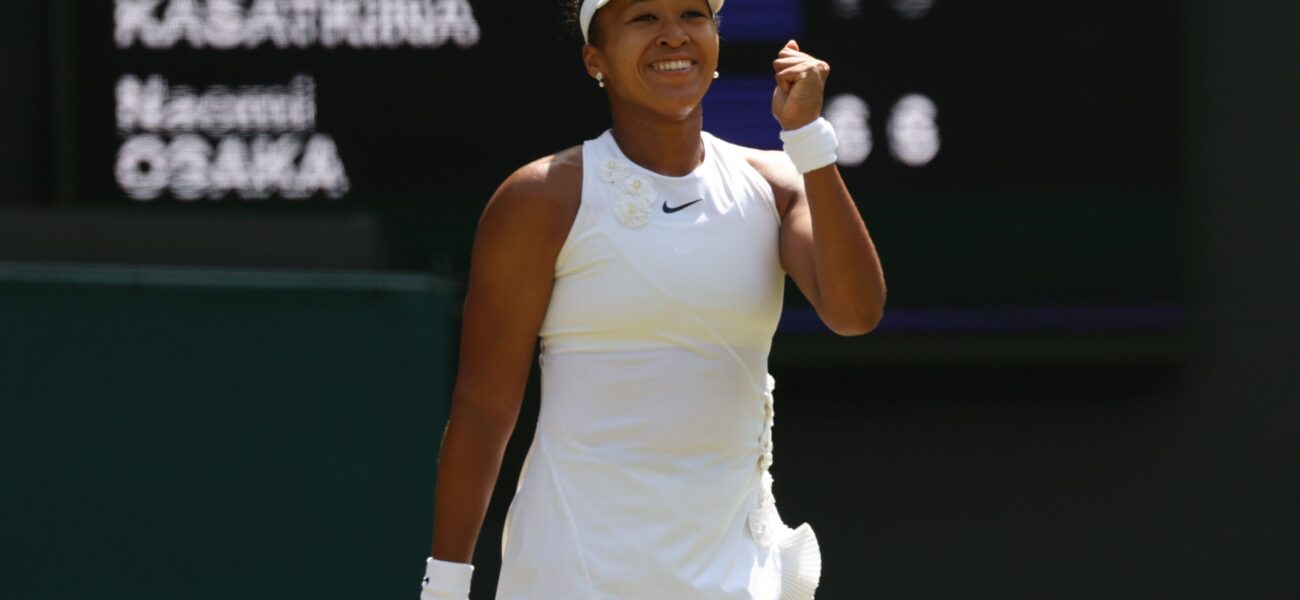
Because there, just after securing her own hard-won progress, stood Naomi Osaka, World No. 14, in a scene that —let’s be honest—you don’t always get to see from the sport’s elites. She’d just pulled off a dominant straight-set win over Daria Kasatkina, clinching a 6-1, 6-3 victory in just 65 minutes. She didn’t head for the massage table, or the press scrum, or her private suite, though she surely had that option. No. She went to cheer on Shintaro Mochizuki, a qualifier no less. A simple gesture, but one that reverberates.
It’s an image that captures more than just camaraderie; it speaks to the changing tides in global sports, where once-isolated talents from Asian nations—often overshadowed by Western dominance—are increasingly making their mark. This sort of support system, an almost informal mentorship, helps pave the way. It’s got a particular resonance, actually, across a vast swathe of the world, from Jakarta to Islamabad. Nations like Pakistan, for instance, are perennially hungry for individual sports heroes to mirror the adulation cricketers receive, and these rising stars offer that hope. They don’t just win games; they inspire, sometimes profoundly.
Mochizuki, after navigating the unforgiving qualifying rounds, then beating Max Basing and Ethan Quinn, pulled off what can only be described as a stunning upset against Rafael Jódar, the No. 23 seed. Osaka didn’t just watch; she recorded his winning moment, too. Later, she even shared the clip on Instagram with the message, Let’s go Shiniiiii!!!! And it gets better.
The pair, it turns out, bonded earlier this year while representing Japan at the United Cup. Mochizuki admitted, quite disarmingly, that he was very nervous. It was actually, like, couple days ago, maybe yesterday, is the first time I spoke with her. I saw her a couple times in the tournament, but I didn’t get a chance to talk to her. I was very nervous at the beginning. I think it’s getting better. Hopefully I can get close more and more. If I get to play doubles with her, it would be great, he said.
Now, both players find themselves setting up mirror-image fourth-round clashes against the tournament’s top seeds. Osaka will face Aryna Sabalenka, — and Mochizuki gets to play defending champion Jannik Sinner. Talk about a baptism by fire. It illustrates, doesn’t it, how global platforms—be it Wimbledon or any other major tournament—aren’t just venues for sport, but stages for emergent soft power, for stories of individual grit that inspire whole regions. They’re a kind of talent showcase for a planet that’s increasingly connected.
📄 POLICY WIRE WHITEPAPER PUBLISHED: PAKISTAN'S NATIONAL SECURITY POLICY PRIORITIES
👉 READ BY CLICKING HEREShintaro Mochizuki, ahead of his formidable encounter, described Sinner as a celebrity. He’s feeling it, surely. It’s a strange feeling to play Jannik at Wimbledon, especially this year. I was not winning much before coming here. I don’t know how I’ve been winning matches here. I’m excited, but I also feel a little strange. But I just want to keep enjoying it, he confessed. Osaka, for her part, seems less trepidatious about her own match, having expressed confidence and noting she didn’t have as many doubts about her abilities on grass. Confidence, it seems, is a commodity best shared, even if only via a fleeting Instagram post.
What This Means
This dynamic—a global superstar publicly championing an emerging talent from her own region—carries implications far beyond the tennis court. It’s a visible representation of national and regional solidarity, a kind of ‘soft diplomacy’ that quietly challenges geopolitical tensions or historical rivalries. For countries in South Asia and the broader Muslim world, which are often looking for avenues to assert their cultural and sporting identities on a global stage, such events can be powerful. They demonstrate that the path to international acclaim, while difficult, is not impossible.
The ‘celebrity effect’ from someone like Osaka helps amplify Mochizuki’s story, turning a purely sporting achievement into a broader narrative of aspiration. Consider, too, the economic angle. The exposure a player like Mochizuki gets from such high-profile endorsements—and reaching the fourth round of Wimbledon, battling a top seed—can open doors to sponsorships, coaching opportunities, and funding that would otherwise be elusive. It directly impacts their marketability and their career trajectory, underscoring the growing importance of the global talent economy, where individual skill can transcend national boundaries.
But there’s also a more subtle message: that even amidst cutthroat competition, there remains space for genuine human connection and support. That’s a good reminder, particularly in a world sometimes too eager to highlight divisions. It’s not just about winning; it’s about making waves, building a future—and sometimes, it’s about one person filming another’s victory and saying, [QUOTE_PLACEHOLDER] It’s a small moment, yes, but those small moments are sometimes what spark bigger dreams, changing the conversation around who can make it and where they come from. It gives aspirational players in Pakistan or Malaysia, watching on their phones, a glimpse of what’s possible, providing a different narrative from the traditional power structures in sport.