


Michigan Mall Shooting Exposes US Gun Violence Crisis
A Michigan mall shooting reveals the grim reality of US gun violence. Explore its profound societal toll, political paralysis, and alarming global perceptions.

POLICY WIRE — Lansing, United States — It was a perfectly ordinary Sunday. That’s how these tales usually begin, isn’t it? Shoppers at Grandview Galleria were, you know, just shopping. Maybe grabbing a new gizmo, catching a matinee, or enjoying an overpriced latte—then the familiar, horrifying disruption ripped through the air. A commonplace mall, an unremarkable day, — and then the indelible stamp of gun violence yet again. It wasn’t the first, — and let’s be brutally honest, it won’t be the last. This isn’t about just a mall anymore; it’s about a cultural affliction, a pattern so predictable it feels like a grotesque civic ritual.
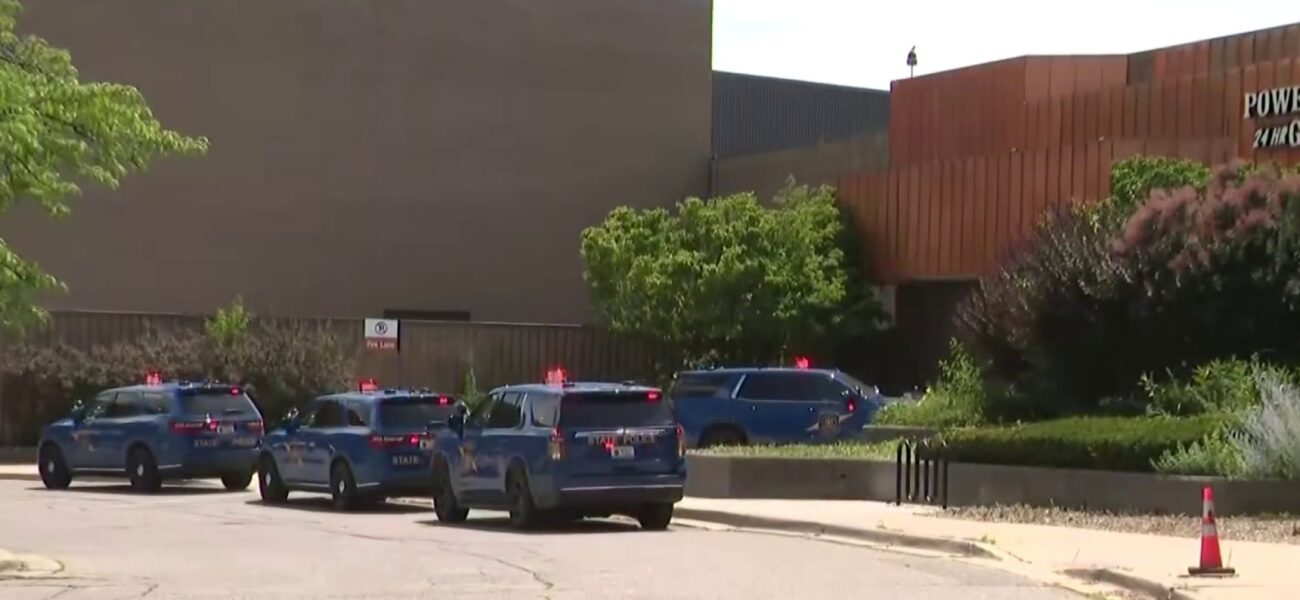
Two lives abruptly extinguished. Think about that for a second. Two folks who woke up this morning with plans, probably mundane ones, now statistics. The usual ballet of law enforcement—blue lights, hurried paramedics, frantic whispers—commenced at what was previously Grandview Galleria, described in official pronouncements as ‘a bustling retail hub’. The scene unfolded, as they always do, amidst the usual weekend throngs during peak shopping hours. Eyewitnesses didn’t mince words, painting a picture best summarized as a ‘chaotic’ scene. Panic, shouts, the kind of primal fear that freezes your blood. It’s hard to imagine, but then, isn’t it also hard to forget? [QUOTE_PLACEHOLDER]
And so, Michigan found itself once more grappling with the raw, brutal aftermath. A police spokesperson, clearly wrestling with the boilerplate of these pronouncements, stated that ‘the community is shaken’ by what happened. Who wouldn’t be? This particular horror show marks an grim milestone, too: this event is reportedly the 37th public mass shooting in the United States this year alone, according to the Gun Violence Archive, a stark data point that hits you like a cold slap. Think about the sheer frequency. It’s a sobering statistic. Victims? Currently unidentified, awaiting the dreaded knocks on their families’ doors. This isn’t merely an ‘incident,’ folks; it’s a gut punch.
But the reverberations from such events ripple far beyond the immediate postcode. In nations like Pakistan, where public safety debates often center on issues of sectarian violence, insurgency, or geopolitical machinations rather than shopping centre shootouts, the American phenomenon of mall shootings is frequently observed with a mixture of disbelief and quiet superiority. There’s an ongoing, subtle analysis within various South Asian news desks and diplomatic circles – especially amongst the chattering classes of Islamabad and Karachi – as to why a nation so advanced struggles with such a basic facet of public life. For them, American public spaces often look like a peculiar brand of wild west, albeit with credit cards and designer boutiques. We hear their veiled observations, see the headshakes from across the ocean. Because when an act of seemingly random aggression takes root in the supposedly safest corners of the global superpower, it asks difficult questions not just about domestic policy, but about a civilization’s grip on collective sanity.
They’re trying to wrap their heads around it: why, despite immense resources and intellect, does a Western society seem unable or unwilling to tame the monster of widespread firearm proliferation? But it’s not a simple equation. It’s guns. It’s mental health – or the profound lack thereof in public policy. It’s the constant drip-drip of societal rage. And it’s our politics, or rather, the utter paralysis of it. We’ve got more schools doing active shooter drills than fire drills in some places, haven’t we? It’s not just a statistic, then; it’s a symptom.
What This Means
The latest Michigan mall shooting, tragic as it’s on its face, functions as another data point in America’s ongoing, exhausting experiment with liberty versus security. Economically, these events deliver measurable hits: lost sales for retailers (even temporarily), a slump in consumer confidence for a segment of the populace, and the not-insignificant cost of emergency services and investigations. More broadly, there’s a slow but palpable erosion of the concept of public safety. How many people, for instance, now weigh the risk before a casual visit to the cinema or the mall? That psychological toll is harder to quantify but affects quality of life in profound ways. It alters consumer behavior — and urban planning; folks might just decide to stay home.
📄 POLICY WIRE WHITEPAPER PUBLISHED: PAKISTAN'S NATIONAL SECURITY POLICY PRIORITIES
👉 READ BY CLICKING HEREPolitically, these tragedies offer predictable posturing — and precious little in terms of real change. We’ll hear the calls for stricter gun control, — and we’ll hear the ardent defenses of Second Amendment rights. Neither side will concede much ground, and the legislative logjam, sadly, seems designed to endure. It’s become a grotesque political theatre, played out on the bodies of innocent victims. the global perception of the U.S. continues to suffer. Nations with stricter gun laws – or those dealing with different but equally severe forms of violence – observe America’s seemingly self-inflicted wounds and draw their own conclusions about its societal stability and governmental efficacy. This affects everything from international relations to tourism numbers. It certainly doesn’t project strength, does it? It projects something altogether more unsettling: a chronic vulnerability to internal chaos.
We’ve cultivated a national pathology here. What once was shocking is now just, well, the Tuesday news. The real tragedy isn’t just the two folks lost in Michigan; it’s the nation’s resigned shrug that often follows these incidents. It truly is ‘a tragedy.’