


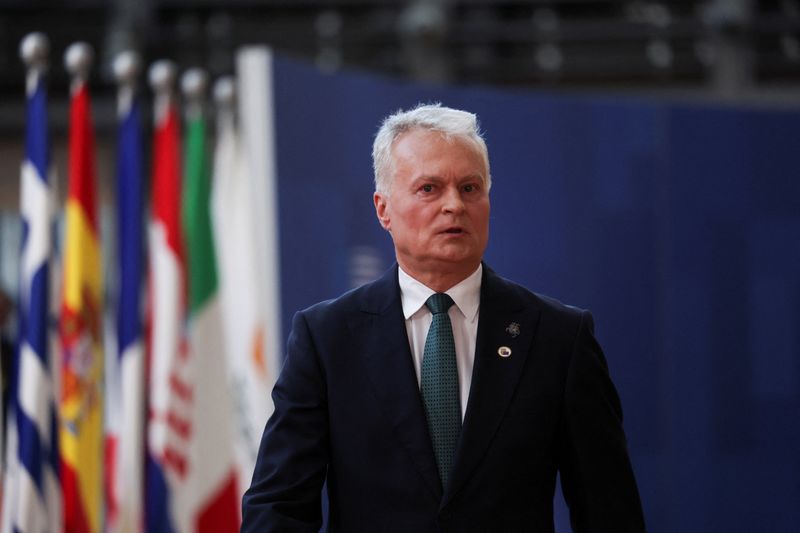
Lithuania Considers Hosting NATO Nukes: Europe Shifts
Lithuania considers hosting NATO nuclear weapons, repealing a ban amid Russian aggression. This bold move reshapes Europe's security and global deterrence.

POLICY WIRE — Vilnius, Lithuania — When did the unthinkable become just another Monday morning headline? That’s what you might be asking yourself after catching wind of Lithuania’s latest gambit. A country, small by most metrics but mighty in historical grievances and geostrategic savvy, is openly discussing the repeal of a self-imposed prohibition on nuclear weapons deployment. It’s a bold move. A stark one, really.
It isn’t about acquiring warheads themselves, mind you. No, it’s about making space for someone else’s. Specifically, those belonging to NATO allies. They’re eyeing an end to the ban, — and they’re doing it with a directness that belies the enormity of the shift. This isn’t abstract diplomacy; it’s hardball in the truest sense. For decades, Europe’s Eastern Flank has relied on conventional deterrence, coupled with the distant rumble of NATO’s nuclear umbrella. Now, Vilnius appears ready to pull that umbrella a lot closer, if not literally plant the whole damn arsenal in its backyard. And who could blame ’em? Not with what’s going on just across the border, eh?
The reasoning, as put forward by folks in the know, is chillingly simple: the ‘situation getting worse’. Just three words, but they pack a punch like a brass knuckled fist. It’s a statement that hints at a rapidly eroding sense of security, a collective shiver down the spine of the Baltic states. They’ve seen this movie before, or at least one much like it. And they don’t want a repeat. This isn’t just bureaucratic musing; it’s a direct consequence of Russia’s prolonged, ugly tantrum in Ukraine. The Baltic region, nestled precariously beside that colossal neighbor, finds itself in an ever-tighter squeeze. It’s an undeniable pressure cooker over there.
Because frankly, conventional means feel a bit… thin. The argument boils down to this: if we can host these strategic assets, if we can welcome them, then we become a harder nut to crack. It’s a calculated escalation, a chess move designed to throw cold water on any hot-headed ambitions from Moscow. Think about it. The last time Europe seriously considered such forward deployment, the Cold War was still very much a thing, thick as fog. Now, here we’re again, staring down a similar barrel, only with new actors and —some would argue— even higher stakes. It’s enough to make you feel like we haven’t learned a damn thing from history.
This whole maneuver isn’t happening in a vacuum, you know. There’s a big, uncomfortable discussion rumbling throughout NATO. Member states are grappling with increased defense spending (a recent NATO report indicated that nearly two-thirds of member nations are now meeting or exceeding the 2% of GDP defense spending target, according to official figures released in February this year, up significantly from a decade prior). They’re talking about military modernization and, yes, about nuclear posture. The sheer nerve of it — of questioning a ban, of openly inviting the possibility— that’s the real story here. It’s not about nukes suddenly appearing in Lithuania overnight. It’s about the psychological shift, the very thought now being on the table, debated in committees — and hushed hallways.
But consider the ripple effect. If one country opts out of a long-standing prohibition, what then? Where does it stop? It’s not just a European problem. For nations like Pakistan, long operating within a unique strategic landscape balancing conventional and nuclear deterrence against India, this European development can’t help but register. Their security doctrine is intricately linked to regional threats, perceived or otherwise. The specter of further nuclear proliferation—or even just a loosening of the taboo—could embolden arguments for similar re-evaluations elsewhere. One can easily imagine conversations in Islamabad, Lahore, or Karachi about how such a move by a distant European state might adjust global norms and, by extension, impact their own neighborhood’s precarious balance.
📄 POLICY WIRE WHITEPAPER PUBLISHED: PAKISTAN'S NATIONAL SECURITY POLICY PRIORITIES
👉 READ BY CLICKING HEREIt’s all part of the big, scary global game. You don’t just see this kind of shift without a major external push. Russia’s renewed aggression is undoubtedly that push. They’ve jolted everyone awake. And Lithuania, by even bringing this up, is saying loud and clear, [QUOTE_PLACEHOLDER] meaning we’re not waiting around for a handshake and a prayer anymore. They’re making darn sure their security isn’t just a talking point, but something tangible, even if it sends shivers down the spine.
It begs a question, doesn’t it? Is this pragmatic defense, or a slide down a slippery slope towards a more dangerous continent, indeed, a more dangerous world? You could argue it’s both. History’s often funny that way—circular, brutal, and rarely neat. But they’re making their position clear, regardless of global optics. They aren’t trying to make friends everywhere. They’re trying to stay safe. They’re essentially saying, [QUOTE_PLACEHOLDER] no matter how much you fuss about it.
What This Means
Lithuania’s overt consideration of ditching its nuclear weapon ban signals a significant recalibration of security priorities on NATO’s eastern edge. Economically, this move, if it materializes, implies a deepened reliance on collective defense, potentially freeing up some national conventional defense expenditure (at least in theory) for other critical sectors, though the immediate cost of hosting such assets could be substantial. It’s a risky calculation. Politically, it dramatically ratchets up tensions with Moscow, erasing another thin veneer of post-Cold War stability. This isn’t just about Lithuania. It’s about signaling to Russia—and indeed to other nervous NATO members like Poland—that the alliance is serious, deadly serious, about deterrence. It could spur similar considerations across the alliance’s front-line states. For the wider international community, it adds another layer to the already complex non-proliferation debate, potentially providing grist for those in non-nuclear states arguing for their own right to explore nuclear options or, at least, host allied ones. And as we see such discussions erupt in Europe, the old arguments for strategic parity among nuclear powers in regions like South Asia will undoubtedly be revisited with fresh urgency. Expect a diplomatic earthquake, folks. An unholy ruckus.