


Albuquerque Demolition: City Takes Over, Owner Sues
Albuquerque's city-led demolition of a downtown landmark leads to a lawsuit. Investigate the implications for urban policy, property rights, and municipal power.

POLICY WIRE — Albuquerque, United States — A whiff of green chile, sometimes, is all that anchors memory in a place undergoing seismic shifts. Downtown Albuquerque, once a vibrant artery, often feels like a sprawling construction site, or a perpetual state of becoming—and un-becoming. Amidst the usual symphony of jackhammers — and municipal announcements, a different, more somber chord struck this week. It wasn’t just an old structure making way for new; it was a testament to where unchecked private enterprise sometimes falters, and where municipal might—even with the best intentions—comes crashing down on personal livelihoods.
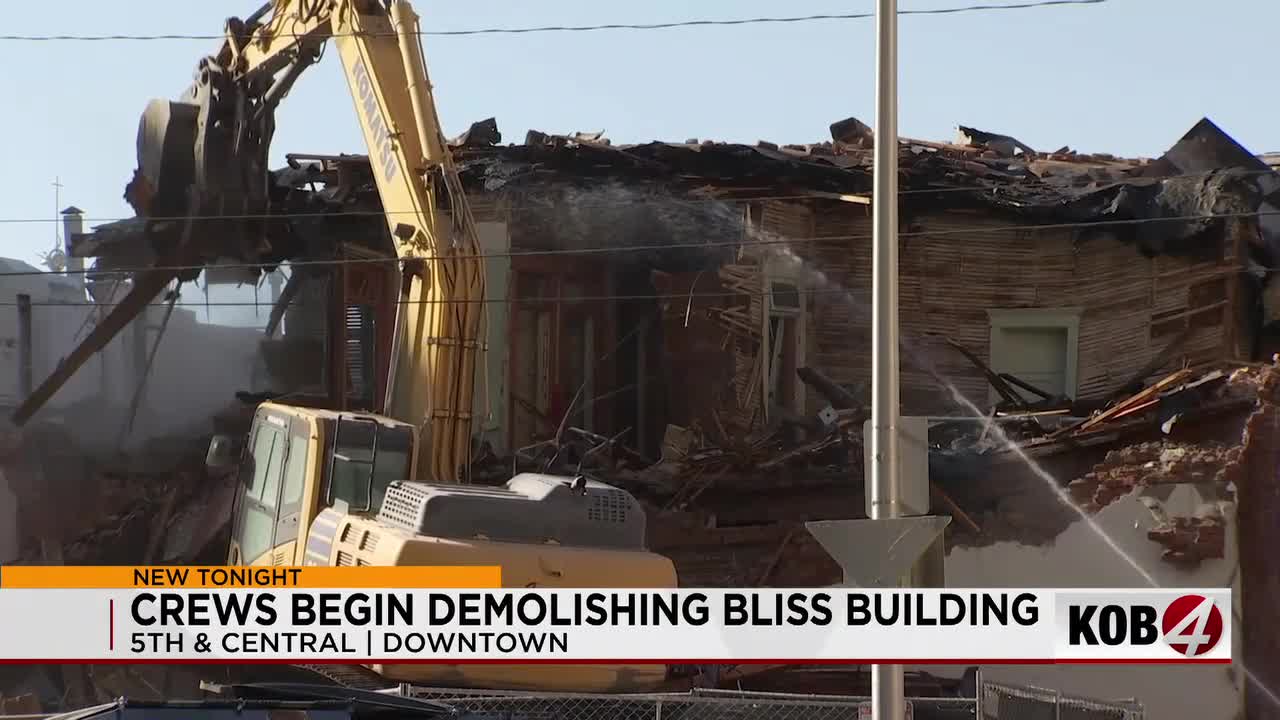
No grand ceremony accompanied the crew’s methodical assault on the Bliss Building, a longtime landmark and erstwhile home to Lindy’s Diner. But what played out on the dusty streets was a stark illustration of public policy asserting its absolute authority, particularly when a private venture collapses under its own weight, or lack thereof. The city of Albuquerque, they’ve confirmed, didn’t just observe the spectacle. They bought a front-row seat, then took control of the wrecking ball themselves—a significant escalation from typical municipal oversight. It’s never simple when government hands muscle in; it hardly ever is. [QUOTE_PLACEHOLDER]
But how did it even get to this? For months, local tongues had wagged about the fate of the old diner, the rumors of disrepair, the whispers of financial woes. We’ve seen similar tales unfold in bustling Karachi, where heritage structures, facing both neglect and the relentless march of commercialization, often end up as contentious rubble. It’s a recurring drama in urban centers worldwide, from Santa Fe to Lahore: property owners, caught between mounting repair costs and insufficient funds, become entangled in bureaucratic red tape until a governmental hammer ultimately falls.
City leaders, when pressed, explained their intervention, asserting they stepped in after a private plan by the owners fell apart. It’s an almost boilerplate statement, isn’t it? The public interest. Safety concerns. All very reasonable, all very administrative. Owners, however, often perceive these events through a far less clinical lens. For them, it’s rarely about just a building; it’s about a legacy, a dream, a retirement plan—the whole kit and kaboodle.
And then there’s the money, always the money. The proprietor, Dawn Vatoseow, made it abundantly clear, leaving no room for nuance, or pleasantries for that matter. Her words cut right to the quick, laying bare the brutal financial realities at play: The city was well aware of the fact that I didn’t have $400,000 to do the demo, and I was depending on the money from State Farm to facilitate that demolition.
This isn’t just about structural integrity; it’s a profound failure of financial foresight, communication, and ultimately, a breakdown of trust between private enterprise and its institutional safety nets. One has to wonder: where was State Farm in all this? A building project of this nature, whether repair or demolition, can easily cost north of $500,000 in major U.S. cities, sometimes more for complex or hazardous sites—making that figure not unusual, but nonetheless prohibitive for an individual.
The owners, in a move that’s become as predictable as sunrise in this high desert city, aren’t taking this lying down. They’re filing a lawsuit against the city — and their insurance company. A double-barreled legal challenge; that tells you just how much contention is swirling around this single pile of bricks and rebar. This isn’t a quick fight; it’s a long, grinding war of attrition in the courts, with reputations, taxpayer dollars, and shattered ambitions on the line. It’s the sort of high-stakes legal chess that we see echoing in other regional capitals, whether in Dhaka’s congested alleys or Bangalore’s tech hubs, when municipal expansion brushes up against long-standing private rights.
Because the demolition continues, closures at Fifth — and Central will stay in place because of safety concerns. Pedestrian traffic, vehicle access—all suspended, further aggravating downtown commerce and daily commutes. But then, who expects an active demolition to be convenient? Central is expected to reopen by July 15. For now, though, the dust lingers, and so too will the legal fallout from what happens when a city decides it’s simply had enough. The reverberations, you can bet, will be felt far longer than the roar of the excavators.
What This Means
This Albuquerque demolition isn’t just local news; it’s a case study in the increasingly tangled web of urban policy and property rights. The city’s aggressive takeover of a demolition project, citing public safety after a private plan implodes, sets a powerful precedent. It showcases a municipality willing to bypass traditional regulatory pathways to enforce its will—or, at least, expedite what it perceives as an urgent public need. For small business owners and commercial property holders nationwide, it’s a stark reminder: when economic currents shift, or insurance payouts falter, the state can and will step in, often with an iron fist.
Economically, this suggests a municipal willingness to absorb demolition costs directly, perhaps to kickstart urban renewal, or prevent derelict properties from dragging down property values. But this direct intervention isn’t free. Taxpayer funds will now cover expenses that, in an ideal world, would be settled between property owner — and insurer. The ensuing lawsuit, however, introduces layers of uncertainty. It could tie up city resources for years, challenging the limits of eminent domain principles (even if indirectly applied) and potentially redefining municipal liability in such scenarios. We saw a similar dynamic unfold during Cleveland’s redevelopment controversies, where policy decisions became entrenched in protracted legal battles. Politically, the situation is a double-edged sword: leaders can boast decisiveness on public safety, but also risk accusations of overreach and infringing on private sector autonomy. The fallout from this isn’t just about a pile of rubble; it’s about the future relationship between individuals, their assets, and the ever-expanding authority of local governance in urban landscapes that refuse to stay still.