

Albuquerque: Craft Beer, Runs & Commodified Identity
Albuquerque's "Lager Jogger" blends craft beer & cardio. Uncover how cities commodify urban identity, market experiences, and shape public discourse through such events.

POLICY WIRE — Albuquerque, New Mexico — It’s an unlikely marriage: the frothy embrace of a craft brew and the relentless pounding of feet on pavement. Yet, in Albuquerque, this peculiar union isn’t merely tolerated; it’s celebrated, packaged, and pitched as the latest civic virtue. You see it everywhere now, this blurring of lines between wellness and indulgence, public spaces and corporate sponsorship. A city touting its pedestrian-friendly lanes one moment, its vibrant microbrew scene the next, then — behold — a seamless fusion of the two. It kinda makes you wonder who’s actually running the show, doesn’t it?
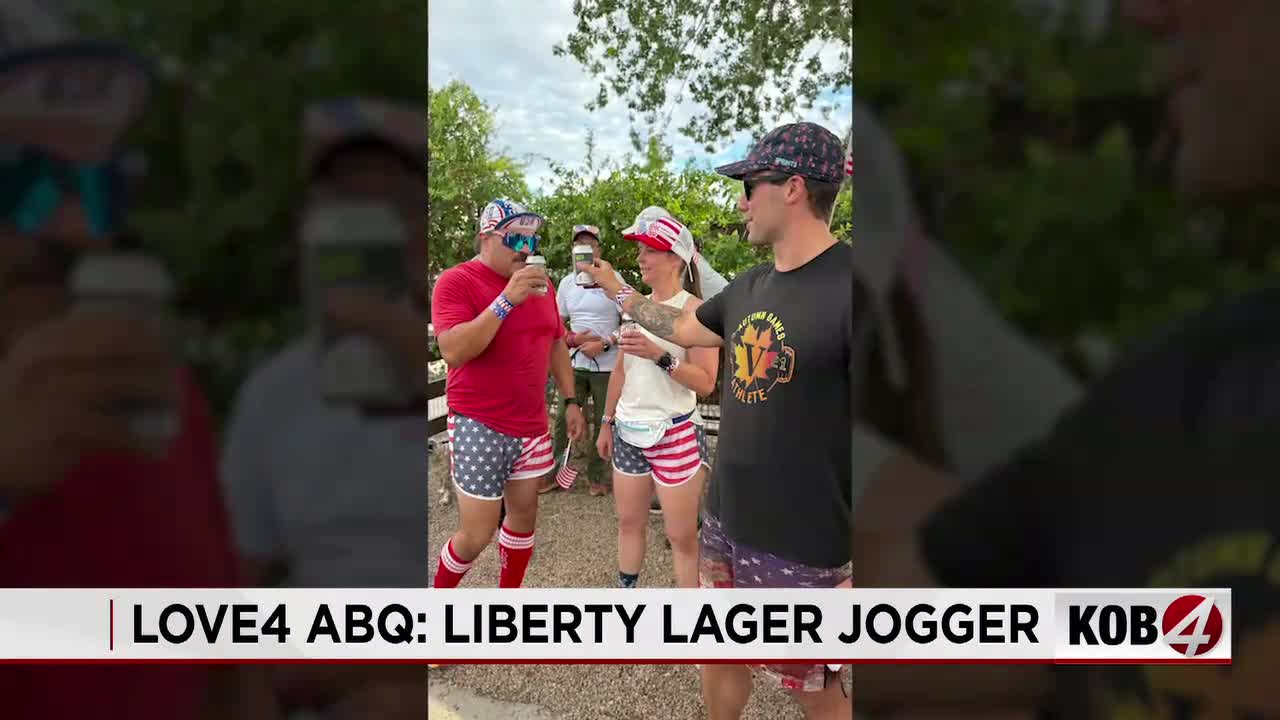
For some, this synergy is simply good, clean fun—maybe a little sudsy too. But peel back the slick marketing layers of what locals have dubbed the Liberty Lager Jogger, and you’ll find a fascinating petri dish of modern urban living. We’re talking about an event that, in its very essence, attempts to conflate physical exertion with libational reward. It’s marketing; sure, that’s obvious. But it’s also a powerful cultural artifact, a tangible representation of how America’s cities now craft identity—or at least, how they sell it to themselves and potential tourists.
The city’s tourism arm, Visit Albuquerque, clearly understands the game. They’ve recognized the sweet spot where active lifestyles intersect with the burgeoning craft beer industry, pulling in what they’ve identified as two distinct archetypes: beer lovers and joggers. It’s an astute observation, certainly, but it’s also an artificial division. Most folks aren’t just one or the other. They’re more complex. They contain multitudes—or at least, multiple consumption habits. The fact that an entire campaign, described as Love 4 ABQ, can coalesce around such a narrow demographic snapshot tells you everything you need to know about contemporary consumer segmentation. They want to get your attention, — and they’ll slice and dice data to figure out exactly how to do it.
Jana Everett from Canteen Brewhouse even appeared in studio to talk about the Liberty Lager Jogger. And this sort of seamless integration—between local business, municipal promotion, and news-adjacent media content (presented as it was, as if it were informational rather than promotional, on KOB.com)—becomes the new normal. It isn’t exactly breaking news, mind you. It’s a trend that’s solidified over years, with local media increasingly acting as a megaphone for commercial interests in the guise of community interest pieces. It’s a symbiotic relationship, perhaps, but one where the public’s best interests aren’t always front — and center. You’d think a newscast would focus on, well, news. Instead, we watch the video above for the full interview. That’s just how it’s these days, folks.
But the political undercurrents here are subtle, not always shouted from rooftops. Think about the concept of [QUOTE_PLACEHOLDER] appended to a lager, paired with physical activity. It’s not accidental. In an era where freedom and choice are debated across everything from personal healthcare to voting rights, the term becomes — sometimes ironically — a potent, albeit saccharine, marketing tool. It suggests agency, enjoyment, — and a quintessentially American pursuit of happiness, one pint and one mile at a time. It’s a sanitized vision of civic engagement, devoid of messy policy debates or contentious urban planning dilemmas.
Meanwhile, across the globe, cities in places like Karachi or Lahore grapple with decidedly different urban challenges. While Albuquerque is orchestrating jogging-and-beer events, Pakistan’s mega-cities contend with explosive population growth, critical infrastructure deficits, and staggering environmental pressures. Karachi, for instance, houses over 16 million people, experiencing some of the most rapid urbanization in South Asia. Its residents aren’t typically concerned with bespoke craft lager jogs but with consistent access to clean water, reliable transport, and breathable air. That disparity—between leisure as civic pride in one corner of the world and survival as daily triumph in another—is stark. And it certainly offers a telling counterpoint to Albuquerque’s particular brand of curated community.
It’s also worth considering the larger economic context. Events like these rely on a segment of the population with disposable income — and leisure time. According to the Bureau of Labor Statistics, Americans spent, on average, [QUOTE_PLACEHOLDER] approximately 4.7 percent of their annual income on food away from home and alcoholic beverages in 2022. While seemingly modest, this statistic underpins the entire experience economy, allowing for the existence of microbreweries, fitness gear, and niche events combining the two. Without that economic cushion, without that sliver of discretionary spending, the whole carefully constructed edifice of leisure marketing crumbles.
And so, the Liberty Lager Jogger isn’t just an ad. It’s a miniature performance of modern consumer-driven urban identity. It’s a statement on who gets to participate in a city’s public life, what activities are deemed valuable, and how those activities are commodified. We don’t just jog anymore; we ‘lager jog.’ We don’t just drink beer; we drink ‘liberty lager.’ This subtle shift in nomenclature speaks volumes about where our priorities are, and perhaps, where they’re being gently steered. The digital landscape, too, is rife with similar constructs.
What This Means
This Albuquerque initiative, superficially a benign celebration of local enterprise and healthy activity, signals deeper shifts in urban policy and economic strategy. Firstly, it underscores the continued dominance of the experience economy. Cities aren’t just places to live or work; they’re curated brands offering specific lifestyle narratives. This necessitates public-private partnerships, often with media endorsement, that blur ethical lines — and priorities. Policymakers, whether they realize it or not, are implicitly sanctioning a model where commercial entities shape the urban cultural landscape, often under the guise of ‘community building.’ This isn’t inherently nefarious, but it certainly reorients public discourse around consumption rather than, say, housing affordability or public education.
Economically, it reveals a hyper-segmentation approach targeting niche, yet affluent, consumer groups. The focus on beer lovers and joggers isn’t about universal appeal; it’s about optimizing return on investment from a specific demographic that has both the means and inclination for such events. For municipalities, this offers a relatively low-cost way to generate positive PR and potential tourist dollars without addressing more fundamental, often intractable, urban issues. It’s a shiny object. But it’s also a reflection of a wider socio-economic stratification, where access to such ‘lifestyle’ amenities becomes a quiet marker of privilege. as cities become increasingly homogenous in their pursuit of this ‘experience’ branding, what’s truly unique about places like Albuquerque starts to get diluted. It feels very familiar, not terribly distinct. Like many other places, the desire to escape mundane realities through sport — and leisure is a global phenomenon. And sometimes, one has to wonder, just how fleeting is this euphoria from larger realities?