


Albuquerque Dentist Fined $320K for Illegal Practice
An Albuquerque dentist was fined $320,000 for years of illegal practice and prescribing after his license was revoked. Discover the implications for healthcare regulation and public trust.

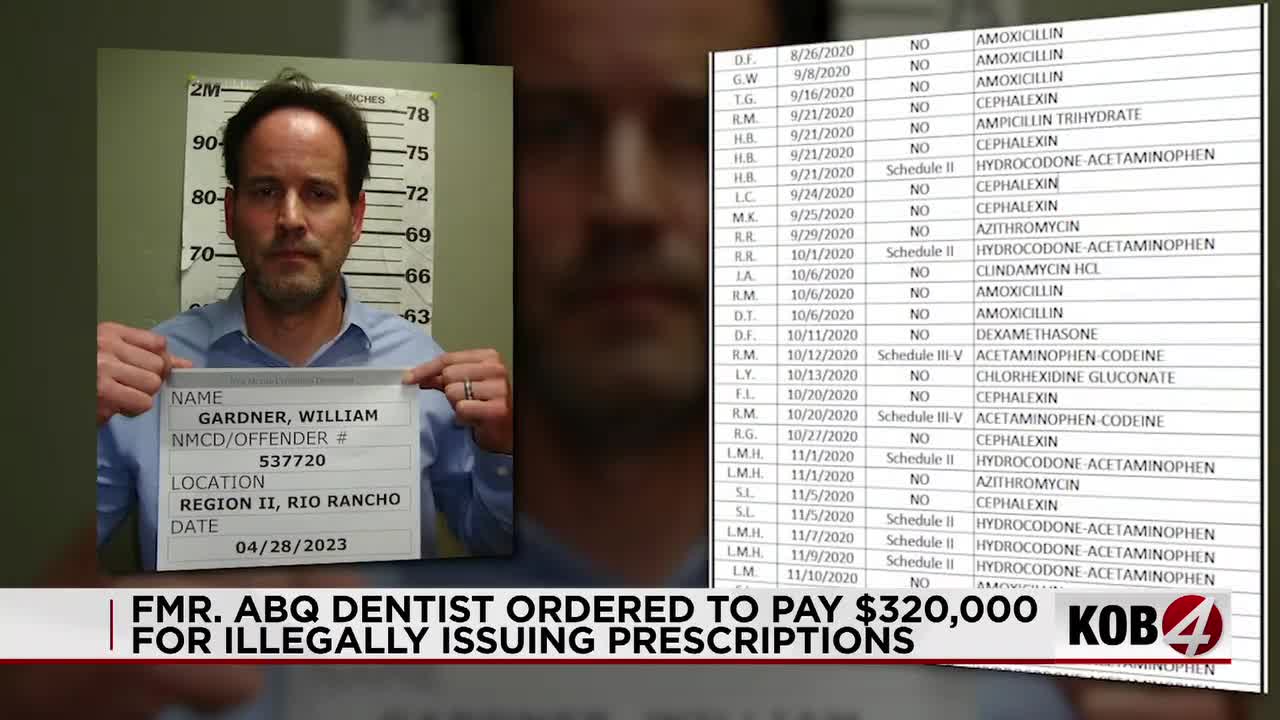
POLICY WIRE — Albuquerque, United States — It isn’t often that a saga spanning years culminates in a sum that precisely calculates the cost of defiance. But for one former dentist in New Mexico, that day’s finally arrived. A federal court just put a price tag — $320,000 — on a career marked by relentless disregard for professional boundaries and legal strictures. It’s a sum meticulously tallied, one illegal prescription at a time, pointing to a much bigger mess than just one rogue practitioner.
William Gardner, formerly a licensed dentist in Albuquerque, didn’t just bend the rules; he seems to have actively snapped ’em in two, then gone right back to business. His troubles began — publicly, at least — way back in 2019 when the New Mexico Board of Dental Health Care did its thing. It suspended his dentistry license, a big deal, — and later, the board revoked it outright. You’d think that’d be a clear sign to pack it in, right? But folks like Gardner, they’ve got a different kind of operating manual. This revocation — you get it — meant he also lost the legal ability to prescribe drugs. Sounds straightforward enough. [QUOTE_PLACEHOLDER]
Only, it wasn’t. Gardner, apparently, found these little setbacks more like suggestions. Despite losing his license, the former practitioner continued to operate in some capacity, peddling out prescriptions he had absolutely no business writing. It wasn’t a one-off error or a forgotten renewal. The federal court now ordered him to pay $4,000 for each of the 80 illegal prescriptions he wrote. That’s a quarter-million bucks, give or take, just for playing doctor without the papers.
It gets worse. Gardner, as it turns out, was no stranger to legal troubles even before this. There’s his current state probation, for instance. And what for? Oh, just for tax fraud — and practicing without a license. It’s like a Greatest Hits album of white-collar malfeasance. It truly begs the question of how many times a system has to clang shut before someone like this finally takes the hint. And, how many patients — genuinely seeking care — might have been caught in the undertow of this chap’s continuous charade?
The implications of such brazen disregard for regulatory authority reach far beyond the American southwest. Think about the bustling informal markets — and sometimes porous oversight in places like Pakistan or across South Asia. In Karachi, for example, cases of unregistered medical practitioners or those operating with dubious credentials aren’t just isolated incidents; they’re an everyday reality in some neighborhoods. The consequences — ranging from severe public health risks due to misdiagnosis and unregulated medications to the erosion of trust in the healthcare system — echo concerns we see closer to home, albeit often magnified by socioeconomic disparities and sheer population density. A system’s integrity, whether in Albuquerque or Peshawar, is constantly challenged by individuals who prioritize personal gain over collective well-being.
But back to our local antagonist. This isn’t just about the money, though $320,000 is hardly pocket change for most of us. It’s about the deliberate chipping away at public trust — the understanding that when you visit a professional, they’ve actually earned their stripes. Gardner’s story highlights the exasperating endurance required by state and federal investigators to rein in persistent offenders, who seem to have a playbook for exploiting every possible loophole and delay tactic. These aren’t just legal battles; they’re tests of administrative will against audacious individual recalcitrance. And believe me, these protracted sagas — full of investigations and revocations and more investigations — wear everyone thin. Yet, it’s gotta be done.
Because frankly, what’s the alternative? A Wild West of unlicensed medical procedures — and unverified prescriptions? No thank you. We’re better than that. It’s a sobering reminder that eternal vigilance — from the authorities, from the public, and even from the professional bodies themselves — isn’t some dusty proverb; it’s the active work required to keep these frameworks from crumbling. The federal court’s judgment is a clear marker in this long game.
What This Means
This penalty against Gardner isn’t just a legal victory; it’s a stark spotlight on the enduring challenges of regulatory enforcement in modern healthcare. Politically, it signals a renewed, perhaps aggressive, federal stance against white-collar medical fraud, pushing accountability higher up the scale even for individual practitioners. Economically, the sheer volume of penalties — tied directly to individual actions — serves as a clear disincentive for others who might consider operating outside the established channels. It’s about preserving the fiscal integrity of healthcare systems — and preventing illicit drug flows. This kind of action, when visible, reinforces consumer confidence (to a degree) and demonstrates that, eventually, the state’s long arm of the law does catch up. It also means increased scrutiny for professional boards, like the New Mexico Board of Dental Health Care, asking why individuals can so readily flout their mandates, even after license revocation. This persistent issue might lead to legislative efforts to empower regulatory bodies with more immediate enforcement mechanisms or harsher pre-emptive penalties, potentially reshaping how easily bad actors can continue practicing without proper credentials or oversight. The ripples of such a case extend to discussions about malpractice insurance, public reporting requirements, and even the efficacy of inter-agency data sharing on rogue professionals.