

The Curious Case of Eileen the Queen: Mascot Diplomacy in Albuquerque
POLICY WIRE — Albuquerque, N.M. — It wasn’t the grim realities of veteran suicides or the ever-present funding gaps for service members’ families that captured attention this week in...

POLICY WIRE — Albuquerque, N.M. — It wasn’t the grim realities of veteran suicides or the ever-present funding gaps for service members’ families that captured attention this week in Albuquerque. It wasn’t even another debate over municipal spending priorities at Dolores Huerta Park. Instead, an unblinking goat, draped in star-spangled regalia, found herself — or so it appeared—at the fulcrum of community engagement and remembrance. Sometimes, the most telling signals come not from policy white papers but from an unexpected hoof print in the civic discourse.
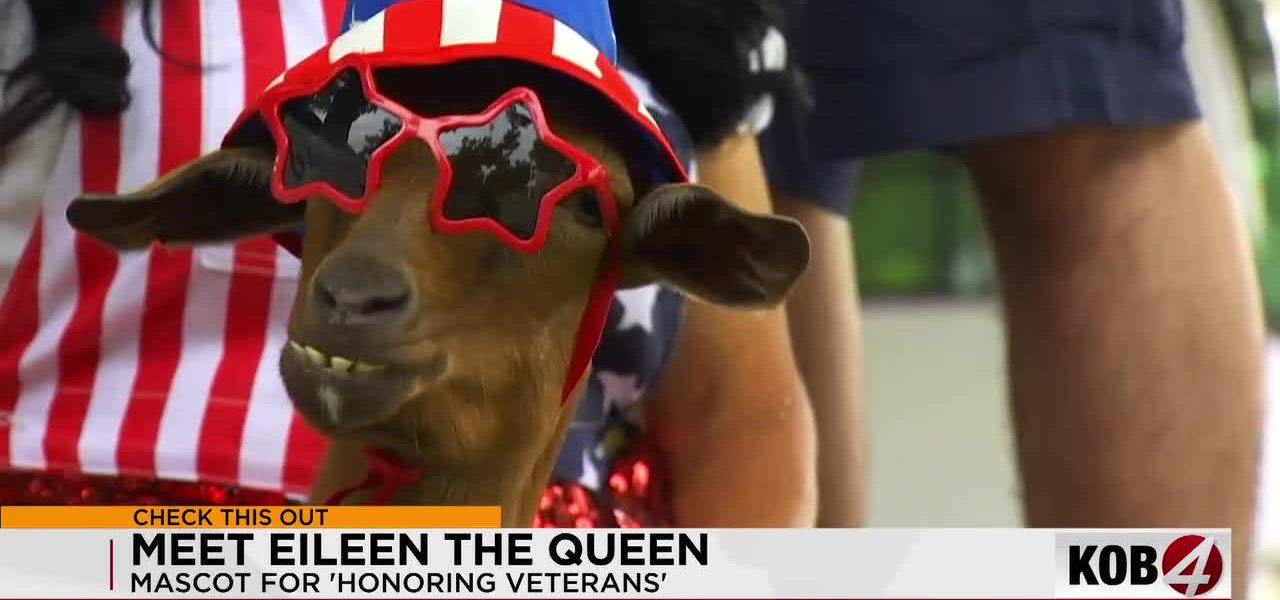
Eileen the Queen, a creature of unassuming origin but undeniable charm, isn’t just any farm animal. She’s a mascot, designated by the South Valley’s Honoring Veterans group, and she made quite the impression at a recent planning meeting. But this wasn’t some petting zoo diversion; it was, in its own peculiar way, a testament to the lengths—and occasionally the quirks—of a community trying to reckon with the profound cost of service. One might argue it’s a starkly American phenomenon, this blend of deep solemnity and charming, almost folksy, pragmatism.
The group had gathered to hash out the details for an upcoming memorial event. The mission is simple enough, though its execution is anything but: provide free support to families after a veteran dies. Think about that for a second. In a nation that sends its young men and women to distant, often brutal, corners of the globe, the necessity for a volunteer organization to pick up the pieces, free of charge, speaks volumes. But here, amidst the earnest discussions, was Eileen, a silent observer in star-spangled glasses, almost as if to remind attendees that the solemn work can, and often must, coexist with moments of unusual levity.
Her handler, Angela Ibuado, referred to as Eileen the Queen’s mother, provided some historical context, pointing out, word for word, [QUOTE_PLACEHOLDER] This lineage, connecting a live animal to naval traditions stretching back centuries, adds an intriguing layer. It isn’t just arbitrary cuteness; it’s rooted in seafaring history, a functional companion evolving into a symbolic one. The current Navy mascot, a goat named Billy, is a direct descendant of these early, shipboard compatriots. And before you ask—don’t worry, they confirmed: No one will be eating Eileen.
But the presence of Eileen isn’t merely a quaint detail; it hints at a deeper narrative regarding how societies grapple with collective trauma and the burdens of national defense. Why a goat? Perhaps because a goat is a simpler, more innocent figure, an accessible symbol of perseverance — and utility. Maybe she cuts through the institutional language, the stiff pronouncements, and the often-abstract notions of service and sacrifice. But sometimes, these symbols, as charming as they’re, can unintentionally obscure the persistent challenges faced by those who’ve served. The need for a local, voluntary group to provide grief counseling or funeral arrangements suggests that the formal support structures sometimes miss crucial aspects of post-service life. Or, frankly, just aren’t enough.
Consider the stark numbers: the U.S. Department of Veterans Affairs reported in 2023 that 6,392 veterans died by suicide in 2021. This isn’t just a statistic; it’s a national scar, and organizations like Honoring Veterans are often on the front lines, quietly mitigating a crisis that extends far beyond the battlefield. But the weight of this responsibility isn’t solely for local groups to shoulder. Governments — and broader society must acknowledge these ongoing battles. But it isn’t always easy. But then again, maybe Eileen helps people face these tough conversations, makes them a little more approachable.
📄 POLICY WIRE WHITEPAPER PUBLISHED: PAKISTAN'S NATIONAL SECURITY POLICY PRIORITIES
👉 READ BY CLICKING HEREWhat This Means
Eileen the Queen, trotting into a veteran’s meeting in Albuquerque, offers a quirky yet potent lens into the politics of remembrance and support for military families. On one hand, her presence highlights the deep human need for symbolic comfort and connection—a way to bridge the somber gravitas of loss with an approachable, almost familial, presence. And it’s effective; people are talking about this small group. The media is, you know, reporting on it.
However, this lighthearted interlude also shines an uncomfortable light on structural shortcomings. The fact that a volunteer organization exists solely to provide free assistance to veteran families after a death suggests a significant gap in government provisions. We expect these families to navigate unimaginable grief, often alongside unexpected financial strain, and yet a local non-profit—not a robust state or federal program—is the one stepping in to ensure they don’t do it alone. It’s a testament to local initiative, yes, but also an indictment of what’s perceived as insufficient, bureaucratic support systems that leave citizens and their fallen heroes vulnerable.
Globally, the use of animals as mascots, especially goats, carries a different weight in regions like Pakistan and other parts of the Muslim world. There, goats aren’t just mascots; they’re central to cultural practices — and economies. They’re often linked to notions of sacrifice, especially during Eid al-Adha, a profound religious observation commemorating Prophet Ibrahim’s willingness to sacrifice his son. In this context, a goat might embody religious devotion, purity, or communal sharing, rather than purely military tradition. This cross-cultural juxtaposition—Eileen the Queen as a quirky American mascot versus the solemn significance of a goat in, say, an army cantonment near Peshawar—underscores how even a humble animal can be imbued with vastly different, yet equally powerful, symbolic meanings depending on the cultural and political landscape. It highlights the nuanced global language of tradition — and remembrance.
From an economic standpoint, the story isn’t about Eileen’s market value, but the often-invisible economic burden on grieving families. Groups like Honoring Veterans fill a market failure, a service needed but not adequately provided by public or private sectors. Their work frees up resources for families at a time of desperate need, representing an unsung, vital, local safety net. But as Policy Wire has noted in discussions regarding Albuquerque’s broader infrastructural strains, community groups can only stretch so far before external, systemic support becomes truly unavoidable.