


Sudan: Cooper’s Plea Exposes Diplomatic Inertia
Yvette Cooper's plea for Sudan reveals persistent diplomatic failures ahead of a UN session. Uncover the dire humanitarian crisis and global governance's shortcomings.

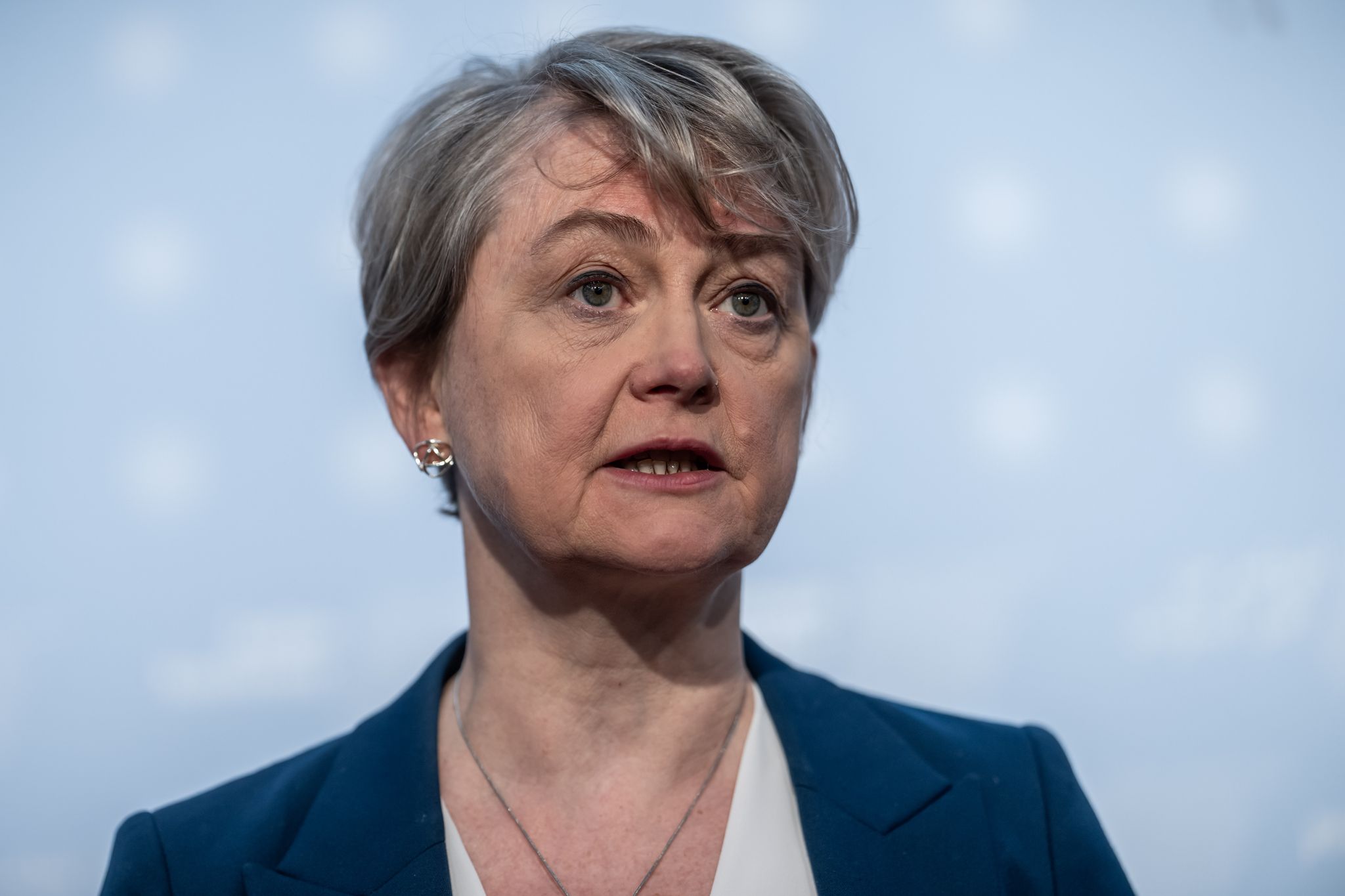
POLICY WIRE — London, UK — The well-worn rhythm of international diplomacy played out again this week, though with decidedly less fanfare than a state visit or a G7 communique. Yvette Cooper, the UK’s Shadow Home Secretary, extended the latest in a long line of pleas concerning Sudan, timing her intervention just as the United Nations prepared yet another deliberation on the conflict-riddled nation. It wasn’t a fresh policy unveiling, nor a dramatic revelation, but rather a somber, familiar call to cease fire—a testament, perhaps, to the enduring tragedy that’s Sudan, and the predictable churn of global response.
It’s almost theatrical, isn’t it? The pronouncements, the hand-wringing, all before the inevitable discussions within marble halls. Cooper’s latest broadside, while undeniably earnest in its underlying sentiment, arrives against a backdrop of deeply entrenched suffering. We’ve seen this cycle before, a pattern that barely shifts—calls for calm, condemnations, promises of humanitarian aid. But the on-the-ground reality in Khartoum and beyond remains brutally stark, refusing to conform to the neat schedules of international political theater.
Her statement, preceding what many anticipate will be another UN debate grappling with intractable issues, focused—as it had to—on the relentless violence that’s displaced millions. What’s often lost in these high-level pronouncements is the sheer, brutal granularity of the daily struggle: the fleeing families, the ransacked homes, the deliberate destruction of civilian infrastructure. For months, aid agencies have reported an escalating humanitarian crisis. [QUOTE_PLACEHOLDER], according to Cooper’s office, encapsulating the pervasive despair that demands an end.
The conflict isn’t just a regional headache; it’s a global blight. Its reverberations aren’t contained by arbitrary borders. Instability in a country like Sudan sends ripples across the Horn of Africa, influencing migration patterns and challenging international security doctrines. It affects the stability of major sea lanes in the Red Sea, impacting global trade and creating new havens for nefarious actors. We’ve observed similar dynamics play out in places like Afghanistan, where internal strife became an exportable commodity of chaos. And countries with substantial Muslim populations, such as Pakistan, watch with a keen eye—not just for humanitarian reasons, but also for the broader implications on global Muslim unity and geopolitical balance.
For Pakistan, a nation already navigating complex domestic and regional challenges—see Delhi’s Delicate Balance for a broader view—the plight of Sudan represents yet another critical test of the international community’s effectiveness. But it’s not just about distant solidarity; it’s about precedent. How the world responds to prolonged internal conflict in a significant Muslim-majority nation sets benchmarks for other, potentially simmering regions. And that, my friends, is why it’s never just ‘just another’ humanitarian crisis.
But the real test, of course, isn’t the strength of the statements issued from parliamentary offices; it’s what actually changes on the dusty, blood-soaked streets of Sudan. What steps follow these earnest declarations? UN agencies have warned repeatedly that more than 25 million Sudanese—over half the population—require humanitarian assistance. That’s a staggering, chilling figure, according to reports from the UN Office for the Coordination of Humanitarian Affairs (OCHA).
And so, while Ms. Cooper articulates what she’s been calling for for some time now—[QUOTE_PLACEHOLDER]—the international community gears up for another round of debate. You’d think by now they’d have a better playbook. But then again, if they did, perhaps Cooper wouldn’t need to keep making the same essential points.
What This Means
Cooper’s reiteration of a demand for peace in Sudan, just prior to a key UN discussion, isn’t merely an act of political grandstanding; it’s a pointed reminder of diplomatic inertia. Her position as Shadow Home Secretary gives her statements a specific gravitas regarding human rights and security—topics deeply entwined with the Sudanese conflict. The repeated call underscores a persistent failure on the part of global powers to forge a sustainable resolution, and it suggests a growing frustration within UK political circles, even opposition ones, with the current diplomatic stasis.
Economically, prolonged instability in Sudan doesn’t just destroy its own economic potential; it acts as a significant drag on regional development. Displacement of millions strains resources in neighboring states—Egypt, Chad, South Sudan—and creates fertile ground for informal economies rooted in conflict. Politically, the UK’s stance, articulated through figures like Cooper, signals its commitment, albeit a familiar one, to upholding international norms. But without tangible pressure, without new avenues of engagement beyond resolutions and calls for ceasefire, these pronouncements risk becoming white noise. For South Asia and the broader Muslim world, the humanitarian plight and the slow international response can foster a sense of solidarity but also cynicism—questioning the efficacy and equity of global governance when it comes to crises in certain geographies. It’s a situation ripe for alternative diplomatic alignments to emerge, if traditional channels remain choked.