


India’s Geopolitical Chess: Japan, China, Autonomy
Japan's PM seeks India's alignment against China. Unpack Delhi's complex balancing act between strategic autonomy, economic ties, and Indo-Pacific security.

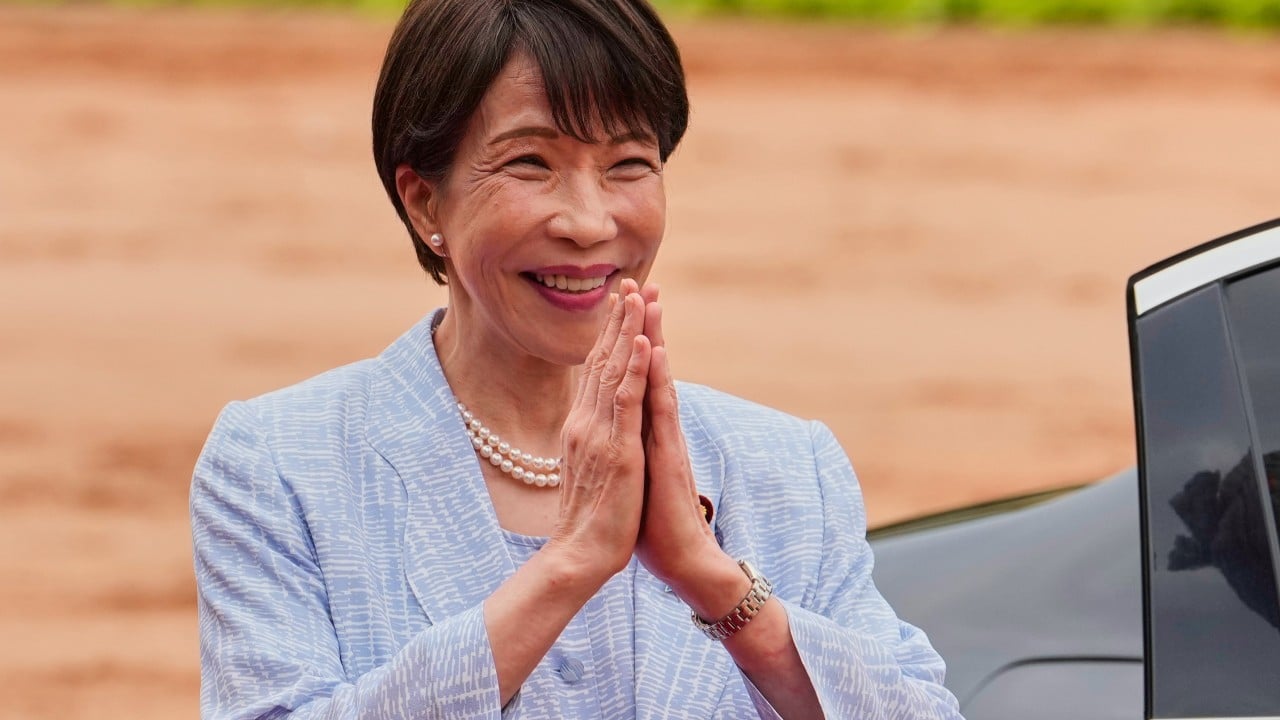
POLICY WIRE — DELHI, INDIA — The stale fragrance of jasmine and political ambition always seems to hang heavy in Delhi, particularly when a foreign dignitary comes calling. Japan’s Prime Minister Sanae Takaichi rolled into town this week, not merely for diplomatic niceties, but—let’s be honest—to nudge India further into Tokyo’s orbit against a common, silent adversary. You see, on the surface, it’s about friendship; underneath, it’s a high-stakes poker game played out across the Indo-Pacific chessboard.
It’s never that simple, though. Because for New Delhi, every alliance, every handshake, carries a ghost of its historical non-alignment, a whisper of its deeply ingrained strategic autonomy. Japan may have come for [QUOTE_PLACEHOLDER] as the narrative goes, but analysts say the bigger question is how far New Delhi is prepared to align with Tokyo’s China-focused Indo-Pacific strategy. And that, dear reader, is a truly weighty question.
The Prime Minister Takaichi held talks with her Indian counterpart, Narendra Modi, in Delhi on Thursday. It wasn’t just a brief chat, mind you—the full spread of geopolitical anxieties was laid out. Economic security, strategic cooperation — and collaboration on innovative technologies high on the agenda. One could almost feel the kinetic energy, the quiet maneuvering behind the smiles — and platitudes. Both nations share anxieties about supply chain resilience; they worry about dependencies. Japan, with its industrial might, wants stability; India, with its growing economic muscle and democratic credentials, wants leverage.
But India isn’t just another brick in an anti-China wall. Not even close. It’s a continent-sized nation with its own complex web of relationships and—let’s not forget—its own intractable border issues with China. They’ve got economic ties with Beijing that run deep, despite the skirmishes — and mutual distrust. To simply leap into a hard alliance against China would be to ignore decades of Indian foreign policy dogma. It’d be like asking a tiger to shed its stripes, impossible. New Delhi’s game isn’t about choosing sides cleanly; it’s about hedging bets, maximizing options, and preserving that ever-so-precious strategic wiggle room.
Consider the region—South Asia and the broader Muslim world. India’s actions resonate there, too. Pakistan, China’s almost-client state, watches closely. China has invested tens of billions into Pakistan through the China-Pakistan Economic Corridor (CPEC)—it’s a clear example of Beijing’s regional footprint. Any hardening of India-Japan strategic ties naturally alters this balance. It’s not just a bilateral affair between Tokyo and Delhi; it’s a ripple effect through countries like Bangladesh, Sri Lanka, and across the Gulf, where nations track shifting alliances with an eagle eye. They’re all looking for cues on future investments and security partnerships, trying to figure out which way the wind blows from the big regional players. Because sometimes, when the giants move, the ground trembles for everyone else.
It’s interesting to note, India’s import dependency on China, as reported by Reuters, hit a five-year high in 2023 at 15.4% of total imports. That’s a stark figure, telling you everything you need to know about the practical challenges of decoupling. India can’t just ditch China tomorrow. No, the approach has to be incremental, layered, subtle. And Takaichi’s visit—while it might push a few layers down—isn’t about an overnight paradigm shift. It’s a long game, played by patient people.
And let’s face it: while Tokyo’s diplomatic corps is eager to sell the benefits of closer alignment, the question is always: at what cost to India’s other relationships? Its energy imports from the Gulf, for instance, or its historically complex but firm ties with Russia for military hardware. All these considerations factor into New Delhi’s calculus. Japan wants a strong bulwark. India wants stronger strategic autonomy, thank you very much.
What This Means
This isn’t just some diplomatic photo op; it’s a critical maneuver in the intensifying competition for regional dominance. From a political standpoint, Takaichi’s visit signifies Japan’s growing confidence, even assertiveness, in its foreign policy, pushing hard to reshape the regional security architecture. It’s a direct challenge to Beijing’s growing influence, both militarily — and economically. But because India’s balancing act is so nuanced—they’re not looking for direct confrontation with China, just better deterrence—Tokyo must temper its expectations. Delhi simply won’t be stampeded into anything it perceives as detrimental to its broader interests, like say, inviting deeper Chinese antagonism at its borders while simultaneously trying to project global leadership.
Economically, the discussions around innovative technologies and economic security point to a larger trend: both nations are keen on building resilient, diversified supply chains that reduce reliance on China. We’re talking semiconductors, green tech, pharma—the works. This shift, if executed well, could generate significant opportunities for industries in both countries, creating new hubs for manufacturing and research. However, implementing such a grand vision requires overcoming bureaucratic hurdles, attracting massive private investment, and, perhaps most importantly, a consistent policy environment in both capitals. It’s an ambition that could alter global trade flows, but the path is full of potholes—and bureaucratic resistance.
The geopolitical upshot here? It’s not a clear win or a definite loss for any single party. Instead, it’s a complex adjustment of forces. Japan gains a stronger dialogue partner. India gets access to advanced Japanese tech — and investment without committing fully to a military bloc. China watches, calculates, and perhaps plots its next counter-move, possibly doubling down on its engagement with Pakistan and other Belt and Road nations to encircle the very nations attempting to contain it. The Indo-Pacific isn’t becoming a clear battleground yet. No, it’s turning into something far more intricate: a geopolitical chess match where every move has three, four, even five unseen consequences.