


Andalusia’s Rightward Shift: Vox Reshapes Spain
A far-right pact in Andalusia pushes Spain right, echoing 'Al-Andalus' history. Discover how Vox's rise reshapes Spanish identity, immigration, and Europe's future.

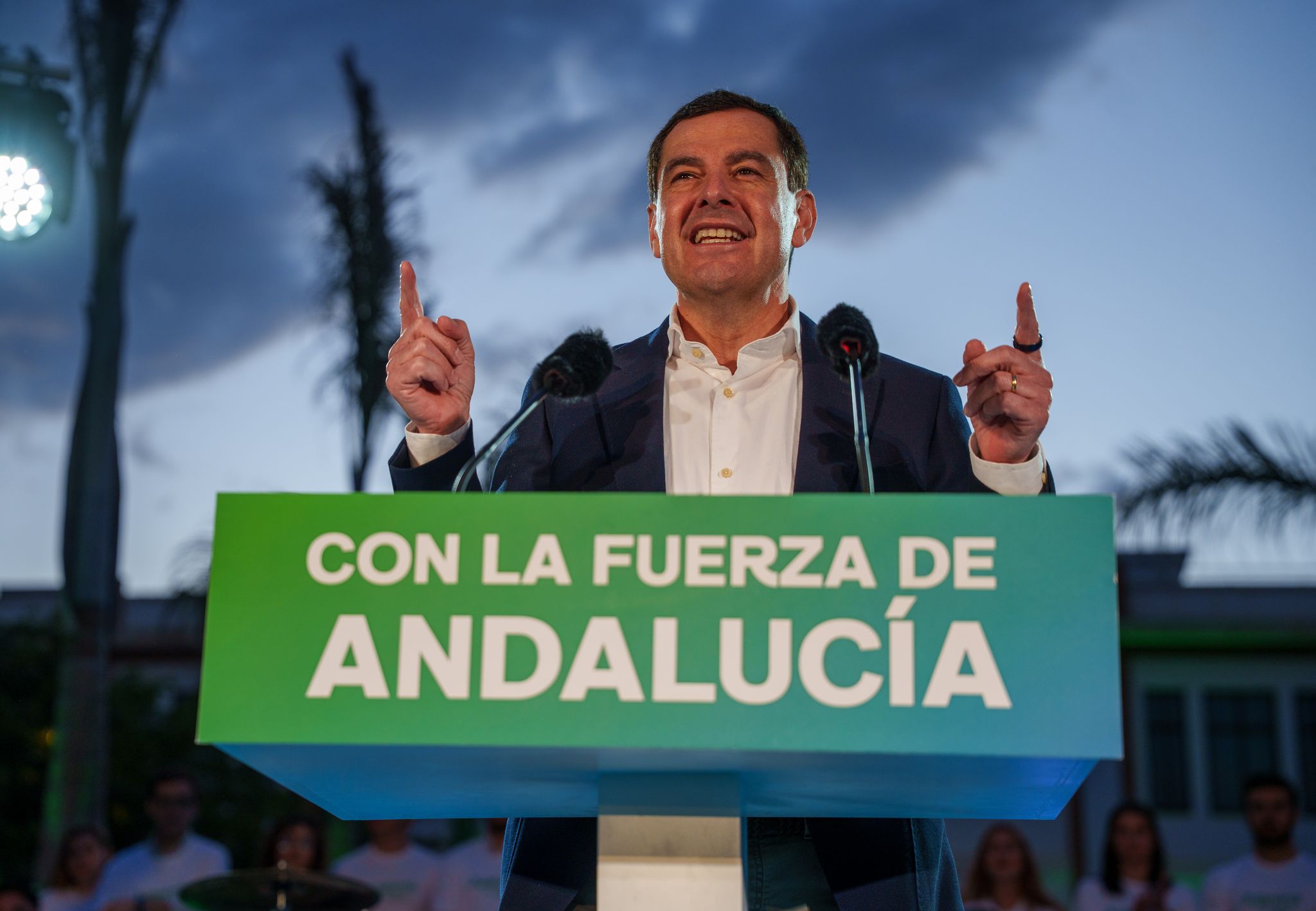
POLICY WIRE — Seville, Spain — It wasn’t a triumphant entry on horseback, nor the clash of steel, but the polite signing of a pact in Andalusia that quietly — and quite effectively — underscored a different kind of shift on the Iberian Peninsula. Far from the dusty pages of history books, where ‘Al-Andalus’ once symbolized a complex cultural crucible, modern Andalusia has witnessed an electoral realignment, pushing Spain’s political center rightward with an unexpected partner: the firebrand nationalist Vox party.
The conservative People’s Party (PP), having secured a working majority, found itself in an arrangement with Vox, a group that’s made its name — and quite a splash, really — with stark rhetoric on national sovereignty and immigration. What a concept. For a region whose very name conjures images of an 800-year Islamic golden age, the rise of a party advocating for, shall we say, a more singular Spanish identity is, if nothing else, a poignant turn.
Juanma Moreno Bonilla, Andalusia’s incumbent regional President and leader of the PP, framed the necessity with a weary practicality. “Governing demands pragmatism, not purist ideology. Our duty is to deliver stability for Andalusia, ensuring economic growth — and social cohesion for all our citizens. It isn’t always comfortable, but it’s what responsibility looks like,” he stated recently, presumably over a cup of strong espresso. That’s a careful walk, trying to placate both traditional voters — and nervous international observers. But convenience often trumps purism in the political theater, doesn’t it?
Javier Ortega Smith, Secretary-General of Vox, held a less equivocal line, speaking with characteristic gusto. “The people of Andalusia voted for change. They’re tired of unchecked immigration — and forgotten traditions. We’re here to reclaim our sovereignty, to put Spanish families — and Spanish values first. This agreement, imperfect as all compromises are, is a step towards a proper Reconquista,” he declared. One gets the distinct impression he relishes saying ‘Reconquista’ out loud, much to the chagrin of quite a few people.
This unlikely cohabitation, for all its local focus, reverberates well beyond Spain’s southern reaches. Spain, often seen as a bellwether for southern European sentiment on issues of migration and national identity, is navigating tricky waters. Because, let’s face it, Vox isn’t just talking about local politics. They’re echoing sentiments increasingly heard across Europe, challenging established norms, and (ahem) sometimes stirring up old ghosts. The party’s rise, mirroring a broader European trend toward national populism, is significant. Indeed, Vox’s support surged from a paltry 0.46% in Andalusia’s 2015 elections to securing 12 seats and 10.97% of the vote in 2018, according to official electoral commission data. That’s not just a bump; it’s a tectonic plate shift.
And then there’s the international dimension. In places like Pakistan, Malaysia, or even the Arab Gulf states, the rhetoric of parties like Vox is often watched with a mix of concern and a deepening sense of ‘othering’. Historical memories—real and perceived—of European colonial exploits or previous confrontations inform the lens through which such political developments are viewed. It’s a reminder that actions taken in Seville can, even if subtly, impact perceptions of European policy and tolerance far beyond its borders, shaping dialogues in cities from Karachi to Kuala Lumpur.
The implications aren’t confined to grand narratives either. They’ll trickle down to daily life, particularly for immigrant communities and anyone deemed outside of Vox’s strict definition of Spanishness. Policies concerning social welfare, cultural funding, and indeed, immigration, are now subject to the whims of this conservative-nationalist tango. It’s complicated. And it’s only going to get more so, wouldn’t you say?
What This Means
This conservative pact with Vox in Andalusia is more than a regional footnote; it’s a political canary in the Spanish coal mine, offering a chilling forecast for the national landscape. For the People’s Party, it signifies a hard-won victory in the short term, allowing them to govern. But at what cost? They’ve legitimized a far-right movement that, until recently, mainstream conservatives wouldn’t touch with a ten-foot pole. This alliance could be a template for future national coalitions, drawing Spain further into Europe’s populist embrace. Think about how that plays out on the global stage, especially when Brussels is trying to project a unified, tolerant front. That image, it’s fair to say, might need some heavy editing. Because when Europe’s south leans this way, the repercussions aren’t just local — they redefine what’s ‘acceptable’ and ‘mainstream’ in political discourse right across the continent. It really does reshape how other nations view European stability, not unlike how the unscripted dramas at Wimbledon can mirror global instability.
Economically, the impact is less clear-cut but potentially significant. Andalusia, heavily reliant on tourism — and agricultural exports, values stability. Vox’s anti-immigration, nationalistic trade rhetoric, if translated into policy, could complicate Spain’s relationship with crucial international partners and labor markets. Don’t forget, agricultural labor often comes from outside Europe, an aspect many prefer to conveniently overlook. The message to foreign investors and potential immigrants shifts from open-arms welcome to a more restrictive, skeptical stance. Such moves can, quite directly, stunt growth. This situation, of course, isn’t unique; other countries have wrestled with similar questions, grappling with issues like India’s manufacturing juggernaut stumbling as global markets shift. Spain isn’t an island, even if Vox might wish it were.
But the biggest impact is undoubtedly ideological. Vox thrives on cultural battles—against feminism, against ‘globalist’ agendas, and often, against Islamic immigration. By granting them a voice, and a mechanism for policy implementation, the Andalusian government has essentially given them a louder megaphone. The reverberations will likely inflame social tensions, forcing communities to confront often-uncomfortable questions about identity, belonging, and shared future in a region so historically rich and multifaceted. And let’s be honest, those questions rarely lead to simple answers.