


NM’s Pet Policy Crisis: Shelters Beyond Capacity
New Mexico's animal shelters face a policy crisis, straining resources and leaving pets like Zack & Boba forgotten. Discover the systemic issues and urgent need for state action.

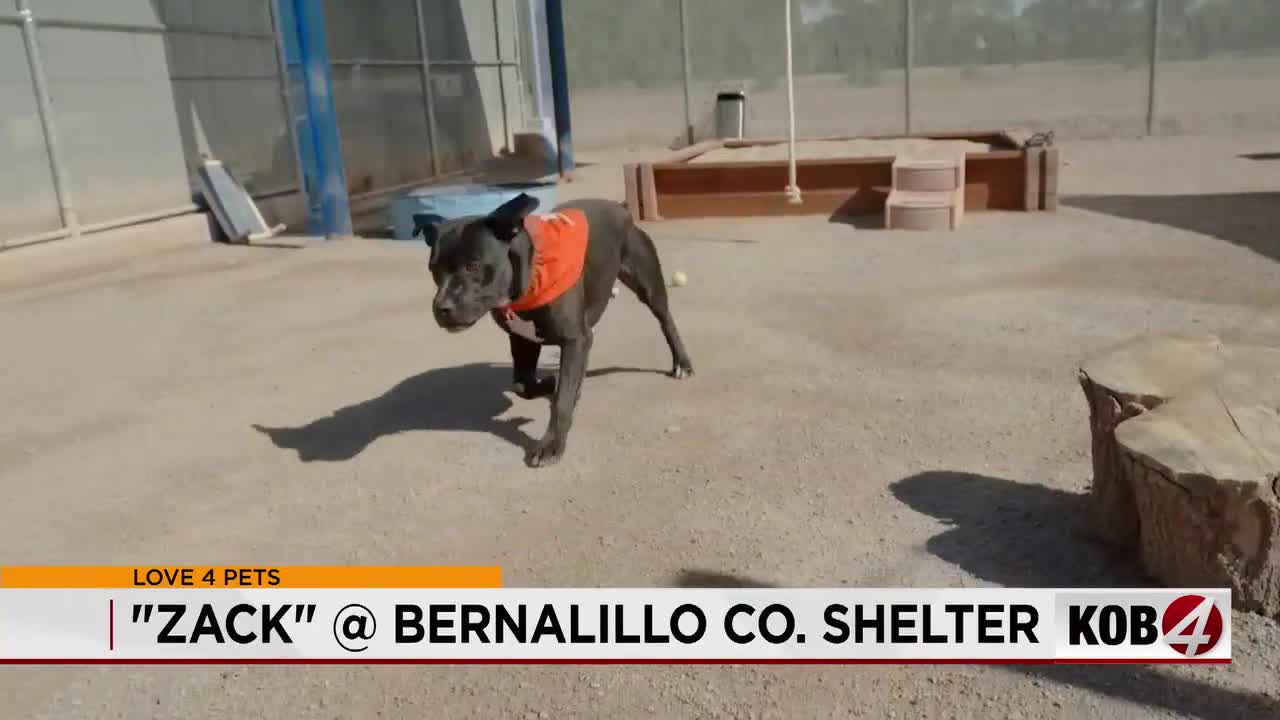
POLICY WIRE — ALBUQUERQUE, N.M. — It isn’t the budget deficit or the latest legislative squabble making headlines; it’s the quiet dignity of a six-year-old hound named Zack, hoping for a patch of calm. He’s one of the overlooked, a silent constituent in Bernalillo County’s burgeoning population of abandoned pets. His counterpart, Boba, a nine-year-old canine with a penchant for “zoomies” and surprising resilience, mirrors Zack’s plight from a county away in Lincoln. But their stories aren’t just about finding forever homes; they’re grim indicators of a much larger policy void, a systemic struggle straining local services and echoing forgotten responsibilities.
These animals, soft-hearted Zack seeking quiet moments, and the unexpectedly energetic Boba (who’s passed the cat test, by the way), represent the visible tip of an often-ignored iceberg. Across New Mexico, — and indeed, much of the nation, animal shelters are operating at or beyond capacity. And what gets lost in the usual political bluster, or arguments about fiscal prudence, is the stark reality of these crowded kennels. It’s not just a sad picture; it’s a strain on community resources, a tangible reflection of societal neglect, often simmering just beneath the surface.
“We’re stretched thin, always,” commented County Commissioner Sarah Chavez (D-Bernalillo), speaking to Policy Wire from her office in Albuquerque. “Every animal that comes through our doors—and there are so many more than there used to be—represents a cost: for food, for medical care, for the staff we don’t have enough of. It’s a basic community service, really, like sanitation or parks. But it’s one that gets short shrift when tougher choices have to be made, or so it always seems.” Her tone carried a weary resignation, a familiar tune in these conversations. It suggests the challenge isn’t simply about finding individual homes; it’s about acknowledging an infrastructural and policy bottleneck.
The numbers don’t lie, either. According to the American Society for the Prevention of Cruelty to Animals (ASPCA), an estimated 6.3 million companion animals enter U.S. animal shelters nationwide each year, a figure that includes both strays — and owner surrenders. That’s a staggering amount of vulnerable life depending on strained, underfunded public services. And in states like New Mexico, with its particular socio-economic challenges, those figures often feel even more pronounced on a local level.
The human dimension to this animal welfare problem often gets glossed over. Why are so many pets ending up in shelters? Economic pressures, housing insecurity, a lack of access to affordable veterinary care, or even basic pet education all contribute. When families face impossible choices, pets frequently become unwitting casualties. It’s not maliciousness; it’s desperation, often compounded by policy gaps that fail to support pet owners proactively. But there’s a deeper, more philosophical query here: What does a community’s care for its most vulnerable say about its overall health? It’s not just about pets. Often, cracks in social safety nets start showing up in unexpected places.
The struggle isn’t confined to American shores, mind you. In rapidly developing nations, take Pakistan for example, animal welfare organizations frequently grapple with even more severe capacity issues. A surging urban population, often without comprehensive pet registration or accessible spay/neuter programs, leads to vast numbers of stray animals. The policies—or lack thereof—in one country often mirror fundamental issues present elsewhere, just with different local flavor. Because ultimately, the basic needs of a community’s animals often reflect the state of its humans.
“We need state-level leadership on this, not just good intentions from volunteers,” argued Dr. Lena Khan, Director of the New Mexico Animal Advocates Alliance, an organization pushing for broader policy changes. “Local shelters are doing their best, but it’s like bailing out a boat with a teacup. We need statewide funding mechanisms, educational campaigns on responsible ownership, and better access to preventative care, especially in our rural communities. We can’t just react to the crisis; we’ve got to prevent it.” Her exasperation was palpable. She wasn’t just talking about stray cats and dogs; she was speaking of systemic failure, of policies designed for a bygone era when populations were smaller, and responsibilities were, perhaps, simpler.
Boba, despite his nine years, still has energy for evening walks. Zack still hopes for calm cuddles. They’re both waiting in a system that often fails to see beyond the immediate task of intake — and housing. And they’re reminders, aren’t they? — reminders that policy isn’t just about high-level economic indicators or international diplomacy. Sometimes, it’s about the very tangible, very real consequences playing out in county animal shelters, day in and day out.
What This Means
The quiet overload of New Mexico’s animal shelters, epitomized by pets like Zack and Boba, signifies more than just a pet problem. Economically, it represents a substantial unfunded mandate on local governments and non-profits, siphoning resources that could address other pressing community needs. Without dedicated state-level funding or comprehensive public health campaigns addressing pet ownership responsibilities, these facilities will continue to operate in crisis mode. This drives up operational costs, strains volunteer networks, and inevitably leads to difficult choices about animal care, reflecting a broader societal ambivalence toward community infrastructure and preventative solutions.
Politically, the issue remains largely unaddressed, falling into a legislative blind spot. Animal welfare often struggles for attention against larger, more vocal interest groups, especially when it doesn’t present an immediate, dramatic crisis (think a catastrophic natural disaster). This benign neglect, however, means politicians miss an opportunity to engage a broad base of constituents concerned about ethical treatment of animals and efficient use of public resources. Implementing robust pet registration laws, accessible spay/neuter programs, and support for animal control enforcement could be bipartisan wins, reducing long-term costs and improving public welfare. But it’s not always about grand, sweeping bills. Sometimes it’s about the persistent, granular efforts to amend outdated regulations or ensure even the smallest, often overlooked, issues receive proper policy attention. Failing to address these growing pressures now only guarantees larger, more intractable problems down the road for both pets and the communities that house them.