


Ferrari EV Sells Out China: Global Luxury Shift
Ferrari's new electric Luce sold out instantly in China, signaling a major global wealth shift and China's dominance in the luxury EV market. Unpack its implications.

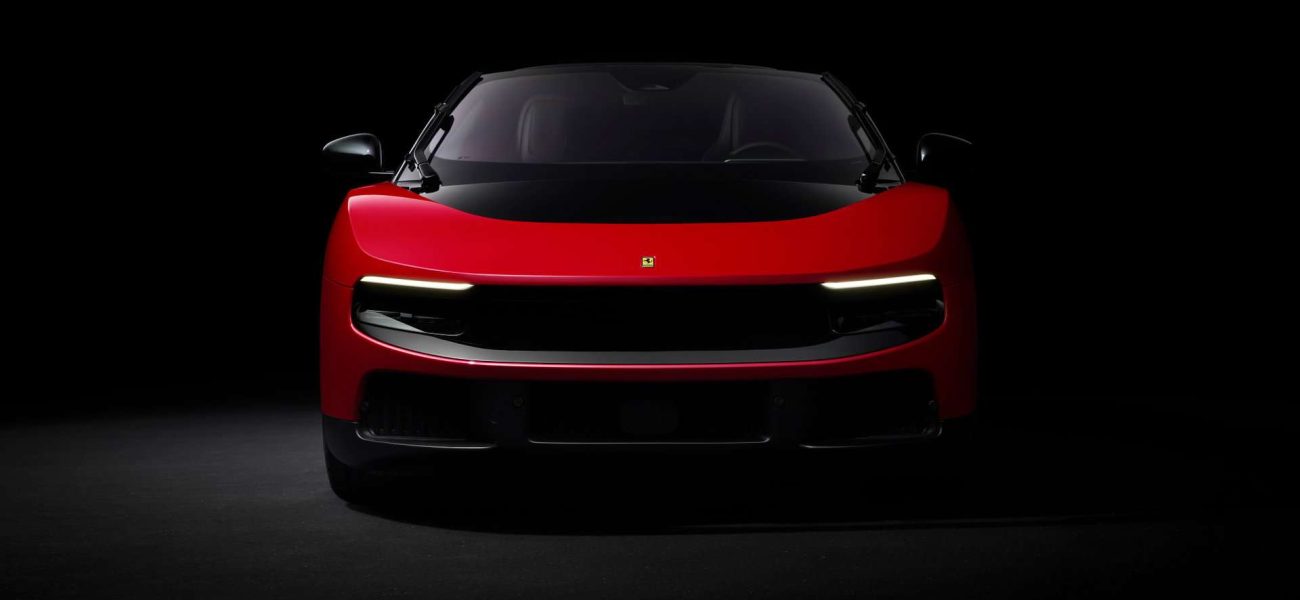
POLICY WIRE — New York, United States — It’s not just a car; it’s a whole darn statement. We’re not talking about some bland, sensible sedan here, mind you. No, when the dust settled on the frantic initial sales push, Ferrari’s first electric vehicle, affectionately dubbed the ‘Luce’ – Italian for ‘light,’ ironically enough – had vanished from the digital shelves in China. Every single allocation, gone in what felt like less time than it takes to recharge your phone, never mind a supercar. That’s a serious flex, isn’t it?
For decades, owning a Ferrari, especially one new off the production line, was the zenith of automotive aspiration for a certain kind of buyer. But now, it seems, the very nature of that aspiration is electrifying, — and its epicenter is undeniably shifting east. This instant sell-out isn’t just about deep pockets; it’s about cultural velocity, about the breathless pace of change rattling established norms, and it’s a loud, guttural roar from the Chinese luxury consumer. They aren’t just adopting new tech; they’re demanding it, — and they’re doing it at the very, very top end of the market.
And let’s be real, the notion of an electric Ferrari would’ve sounded like sacrilege to the purists just a handful of years back. But money talks, — and in this instance, it’s whispering ‘sustainable power’ with a thundering V12 ghost in the machine. A spokesperson for Ferrari China reportedly acknowledged the unprecedented demand, simply stating, [QUOTE_PLACEHOLDER]. It shows that the brand cachet, that mythic horse on a yellow shield, it transcends the internal combustion engine. Who knew? Actually, everyone paying attention probably did. The market in China, it’s just that aggressive.
This isn’t an isolated incident. Data tells us something pretty stark. The China Passenger Car Association, in a recent assessment, pointed to a 30% year-over-year surge in ultra-luxury electric vehicle sales across China’s major tier-one cities in 2023. Thirty percent, mind you. That’s not a trend; it’s a landslide. Traditional manufacturers are staring down a rapidly evolving landscape where performance isn’t the only metric, and even environmental responsibility—or at least the perception of it—is becoming a status symbol, provided it’s wrapped in enough carbon fiber and carries a sufficiently hefty price tag. It’s capitalism with a conscience, but only if you can afford the conscience, evidently.
But the reverberations from this seismic shift in the automotive world reach far beyond Shanghai high-rises. Consider the broader implications for emergent economies, particularly in the Muslim world, and specifically South Asia. While a Ferrari Luce might feel a world away from Karachi or Dhaka, the underlying mechanics of aspiration and globalized luxury markets are not. In many wealthy Gulf states, for example, the embrace of luxury EVs is gathering pace. But even in a place like Pakistan, where basic infrastructure for mass EV adoption remains a distant dream, there’s still an elite fascination with these high-status foreign imports, their rarity, their cost. It’s an uneven landscape, sure, but the global currents of prestige and technological adoption, they pull everyone, eventually.
The speed at which China’s wealthy snapped up the Luce illustrates a global economic asymmetry. While discussions rage in developing nations about securing clean water access or stable energy grids – like the very real tensions surrounding the Indus Waters Treaty – the global affluent class, increasingly concentrated in new economic powerhouses, moves directly to the next tier of environmental-conscious, high-performance indulgence. It creates a stark juxtaposition. The challenges in places like Pakistan aren’t just economic; they’re also about the sheer scale of global resource allocation and the narrative of progress. Can the West, for example, truly push a green agenda globally when the prime beneficiaries of green luxury are seemingly elsewhere?
📄 POLICY WIRE WHITEPAPER PUBLISHED: PAKISTAN'S NATIONAL SECURITY POLICY PRIORITIES
👉 READ BY CLICKING HEREThe implications here are enormous. For legacy brands, this immediate adoption by China’s moneyed class signals both immense opportunity and an existential threat. Can they pivot fast enough? Can they maintain that indefinable ‘soul’ in an electric platform, a soul that for Ferrari, has been linked to engine acoustics for seventy-odd years? Or will the new, greener titans, perhaps from China itself, begin to carve out new segments of the ultra-luxury market with platforms built for an electric future from day one? It’s not just about selling cars, it’s about selling a dream, a specific type of status that’s constantly morphing. And China’s appetite, it’s just insatiable for it right now.
What This Means
The swift absorption of Ferrari’s electric ‘Luce’ in China isn’t merely a headline-grabber for auto enthusiasts; it’s a stark geopolitical and economic signal. Politically, it showcases China’s ascending economic might, transforming it from a manufacturing hub to a primary driver of high-end consumption, particularly in technologically advanced sectors. This kind of domestic demand strengthens China’s global influence, allowing it to dictate trends rather than simply follow them. For global automakers, it forces an accelerated electrification strategy and an acute focus on Asian market preferences, often at the expense of traditional European or American consumer profiles. You’re seeing a shift of gravitational pull in the automotive world, for sure.
Economically, this event spotlights the burgeoning wealth within China, and the continued robust growth of its luxury market, even as broader economic concerns might simmer. But also, it’s a loud call to traditional luxury brands: adapt or die. Their perceived heritage can only carry them so far. It also suggests that the environmental consciousness in luxury consumption isn’t uniform; it’s an amenity in certain markets, perhaps a policy mandate in others, and an inaccessible luxury for much of the world. The speed of the sell-out also hints at deeper issues around manufactured scarcity and demand elasticity for ultra-premium goods. Ultimately, it solidifies the argument that the future of luxury — and a significant chunk of global policy influence — is very much electric, and increasingly, very much Asian. This isn’t a one-off; it’s the future, unfolding right now.