


England’s Fraught Victory: Why Doubts Persist
England's narrow win over DR Congo leaves more questions than answers. Discover why critics, fans, and even the government are worried about the team's form.

POLICY WIRE — Atlanta, USA — The collective sigh of relief from England supporters echoing across time zones Wednesday night was arguably more pronounced than the cheers for Harry Kane’s heroics. Because, let’s be blunt, another late-game, barely-there escape from England’s national squad felt less like a triumph and more like dodging a speeding lorry — for the second time in as many matches. While the headlines scream ‘Kane saves England,’ the reality for anyone actually watching that bewildering performance against DR Congo in Atlanta points to a deeper, more troubling narrative than a mere bad day at the office.
It wasn’t pretty. Not by a long shot. England, a squad built with considerable Premier League talent and bolstered by dizzying sums, looked disorganized, lethargic, and, dare one say it, profoundly uncomfortable on the pitch. The Democratic Republic of Congo, ostensibly the underdog, opened proceedings by carving through the English defense like a hot knife through butter, exposing Jordan Pickford’s near post with an efficiency that should send shivers down Wembley Way. Remember, this isn’t amateur hour. This is the World Cup, football’s grandest stage.
The usual suspects — England’s midfield — often looked like a vast, empty expanse, leaving the backline completely hung out to dry. Defenders like Djed Spence — and Ezri Konsa found themselves chasing shadows, their positions consistently compromised. Marc Guehi, typically reliable for Manchester City, seemed to forget his lines entirely. But then, it wasn’t just him; the entire defensive setup appeared vulnerable, a loose quilt patched together rather than a formidable wall.
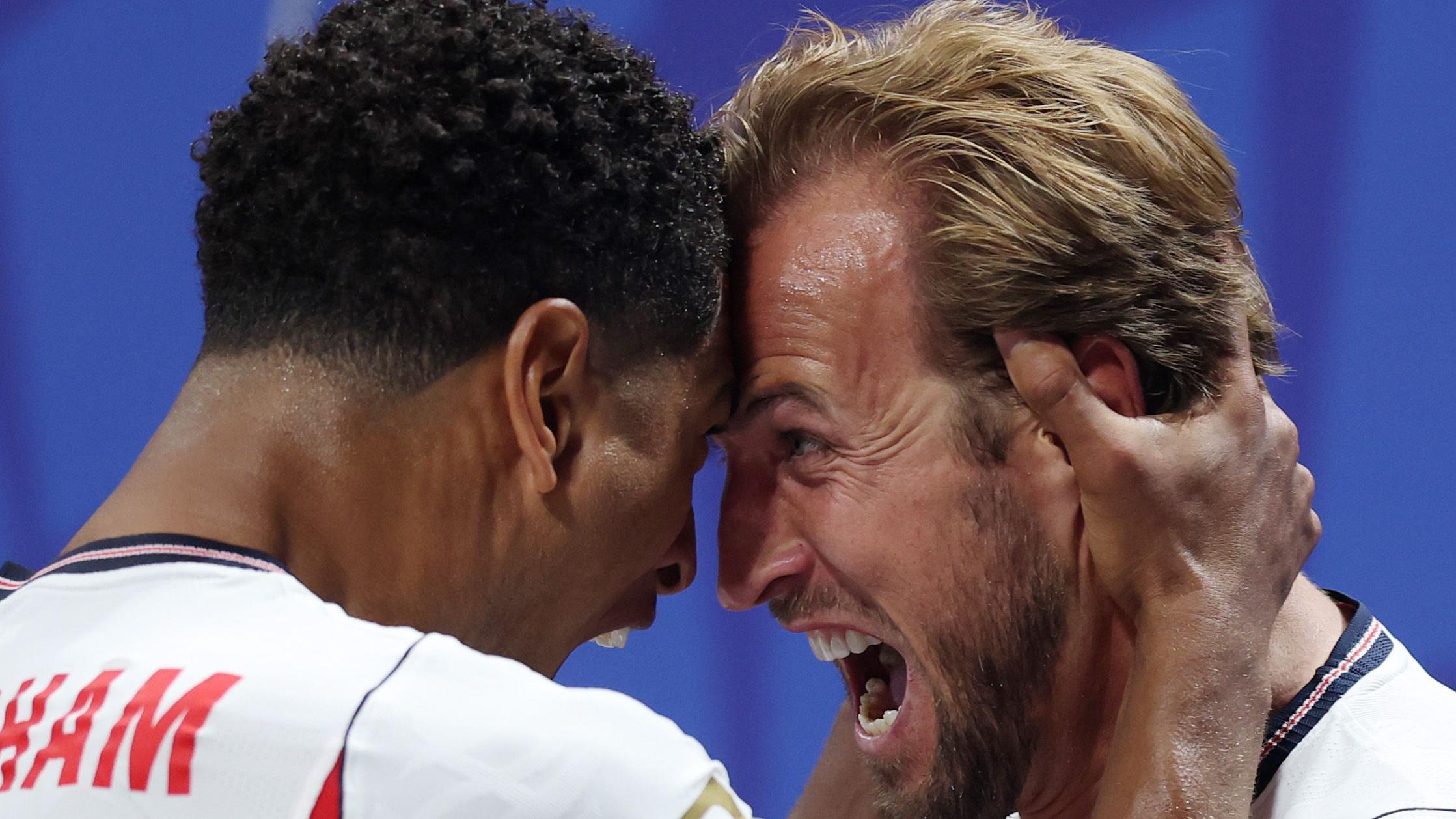
And what about the talisman, Harry Kane? For much of the game, he was anonymous — a high-priced ghost in the box. Until, that’s, he wasn’t. Two late goals, yes, delivered the win. But let’s be clear: this was a rescue mission, not a dominant display. Anthony Gordon, brought on late, was probably the only attacking player to truly earn his stripes, setting up both of Kane’s match-winners. But even his impact couldn’t mask the preceding 70 minutes of genuine malaise. This isn’t what England, or their ever-patient fans, signed up for.
“Look, it wasn’t pretty, no one’s denying that. But we dug deep, showed character when it mattered most,” a visibly frayed England manager Gareth Southgate conceded in the post-match presser, his usual composure struggling against the weight of the result. “Sometimes, that’s what a tournament demands — finding a way to win even when you’re not at your absolute best.” A sentiment, one might observe, that gets trotted out with uncomfortable regularity.
Meanwhile, the echoes of disappointment reverberate far beyond England’s shores. The vast global audience for football, encompassing billions — with the 2022 World Cup alone drawing an estimated 5 billion viewers globally, according to FIFA — tunes in not just for the spectacle but for the narratives of national pride. From Karachi to Cairo, where English football is watched with religious fervor among a huge diaspora and passionate fans alike, the inconsistent performances breed a familiar sense of exasperation. Pakistan, for instance, a cricketing nation by tradition, harbors millions of devout Premier League followers, whose investment in the ‘Three Lions’ transcends mere sport; it’s a cultural touchstone. They expect more for their emotionally — and, indirectly, economically — significant devotion.
A spokesperson for the Department for Digital, Culture, Media and Sport (DCMS) didn’t mince words, albeit carefully, after the game: “The nation expects better, frankly. While we celebrate progress into the next round, the performance highlighted areas where our significant investment in sport simply isn’t translating to consistent, top-tier results on the global stage. We’ve got to analyze that.” It seems even the suits in Whitehall are finding it hard to feign enthusiasm for ‘ugly wins.’ They want something to brag about, not to nervously brush aside.
What This Means
England’s sputtering performance, despite the progression to the knockouts, raises awkward questions not just for Southgate’s tactical decisions but for the broader English football establishment. For a nation that birthed the modern game and whose domestic league is an economic juggernaut — commanding billions in global broadcast rights and attracting elite talent — consistent underperformance on the international stage is a PR headache. It projects an image of untapped potential, an engine perpetually misfiring. Economically, this doesn’t directly impact the Premier League’s commercial machine overnight. But over time, if the national team can’t translate its raw material into gold, it begins to chip away at the soft power and global cachet England sports institutions covet. For British businesses eyeing emerging markets, particularly in Asia or the Middle East, a triumphant national team is invaluable as a brand ambassador, helping open doors that a sputtering one merely scrapes. But, conversely, a lack of success means fans, many of whom have endured generations of near-misses and heartbreak, could simply grow weary, disengaging emotionally, if not financially, from a process that seems doomed to repeat itself. It’s not just about football; it’s about national morale, reputation, and — when you squint just right — a surprisingly deep geopolitical reflection of global standing, much like the pressure faced by prodigies under intense global scrutiny. Nobody wants their ‘best’ to be just ‘good enough’.