


Nigeria Bills South Africa $4M for Xenophobia Losses
Nigeria demands $4M from South Africa for properties lost by its citizens during xenophobic attacks. This diplomatic bill strains African relations.

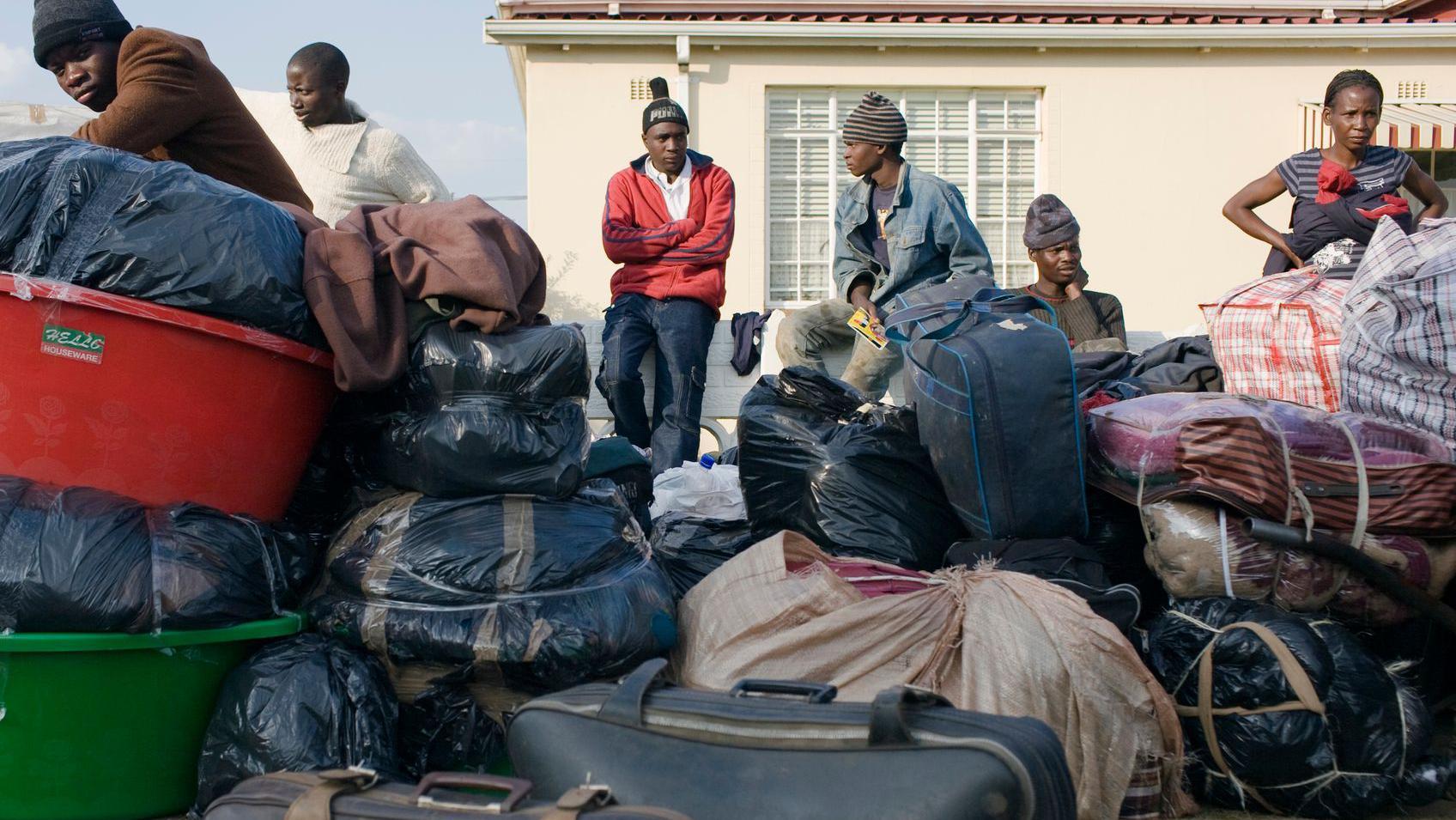
POLICY WIRE — Abuja, Nigeria — It isn’t often that the children of post-colonial dreams start charging each other for damages. But here we’re. Decades after Nigeria’s fierce anti-apartheid stance arguably nudged South Africa towards liberation, Abuja is now—without a hint of diplomatic flourish—asking its erstwhile ally to cough up. Not for past favors, mind you, but for the property its citizens left behind when fleeing xenophobic mobs.
It’s a stark, almost unromantic demand. A diplomatic bill for lost livelihoods, abandoned homes, and businesses shattered not by state decree, but by fellow Africans. Abuja isn’t messing about, apparently tired of polite nudges and furrowed brows over the episodic violence against its diaspora in South Africa. Because, let’s face it, ‘brotherly love’ has its limits when your countrymen are running for their lives and leaving everything they’ve built to rot.
Nigerian authorities estimate abandoned properties and lost businesses belonging to its citizens in South Africa total upwards of $4 million, according to data presented by Nigeria’s Foreign Ministry to the parliament earlier this year. Four million dollars. That’s a significant chunk for individuals, folks who’d packed up their hopes and headed south, only to return with tales of terror instead of triumph. It tells a story of broken trust, really, between the two economic heavyweights of the continent.
And so, Nigeria’s Foreign Ministry has dispatched a formal note, a kind of diplomatic invoice, demanding recompense. “Our people didn’t just abandon their livelihoods; they fled for their lives,” Yemi Alade, Nigeria’s Minister for Foreign Affairs, stated emphatically to local reporters last week. “Pretoria can’t just wave that away. There’s a moral and a legal bill due, and we intend to collect.” Harsh words for an official, sure, but understandable given the context.
Pretoria, predictably, hasn’t exactly leapt at the chance to write that check. This isn’t their first rodeo with Nigeria’s demands—or, for that matter, with the tragic cycles of xenophobia scarring its economic landscape. They’ve traditionally framed these incidents as localized crime, complex social issues, or the dark underbelly of economic disparity. “We’re a sovereign nation,” South Africa’s Minister of International Relations and Cooperation, Naledi Pandor, remarked in an off-the-record briefing that was definitely on the record. “These are complex social challenges, not state-sponsored asset seizures. We expect mutual respect, not economic demands dressed as diplomatic appeals.” A classic, really. Deny, deflect, then play the ‘respect’ card.
This whole situation – Nigeria basically saying ‘pay up or else’ – it forces an uncomfortable look in the mirror for Africa’s most developed economies. But it also echoes sentiments felt far beyond its shores. Nations with large expatriate communities, from Pakistan sending remittances home to Morocco’s citizens living in Europe, constantly wrestle with safeguarding their diaspora’s well-being and assets abroad. The principle here—that a host nation holds some accountability for the safety and property of foreign residents—is something governments across the global stage often wrestle with. It’s not just a Nigerian problem, it’s a universal immigrant challenge, plain — and simple.
But the South African problem is particularly poignant. Its anti-foreigner sentiment runs deeper than mere economics, dipping into narratives of ‘foreigners stealing jobs’ and ‘overrunning our services,’ even as migrants—Nigerians included—often contribute significantly to their economy. It’s a painful irony given the Pan-African solidarity South Africa relied upon during its dark apartheid years. Yet, history has a peculiar way of being forgotten when unemployment lines grow long, doesn’t it?
What This Means
This Nigerian compensation demand isn’t just about a few million dollars; it’s a major stress test on intra-African relations. Politically, it signals a deeper fracturing of the continent’s major powers. Nigeria, long a diplomatic heavyweight, won’t be quietly shamed anymore. This isn’t a one-off grievance; it’s a culmination of years of frustration. And it could easily sour an already complicated diplomatic dance between Abuja and Pretoria, potentially affecting their standing in regional blocs like the African Union.
Economically, if South Africa doesn’t meaningfully engage, it might face repercussions. Not direct sanctions, perhaps, but a cooling of investment sentiment from Nigeria — and other West African nations. Because if your businesses aren’t safe, if your people are at risk, why sink capital there? It makes perfect sense. Beyond that, the situation damages South Africa’s image as an open, inclusive African democracy—a claim it desperately needs to maintain to attract foreign direct investment and talent. If its largest continental partner is effectively sending them a bill for security failures, what message does that send to other potential investors, or even just African students looking for a new start? The message is: buyer beware. It truly does highlight a concerning policy vacuum regarding migrant protections.
The incident also underscores the persistent—and rather inconvenient—truth about xenophobia: it’s rarely just an isolated social issue. When a government can’t, or won’t, protect its foreign residents, their home countries will eventually step in, demanding accountability. This isn’t going away quietly, not this time.