
Germany’s Green Energy: 58% Renewables, What’s Next?
Germany hit 58% renewable energy, driven by crisis. Explore its rapid pivot, economic reboot, and the significant challenges of grid stability, costs, and future sustainability.

POLICY WIRE — Berlin, Germany — Sometimes, genuine revolution happens quietly, masked by quarterly reports and technical percentages. But make no mistake, Germany, that industrial behemoth, is in the throes of a profound energy reorientation. This isn’t just about eco-friendly platitudes; it’s a cold, hard response to geopolitical shocks, and it’s manifesting in truly astounding numbers. Last year, the narrative was about gas shortages — and scramble. Now, things look… different.
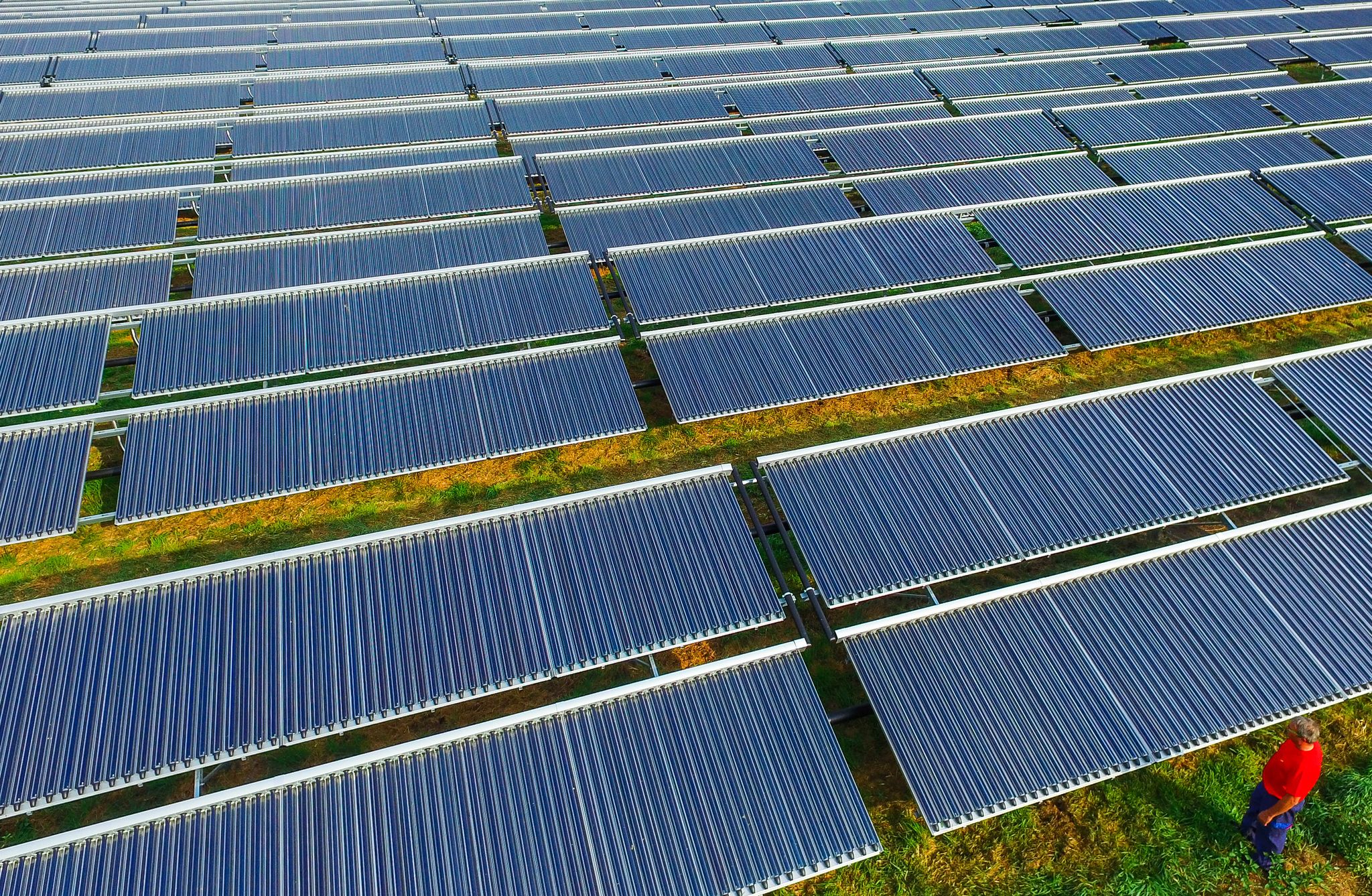
For the first six months of the year, renewables—that’s wind, solar, hydropower, the whole clean brigade—slid past a symbolic threshold. They punched above their weight, providing an unprecedented 58% of Germany’s gross electricity consumption. Yeah, you read that right. Not some aspirational target, but actual, electron-generating, grid-feeding reality. According to recent calculations from the German Federal Statistical Office (Destatis), wind power alone accounted for 31.9% of that total, flexing its muscle in a way few imagined even a decade ago. It’s a remarkable leap, considering it sat at 52.3% for the entirety of last year.
And it didn’t come easily. This surge isn’t merely the result of a long-term plan (though those plans have certainly helped); it’s an accelerated, often frantic, drive born from necessity. The spectre of an energy crisis—triggered partly by Russia’s invasion of Ukraine and the subsequent Nord Stream sabotage—forced Berlin’s hand, fast-tracking projects and stripping away layers of bureaucratic red tape that had choked development for years. German Economy Minister Robert Habeck, a Green Party standard-bearer, isn’t just seeing his party’s dreams materialise; he’s orchestrating a national economic reboot. “We’ve thrown open the throttle,” Habeck commented recently. “This isn’t just about protecting the climate; it’s about safeguarding our prosperity — and independence. We simply can’t afford to be beholden to authoritarian regimes for our basic needs anymore.”
But let’s be frank: it’s not all sunshine — and wind turbines. The grid, designed for a more predictable, centralised power system, often struggles with the intermittency of renewables. Storing all that energy for when the wind doesn’t blow or the sun doesn’t shine remains a vexing problem. And the costs—oh, the costs—are immense, passed down through energy prices, even if Germany’s manufacturing sector remains largely competitive. Detlef Müller, head of a medium-sized industrial federation in North Rhine-Westphalia, recently aired his cautious optimism, telling local media, “We applaud the ambition, we really do. But my members worry about grid stability, about the continued high prices, and whether this pace is truly sustainable without sacrificing our competitiveness on the world stage.” He’s not wrong to be concerned.
This European energy scramble, this furious pivoting, offers compelling—and often grim—lessons for nations further afield. Think Pakistan, for instance. A country that’s long grappled with energy insecurity, relying heavily on imported fossil fuels, experiencing crippling power outages and significant balance-of-payment pressures. Germany’s journey highlights the profound economic vulnerability inherent in energy dependence, but also the extraordinary possibilities of rapid transition—even if it’s forced. Islamabad, like many developing capitals, observes keenly. They’re thinking about how to leapfrog, how to secure their own grids, and how to harness indigenous, renewable potential without falling into new technological or financial traps.
What This Means
Germany’s renewable milestone is, in essence, a complex mosaic of triumph — and apprehension. Politically, it’s a feather in the cap for the coalition government, especially for the Greens, demonstrating that ambitious environmental targets can be met, even exceeded, under pressure. Economically, it signifies a massive internal investment drive—jobs in installation, manufacturing, and R&D—but also persistent questions about grid resilience and long-term price stability for its energy-hungry industries. This isn’t just about greening the economy; it’s about reshaping its very foundations, divorcing it from the volatile geopolitics of traditional energy markets. For Brussels, it bolsters the EU’s wider climate targets and perhaps offers a blueprint—or at least a cautionary tale—for other member states facing similar dilemmas. Germany’s record-breaking numbers are, in many ways, just the first truly tangible fruits of a decades-long policy that found itself supercharged by crisis. The harder tests, however, like building the necessary infrastructure for storage — and smarter grids, are yet to come. Because hitting 58% is one thing; sustaining 100% and a stable economy is quite another entirely. They’ve got a ways to go.