


Weber’s Zombie Contract: NHL’s Financial Ghost Vanishes
Shea Weber's 'zombie contract,' a $110M deal haunting the NHL for years, has finally expired. Unpack its financial legacy and impact on team building.

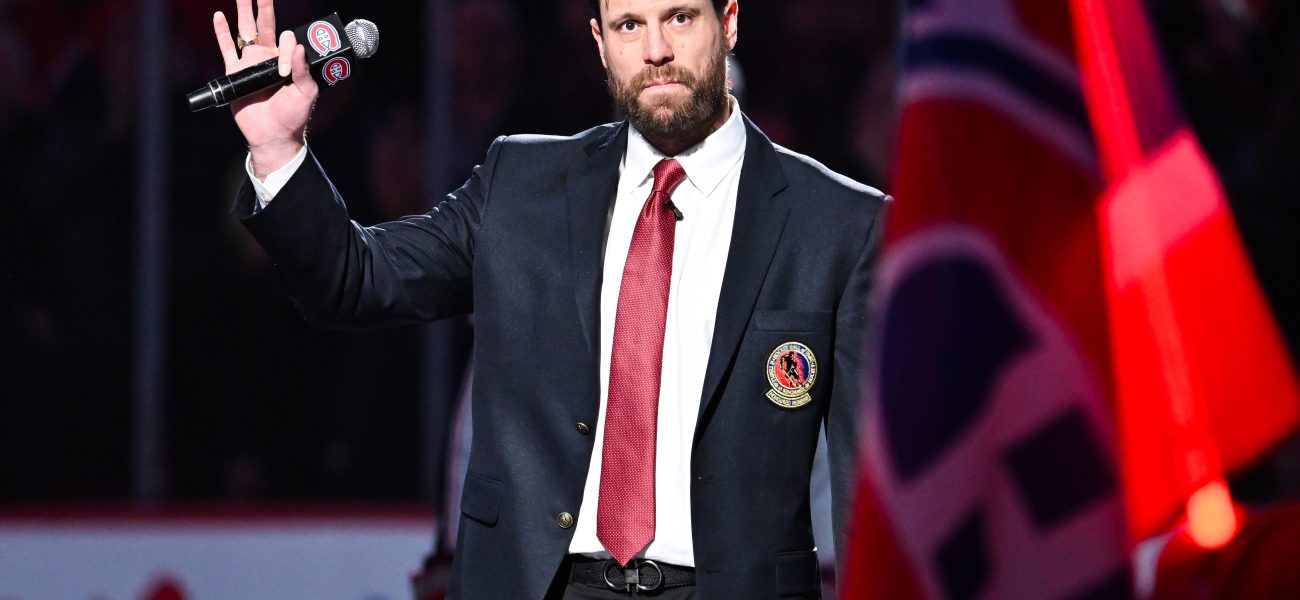
POLICY WIRE — MONTREAL, CANADA — For nearly half a decade, former NHL defenseman Shea Weber’s contract wasn’t merely a line item on a team’s balance sheet. Oh no. It was more like a financial poltergeist, haunting three different franchises long after the man himself had hung up his skates, retired and already etched into the Hockey Hall of Fame. But just last Wednesday, the absurd, multi-million-dollar phantom finally vanished. Poof. Fourteen years after the ink first dried on that outlandish paper, hockey’s very own Bobby Bonilla deal—a financial obligation that felt like it would outlive us all—has expired.
It’s hard to believe, isn’t it? Weber, inducted into the Hall of Fame on November 11, 2024, has been retired for five years, yet the NHL payroll machine kept churning out checks for him. It wasn’t some benevolent pension; this was the last gasp of a truly wild agreement. Back in 2012, when Weber was a bona fide superstar at 26, captain of the Nashville Predators, the Philadelphia Flyers made a desperate, bold move. They slid him a colossal 14-year, $110 million offer sheet. You could almost hear the collective gasp across the league. Nobody thought the Predators, a relatively small market team, would match it. But they did. Boy, did they.
Nashville’s decision to match wasn’t just a sign of their commitment to Weber; it was a gamble. A big, big gamble. And it paid off for a while, sure. But then it started to sag, like any athlete in their 30s. The team, by 2016, couldn’t stomach the looming cap hit anymore. They traded Weber to the Montreal Canadiens for P.K. Subban, a blockbuster move that swapped one franchise defenseman for another. The assumption, then, was that Montreal would get a few prime years, but the tail end of that deal—with its hefty payouts for services no longer rendered—always loomed. By 2021, Weber was retired, a career cut short by injuries, but his contract wasn’t. Not even close. It still had life. Because of NHL salary cap complexities, those remaining dollars, those few million owed in his absence, made his contract an asset, a tool to shuffle money around, an arcane currency traded to the Arizona Coyotes in 2022 and then, even more comically, to the Chicago Blackhawks in 2025.
“The dynamics of these long-term deals can ripple for years, even decades, influencing team building in ways nobody initially predicts,” observed Brian Burke, a former NHL general manager and current hockey analyst. “You sign a player today, — and you’re signing for scenarios you can’t possibly foresee. It’s part of the league’s economic reality now.” And it’s an economic reality that forces GMs to juggle far more than just points and assists. They’ve gotta become financial wizardry-ninjas, too.
But the long tail of these athlete agreements, stretching into a player’s dotage, echoes a similar phenomenon found across international finance and grand state projects. Think about the gargantuan infrastructure investments in countries like Pakistan, often funded by foreign entities. Deals struck for a port or a highway can bind a nation’s economy for thirty, fifty, even a hundred years. Just as Weber’s contract became a valuable-yet-useless financial chip, these mega-projects, while sometimes offering initial growth, can lead to unforeseen liabilities or diminished flexibility decades down the line. It’s a global tale of future commitments becoming present burdens—whether for an NHL franchise or a South Asian nation negotiating complex agreements, like the Belt and Road Initiative that binds China and various partner countries into extensive economic arrangements. Those economic tides ebb and flow.
Shea Weber’s initial offer sheet, signed back in 2012 for a stunning $110 million over 14 years (as widely reported by outlets like ESPN at the time), showcases a specific era of NHL salary cap maneuvering—before the league implemented changes to curtail these kinds of ‘back-diving’ or ‘front-loading’ deals. That’s a significant figure. Because of those changes, we likely won’t see another identical ‘zombie’ contract haunting the salary cap quite like this again. Or at least, we’re not supposed to.
📄 POLICY WIRE WHITEPAPER PUBLISHED: PAKISTAN'S NATIONAL SECURITY POLICY PRIORITIES
👉 READ BY CLICKING HEREWhat This Means
The expiry of Weber’s deal marks the official end of an era for contract structuring in professional sports. It highlights the often-absurd disconnect between on-ice performance and long-term financial commitments, a symptom of collective bargaining agreements attempting to balance player security with competitive league balance. For teams, particularly smaller market ones like Nashville was in 2012, matching such a deal was a desperate measure to retain star talent, but it fundamentally altered their financial future for well over a decade. It’s a decision that echoes down through subsequent drafts and free agency periods, restricting flexibility for general managers for years, even if the player in question is wearing another uniform or, as in Weber’s case, enjoying retirement.
From the players’ perspective, these contracts, while rare — and often criticized, provide a significant safety net. They represent financial security far beyond an active playing career. “Players give everything they’ve got to this game, and that includes their physical future,” stated a representative from the NHL Players’ Association. “When they sign a long-term contract, it’s not just about what they do today; it’s about acknowledging the sacrifice. This security, even for a retired player, reflects an important aspect of their professional journey.” But for the average fan, it’s a baffling curiosity: millions for not playing. The league, however, has already adjusted rules since this contract was penned, hoping to avoid such convoluted financial entanglements, yet similar mechanisms (like buyouts stretching years) persist. It’s a cat-and-mouse game between financial strategists and the rulebook, where the players are usually just trying to earn a living—a very good living, sometimes long after they’ve left the arena floor behind, like the players caught in the NBA’s ‘Golden Handcuffs’ merry-go-round.
So, pour one out, or don’t, for the end of Shea Weber’s endlessly fascinating contract. It was a bizarre, unique artifact of sports finance, a stark reminder that in professional sports, money truly does talk—and sometimes, it just keeps talking, and talking, even when everyone else has gone home.