

Bennett’s Bold Plan to Slash Israel’s Cost of Living
Former PM Naftali Bennett aims to ease Israel's cost of living crisis with bold economic reforms. Discover his plan to bring down prices for families.

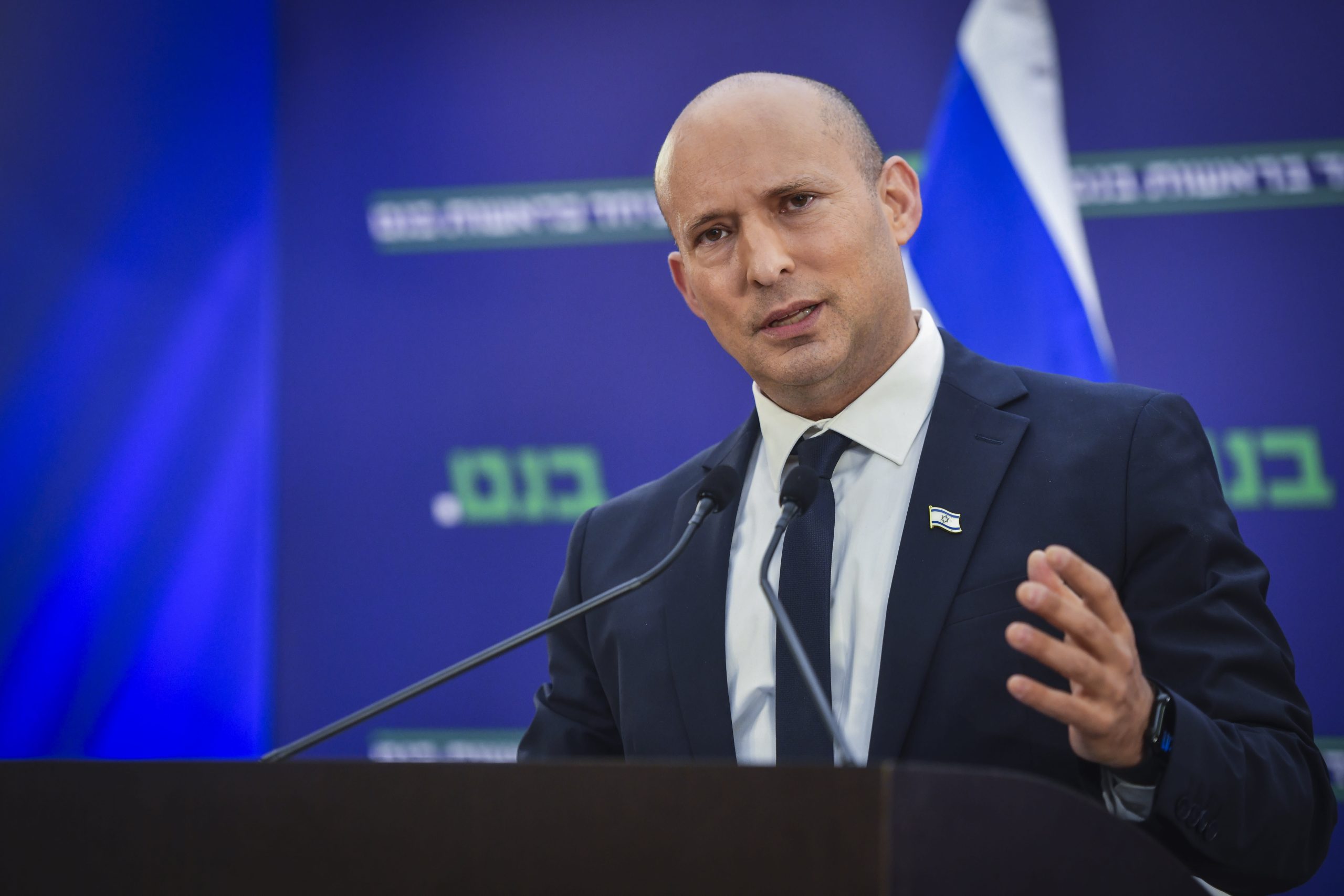
POLICY WIRE — Tel Aviv, Israel — The average Israeli household is, by most accounts, feeling the pinch. Not the subtle, seasonal kind, but a deep, unyielding squeeze on their wallets—one that’s been growing for years, leaving many wondering if their nation’s innovation economy only benefits a select few. It’s a sentiment so palpable it’s practically its own voting bloc. And it’s this widespread economic frustration that former Prime Minister Naftali Bennett is banking on, staking his potential political return squarely on a sweeping — and some would say audacious — economic rescue plan.
His recent pronouncement, delivered with characteristic bluntness, lays out a raft of proposals aimed at bringing down the stubbornly high cost of living that has become a national obsession. Don’t expect soaring rhetoric, though. Bennett, a pragmatist if nothing else, is focusing on the nuts and bolts: dismantling bureaucratic hurdles, injecting real competition into stifled markets, and streamlining import regulations. “The system, frankly, is broken,” Bennett asserted in a policy briefing, his voice carrying the faint echo of past tech-sector leadership. “We’re choking our own people with unnecessary tariffs — and monopolies. My plan isn’t some abstract vision; it’s a toolkit to make groceries, housing, — and even cars actually affordable again. We’ve simply got to give families some breathing room.”
It’s an attractive pitch, considering the latest data from the OECD—in 2023, Israel ranked among the most expensive countries in the world, with consumer prices consistently above the organization’s average for food, housing, and transportation. But can a former leader, known for a diverse but often short-lived coalition, really pull off such an economic turnaround?
The skeptics, naturally, are circling. “Bennett’s suddenly a populist champion of the common person? Please,” scoffed a senior official from an opposing party, who asked not to be named due to the ongoing election dynamics. “He had his chance, you know. These are the same issues he grappled with then. It’s an election season, — and everybody’s got a magic wand. What’s different this time? He’s hoping we’ve all forgotten the complexities that made these problems so persistent under his watch.” Indeed, the challenge isn’t merely identifying the problems, it’s enacting solutions in a fractured political landscape.
Bennett’s strategy appears to involve a surgical approach to market failures. He’s talking about fast-tracking construction permits—a perennial bottleneck—and forcing open closed markets to more international players. He’d also look at public transportation reforms and, perhaps most controversially for some sectors, curbing the power of influential import cartels that effectively dictate prices on everything from olive oil to appliances. His proposals read less like a sweeping ideology — and more like a detailed engineering fix for a clunky machine. (And boy, is that machine clunky.)
This battle against inflation isn’t unique to Israel. Across the globe, from the developed West to emerging economies in South Asia, household budgets are under immense strain. Take Pakistan, for instance, which has seen its consumer price index surge by over 20% year-on-year for much of the past two years, prompting similar cries for governmental intervention and structural reform. It’s a shared global headache, where supply chain disruptions, energy costs, and often, domestic inefficiencies combine to erode purchasing power. Bennett’s challenge—and potential triumph—would be demonstrating that targeted domestic policy can genuinely buck these global trends.
But the real test for any incoming Israeli government—should Bennett even form one—won’t be just the neatness of his economic models. It’s the messy reality of political will. Implementing these kinds of reforms means stepping on powerful toes, dismantling entrenched interests, and quite possibly, alienating established allies. Israel’s price predicament has dogged successive governments, proving itself more resilient than most political careers. Can Bennett’s promises avoid the same fate? It’s a gamble, pure — and simple, and the Israeli electorate will be the ones holding the chips.
What This Means
Bennett’s latest move isn’t just an economic blueprint; it’s a meticulously calculated political maneuver. By focusing squarely on the cost of living, he’s tapping into the broadest common denominator of public frustration, effectively sidestepping the more divisive socio-religious or security issues that often plague Israeli elections. He’s framing himself as the practical, managerial antidote to years of perceived government inaction. If he gains traction, it could force other candidates to adopt similar, consumer-centric platforms, shifting the entire election discourse towards bread-and-butter economics.
Economically, if these plans were to be rigorously implemented, they could genuinely reshape Israeli markets. Reduced bureaucracy means less red tape, which could encourage new businesses — and investments. Boosting competition usually translates to lower prices for consumers—a genuine relief. However, significant structural reforms take time to yield results, and the immediate impact might not satisfy a public clamoring for quick fixes. Because of this, his political fate would hinge on the *perception* of progress almost as much as the actual economic gains. Also, powerful lobbying groups tied to monopolies — and existing regulatory bodies won’t just roll over. They’ve got deep pockets and strong political connections, making any real reform a bitter, drawn-out fight. It’s a high-stakes bet on both policy efficacy and public patience.