

Info War: Manila Video’s Global Deception
Uncover the shocking case of Manila footage re-purposed as a Caracas earthquake. This article exposes the corrosive impact of information warfare on global trust and stability.

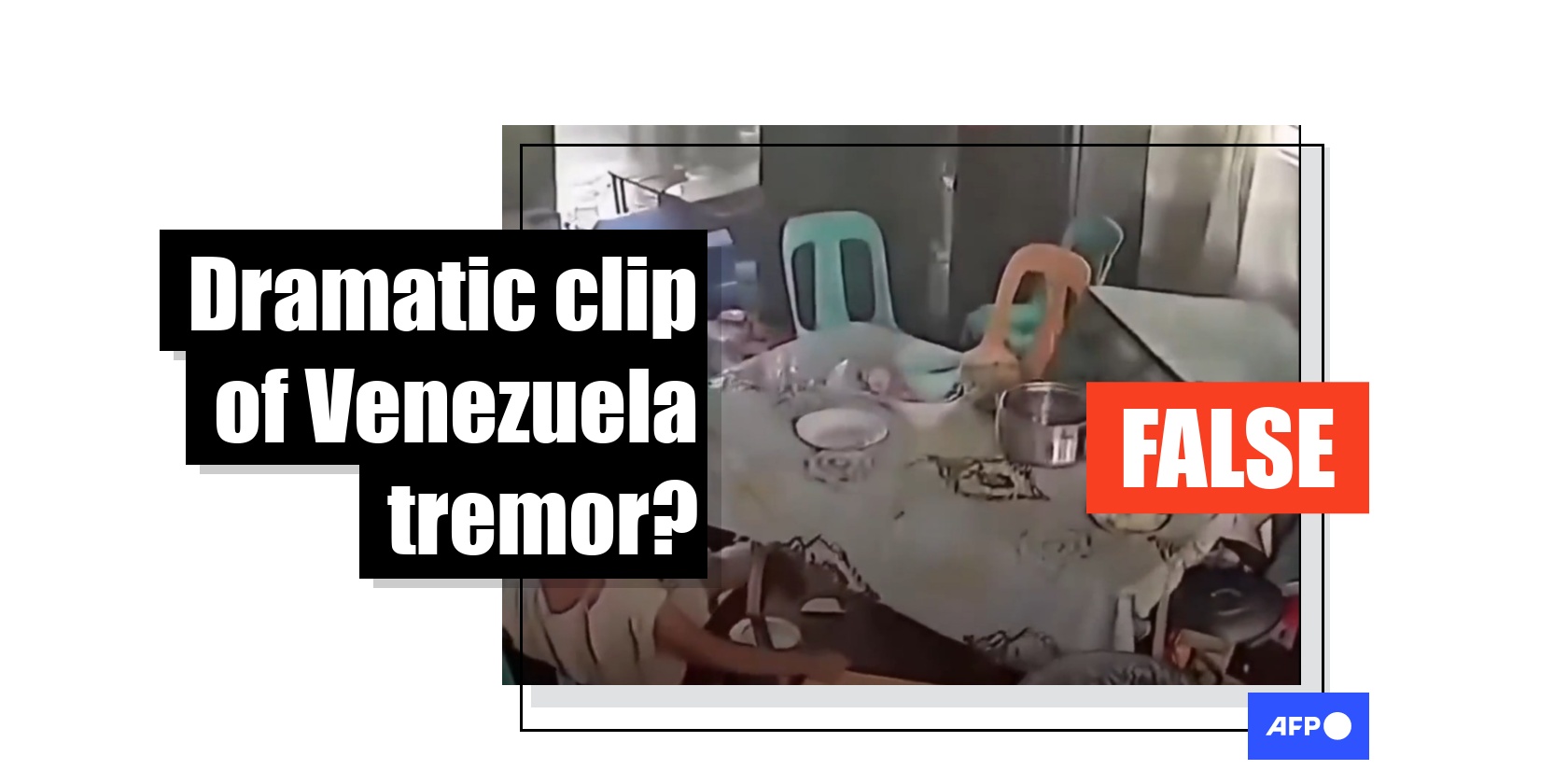
POLICY WIRE — Washington D.C. — Imagine a world where a flicker of surveillance video, taken halfway across the globe weeks prior, suddenly materializes as incontrovertible proof of chaos on your own doorstep. It’s not a dystopian fantasy; it’s the everyday reality of information warfare. We’re not talking about some sophisticated, state-sponsored deepfake here. It’s just old CCTV footage from the Philippines, somehow magically transformed into the purported aftermath of an earthquake in Venezuela. A rather crude magic trick, wouldn’t you say? But an effective one, it seems.
This little charade isn’t an isolated gaffe. Instead, it’s a tiny, gleaming shard in the larger, much more troubling mosaic of deliberate online misdirection. It illustrates precisely how easy it’s for an innocuous video, once context is stripped away, to become a weapon. And you can bet, its implications stretch far beyond a tremor in Caracas, real or imagined. The sheer velocity at which this particular piece of digital flotsam bounced across social platforms—you’ve got to admit, it’s almost impressive, if it weren’t so concerning. [QUOTE_PLACEHOLDER]
There’s an unsettling rhythm to these kinds of episodes now. A disaster, a crisis, a moment of vulnerability. Then, like clockwork, the digital grifters and agents of instability get to work, crafting narratives designed not to inform, but to inflame. It’s not just about what you believe anymore, it’s about what you can’t possibly know for certain. The Philippines footage, apparently depicting a storefront rattling violently from seismic activity, landed in Venezuelan feeds precisely when one might expect an authentic quake video to appear. That’s not coincidence; it’s calibration. And it really does mess with people’s heads.
Because frankly, in times of genuine upheaval, panic breeds credulity. And that’s a dangerous cocktail, isn’t it? Disinformation campaigns don’t require grand narratives or intricate plots. Sometimes, a poorly contextualized video is all it takes to plant doubt, spread fear, or exacerbate existing tensions. You just need enough people to share it, enough bots to amplify it, and a populace tired of sifting truth from outright fabrication. It becomes a war of attrition, wearing down public trust until people just throw their hands up. Or, worse, start believing the most outlandish stuff simply because it sounds more exciting.
This tactic—recycling and mislabeling media—it’s everywhere. It transcends borders, crosses continents. You see similar shenanigans affecting narratives in places like Pakistan, for instance. Social media algorithms, built for engagement over veracity, don’t discriminate by geography. We’ve seen videos supposedly depicting political rallies or sectarian violence in one city rapidly repurposed to suggest unrest in another. Back in 2022, during Pakistan’s tumultuous political shifts, a torrent of fabricated or miscontextualized content inundated local feeds, making it incredibly difficult for citizens to discern fact from fiction. Experts note that a staggering 80% of individuals on social media platforms struggle to identify fake news, according to a 2022 study by the Pakistan Institute for Conflict and Security Studies. That’s not just a stat; it’s a gaping wound in civil discourse.
It gets you thinking, doesn’t it? About who benefits from this erosion of reliable information. For authoritarians, it’s a golden age. They don’t have to control the narrative entirely; they just need to muddy the waters enough so that no narrative can gain full traction, creating an apathy towards objective truth. For geopolitical rivals, it’s a potent, low-cost weapon to sow discord. And for opportunistic hucksters? Well, they just love the clicks — and ad revenue. They’ve got no conscience, only metrics.
We’re stuck in this digital quagmire, constantly sifting through what feels like an endless pile of manufactured outrage and half-truths. It’s draining, no doubt. The Venezuela incident isn’t going to reshape global politics overnight, but it adds another layer to the increasingly dense fog of war—information war, that’s. It reminds us that every phone in every pocket can become an unwitting conduit for mischief, or something much more sinister. Policy makers — and intelligence agencies are wrestling with this, believe you me. They know it’s a mess.
What This Means
This isn’t just about a misinterpreted earthquake video. It’s about the relentless, corrosive nature of ambient disinformation that chips away at institutional trust globally. Politically, leaders in volatile regions like Venezuela, or any nation prone to internal strife—such as various countries across South Asia—face an uphill battle trying to manage genuine crises when their publics are awash in manipulated content. This sort of fake media often exploits existing societal fissures: economic inequality, ethnic tensions, religious differences.
Economically, this widespread mistrust carries a hefty price tag. It scares off foreign investment, hinders development, — and can trigger capital flight during manufactured panics. A population unable to distinguish legitimate news from engineered falsehoods is less likely to support rational policy initiatives, more susceptible to populist demagoguery, and less engaged in productive civil society. It paralyzes a nation’s ability to respond coherently to real challenges. Consider, for example, the chilling effect on public health campaigns when official information competes with a deluge of conspiracy theories. The digital whispers are morphing into a roar, shaking the very foundations of how nations communicate and govern. Policymakers are left playing Whac-A-Mole with anonymous trolls, a fight they often can’t win. It suggests a future where decision-making relies less on verifiable facts and more on who can scream loudest—or invent the most compelling fiction. It’s a recipe for sustained global instability, plain — and simple.