


Outback Powers Up: Australia’s Giant Green Battery
Discover how Australia's new 215MW Culcairn battery secures a stable, renewable energy future. This Outback project is a global model for decarbonization.

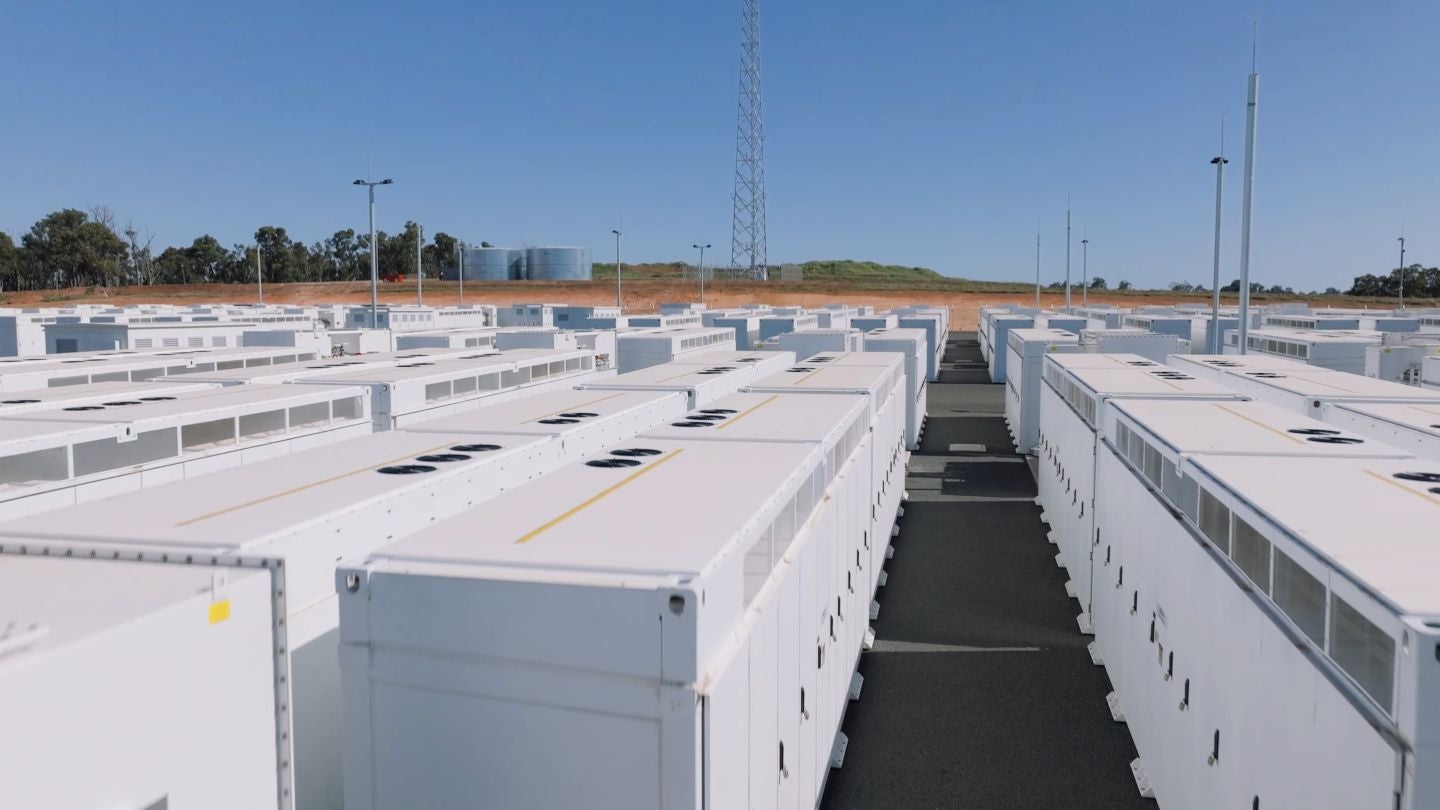
POLICY WIRE — Canberra, Australia — The land of perpetual sunshine and historic fossil fuel dependence is quietly—or perhaps, very loudly, given its scale—recalibrating its entire electrical nervous system. No, we’re not talking about another massive solar farm baking in the relentless heat. We’re talking batteries. Big ones. The kind that don’t just hold charge but hold the very promise of a stable, renewable-powered future. Italian firm NHOA Energy just snagged the contract for the 215-megawatt Culcairn Battery in regional New South Wales, and it’s a hell of a lot more than just another engineering feat.
Because, honestly, this is about making sure the lights stay on when the sun packs up its rays and the wind decides to take a breather. It’s a monumental undertaking, installing what amounts to a silent power plant, storing enough juice to electrify thousands of homes—a whole small city, really—for several hours. Think about it: a giant, metallic, energy-packed box sitting in the Australian bush. The symbolism isn’t lost on anyone, even if some prefer their energy dug up — and burned. This isn’t just swapping one energy source for another; it’s rebuilding the very scaffolding of a national power grid that’s been largely untouched since coal became king.
But the true guts of this project, its underlying narrative, isn’t about NHOA winning a bid; it’s about the relentless global march towards decarbonization. Australia, a continent practically floating on coal and gas, is now chasing an ambitious target of 82% renewable electricity by 2030, according to the Clean Energy Council. And you can’t hit that kind of number without serious storage capacity. Dr. Evelyn Vance, the Commonwealth’s plain-speaking Minister for Energy — and Climate Change, put it pretty bluntly. “We’re not just greening our economy, we’re securing our energy future. This battery, these sorts of projects, they’re not nice-to-haves; they’re absolute must-haves for a modern, reliable grid. We don’t have a choice if we want to compete — and provide for our people.” Strong words, for sure.
And it’s a global sprint, this energy storage game. While Australia installs its mega-batteries, nations across South Asia—Pakistan, for instance—grapple with their own versions of the energy dilemma: surging demand, unreliable grids, and a climate that’s already delivering devastating blows. Pakistan’s government, despite its own renewable potential (think hydro, solar, wind), often defaults to thermal power, facing astronomical fuel import bills. There’s a shared conversation brewing, maybe not always heard, about how Australia’s success (or missteps) with grid-scale storage could inform—or warn—others.
Gianluca Bianchi, Chief Operating Officer for NHOA Energy, understands this macro context better than most. “Our work in Australia isn’t isolated. It’s a template, yes, but also a proof-of-concept for similar initiatives that developing economies, facing critical energy deficits, desperately need. The engineering might be complex, but the requirement is simple: stability, sustainability, and ultimately, economic resilience,” Bianchi commented in a recent interview. It’s about bringing reliable power to places that desperately need it, whether that’s rural NSW or, indeed, burgeoning cities across Asia.
This whole thing isn’t just about electricity. It’s about sovereignty, really. It’s about not being chained to global commodity prices or unreliable fossil fuel supply chains—something Pakistan understands acutely. But it’s also about the raw materials—lithium, cobalt, nickel. They’re scattered around the globe, mined often in places with, let’s just say, less stringent environmental and labor regulations. The appetite for these materials is ravenous, creating its own set of geopolitical and ethical conundrums that this shiny new battery project—for all its green credentials—can’t quite erase. It just shifts the spotlight onto different industries, different geographies. It’s always something, isn’t it?
They’re betting big on this tech. The idea is simple: harness excess renewable energy when it’s plentiful, store it, then dish it out when the grid begs for it. It stabilizes prices, prevents blackouts, — and helps dispatch intermittent solar and wind. Pretty neat, actually. This isn’t a one-off either; it’s part of a concerted push. You look at Berlin’s own green gamble in Europe, or the quiet erosion of traditional energy structures everywhere; Australia is just another, albeit quite large, domino falling. The scale is something else, a quiet revolution taking hold far from the bustling capitals, out where the kangaroos hop.
What This Means
This 215MW Culcairn battery signals a hardened commitment from Australia to disentangle its grid from its carbon-heavy past. Economically, we’re talking hundreds of jobs in construction, then a smaller, but specialized, workforce for operation and maintenance. It stabilizes wholesale energy prices, which, you know, eventually trickles down to what folks pay for their power. Politically? It lessens reliance on geopolitically sensitive fuel imports, granting a measure of energy independence. But, more subtly, it cements Australia’s role as a proving ground for large-scale energy storage, an engineering crucible, if you will. This success, or lack thereof, sets precedents.
Because there’s an international audience watching. Nations with similar climate profiles and grid challenges—places like India, parts of Africa, and indeed, Pakistan—are constantly eyeing these solutions. The immediate challenge for Australia becomes integration, ensuring this monster battery plays nice with existing infrastructure and delivers its promise. But the long game, well, that’s about securing access to the very materials these things are made from. It’s a dirty fight, even for the cleanest energy, — and the rules are still getting written. Don’t think for a second this is the end of the story; it’s merely a particularly electrifying chapter.