
New Mexico’s Fires: A Test of State Readiness
New Mexico's raging wildfires expose a critical debate: Is the state truly prepared for climate-driven disasters? Explore the global challenge.

POLICY WIRE — Santa Fe, United States — It’s not the acrid smoke blanketing the horizon or the gnawing dread of a sun turned permanent, blood-orange that first signals a crisis. No, sometimes, the truest harbinger is the crisp, dispassionate hum of bureaucracy kicking into gear—a precise sum allocated, an executive order stamped, a half-million dollars wheeled out against an inferno devouring acres faster than the state can count them. This, right now, is New Mexico’s reality. And it’s a familiar dance governments play when nature, unburdened by committee meetings or budget cycles, decides to assert itself.
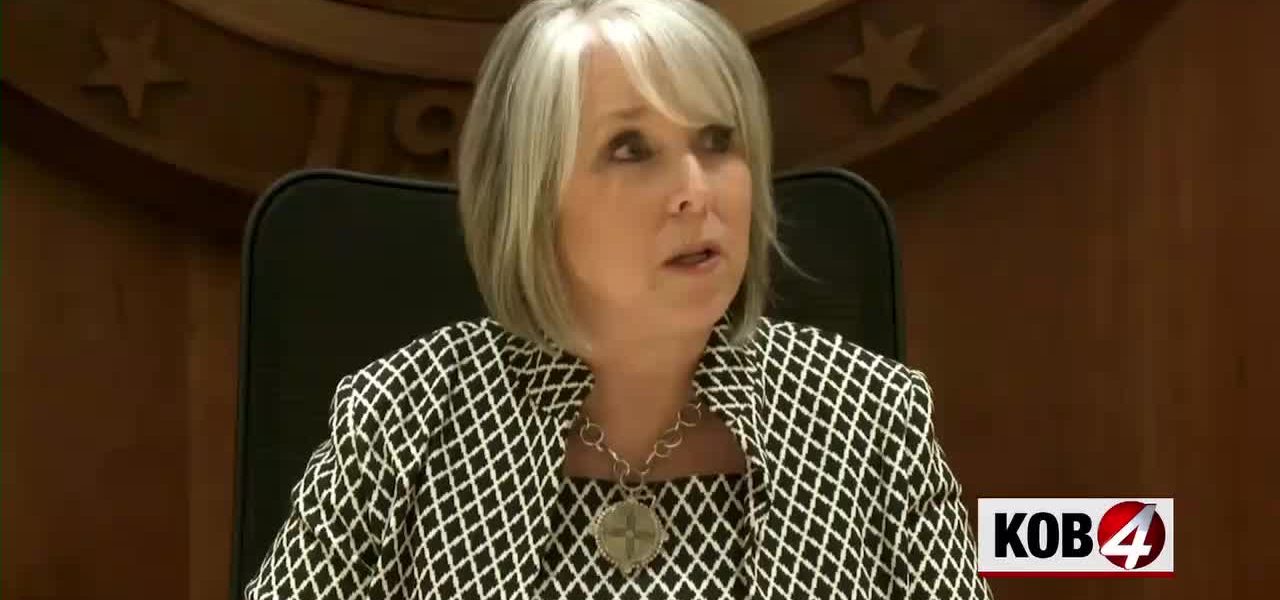
Gov. Michelle Lujan Grisham has just cut a check, so to speak. Not a large one, mind you, by the standards of environmental catastrophe. But, it’s something. Her administration, confronting the harsh arithmetic of an incinerating landscape, officially released $500,000 in state emergency funding. This sum is slated for deployment as no fewer than sixteen massive wildfires blaze across the state, their hungry tongues licking at forests, homes, and collective nerves.
But let’s be candid: this isn’t about just half a million dollars. It’s never about just the initial down payment. Because you don’t douse a prairie fire with a bucket of pocket change; you don’t outrun a climate phenomenon with a line item in a budget. You’re simply trying to catch up, hoping like hell it’s enough. Per a state press release, the mechanics are stark and dry: Lujan Grisham signed Executive Order 2026-047 to direct the New Mexico Department of Finance Administration to send the money to the Department of Homeland Security and Emergency Management (DHSEM) for wildfire response. It’s a textbook governmental response, an acknowledgment on paper of the rampant destruction outside.
The allocation, DHSEM tells us, makes resources available for fires scattered across New Mexico, including a particularly nasty one—the McCauley Springs Fire in Sandoval County. But this particular battle—the human versus nature showdown—has its own grim statistics. Since the start of the 2023 calendar year, wildfires across the United States have scorched over 2.6 million acres of land, according to the National Interagency Fire Center (NIFC). That’s a land mass larger than Delaware and Rhode Island combined, and we’re still relatively early in the season, if you can believe it.
And these blazes aren’t just contained to New Mexico. Maj. Gen. Aguilar, an interim cabinet secretary who’s seen his share of crises, plainly stated, [QUOTE_PLACEHOLDER] And, what do you do with that kind of forecast? You rally the troops, you secure the perimeter. We’re told, “We are doing everything we can to support the responders and the residents who are facing these disasters.” It’s the standard line, yet beneath its bland assurance lies the desperate scrambling of a state staring down a furious natural force.
Over the past weekend, the Department of Homeland Security and Emergency Management, we’re informed, was playing a very specific game of high-stakes Tetris. It’s worked with local emergency teams, fire crews — and other state agencies to support firefighting in Sandoval County. These aren’t desk jockeys, you understand; they’re the people getting their boots dirty. They’re battling everything from falling ash to actual, literal mudslides caused by flash flooding in burn scars. Yes, the state said the New Mexico Department of Transportation cleared a roadway for responders after a mudslide, DHSEM provided sandbags to the county and State Emergency Operations staff monitored for any added needs from county emergency managers. It’s a multi-faceted problem that’s gotta be addressed from multiple angles. Not a simple undertaking, not by a long shot.
Because the consequences here extend beyond mere property damage or budgetary headaches. They touch the core of governance itself—how do you protect your populace when the very environment seems to turn against you? For states like New Mexico, drought, heat, — and high winds are a catastrophic trifecta. New Mexicans are urged to help prevent additional wildfires by following fire and firework restrictions across the state, but ultimately, human actions are only a fraction of the problem when climate patterns are so far out of whack. It’s a reminder of a harsh, planetary truth.
📄 POLICY WIRE WHITEPAPER PUBLISHED: PAKISTAN'S NATIONAL SECURITY POLICY PRIORITIES
👉 READ BY CLICKING HEREConsider the similar, if hydro-centric, crises unfolding across the globe, especially in places like Pakistan. That nation, far from the American Southwest, routinely grapples with its own climate-induced calamities, often related to the precious flow of water. Melting glaciers, fueled by global warming, lead to devastating floods, and then, paradoxically, prolonged droughts strain the agricultural heartland. These events don’t just destroy livelihoods; they inflame political tensions and stretch state resources to a breaking point, just like the fires are doing here.
The ongoing struggle over shared rivers, a constant, low-level thrum in South Asian geopolitics, demonstrates how vital natural resources—be they forests in New Mexico or river systems in Pakistan—become pressure points. That a sum like $500,000 for wildfires can feel both generous and completely inadequate, well, it’s a feeling very familiar to administrations in Islamabad trying to manage flood-control projects or drought-relief efforts for millions. It’s all about governments playing defense against the planet, and hoping their coffers, and their political will, don’t run dry. You can call it state capacity being tested, or you can just call it a Tuesday in the anthropocene.
What This Means
This isn’t just about New Mexico burning; it’s a symptom. It reflects a growing pattern of environmental destabilization forcing governments everywhere to reprioritize, often reacting to disasters rather than proactively preventing them. The modest $500,000 allocation—while certainly better than nothing—suggests a band-aid approach to a gaping wound. It hints at the uncomfortable reality that states, even with robust economies, aren’t truly prepared for the escalating frequency and intensity of climate-driven events.
Economically, prolonged wildfire seasons will exact an ever-higher toll, draining state budgets, impacting tourism, and creating massive reconstruction costs. Insurance markets will wobble. Politically, leaders face an impossible balancing act: appease a public demanding immediate action, manage limited funds, and avoid taking the blame for what are often broader, systemic issues beyond their direct control. For governments, it’s an annual, unwelcome audit by Mother Nature herself. They’re either scrambling to show they’re doing [QUOTE_PLACEHOLDER] or they’re explaining why their response wasn’t enough. It’s a brutal choice. The comparison with Pakistan’s water struggles isn’t academic; it’s a stark mirror reflecting how climate change stresses resource allocation and governance stability across disparate geographies. From parched Southwestern landscapes to critical river basins, it’s the same story: a system stretched to its limits, trying to manage crises far larger than any single appropriation can ever solve. These events don’t just consume land; they eat away at public trust, challenging the very perception of governmental competence in an era of relentless planetary flux. Expect more emergency orders, more modest sums, and—regrettably—more smoke on the horizon. The game’s changing, — and governments are still playing catch-up. And the stakes, globally, are just too damn high.