


Beltway Circus: Johnson’s Maverick Merger Threatens to Upend Defense Spending Norms
POLICY WIRE — Washington, D.C. — Congress, it appears, never truly rests—even when its members would surely prefer a quiet adjournment. Sometimes, the most audacious maneuvers happen not...

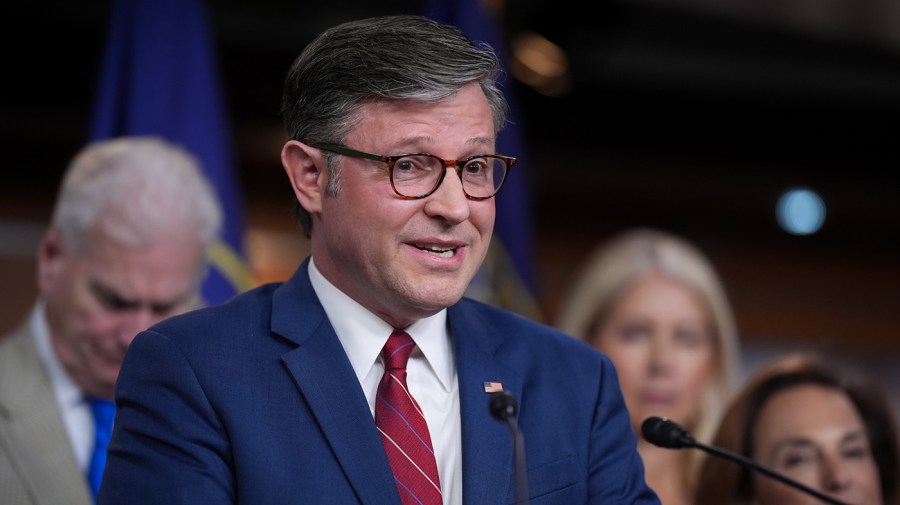
POLICY WIRE — Washington, D.C. — Congress, it appears, never truly rests—even when its members would surely prefer a quiet adjournment. Sometimes, the most audacious maneuvers happen not on the House floor with fiery speeches, but in the subdued backrooms of Capitol Hill committees. It’s here, amidst the procedural minutiae and a healthy dose of political brinkmanship, that a key panel just advanced Speaker Mike Johnson’s unconventional bid to merge the so-called SAVE America Act with the perennial, must-pass National Defense Authorization Act.
It’s a legislative odd couple, isn’t it? The NDAA, that weighty annual policy bill dictating everything from troop pay to battleship procurement, finds itself saddled with a rider many see as a Trojan horse. Johnson, bless his heart, isn’t one for convention, not really. This move screams desperation or, perhaps, a shrewd recognition that a bill that absolutely *must* pass makes a pretty good wagon to hitch other, less popular priorities onto. And, honestly, you gotta respect the gumption, even if you’re pulling your hair out trying to decipher the endgame.
The SAVE America Act – depending on which iteration you’re eyeing, given the nebulous nature of its previous congressional incarnations – generally champions some flavor of fiscal accountability or cuts to federal spending. It’s a good rallying cry for the GOP’s more conservative flank, always looking to trim fat, especially from anything vaguely categorized as wasteful government programs. But shoving it into the defense bill, a package historically negotiated with bipartisan grit and usually focused squarely on global security threats? That’s like adding an itemized tax rebate form to your grocery list at the supermarket checkout. It’s just bizarre, isn’t it?
This tactic isn’t exactly new under the sun, mind you. But it’s certainly bolder when it touches the NDAA, a bill so critical to the Pentagon’s operations, it seldom dies. You could say it’s a form of legislative blackmail—either you pass this entire, unwieldy beast, or you explain to a lot of voters why soldiers aren’t getting paid or why a shiny new fighter jet program just got derailed. But, there you have it. Politics, often, isn’t about finesse; it’s about leverage. And Speaker Johnson, currently navigating a slender House majority and a fractious conference, needs leverage like a fish needs water. Because this is the legislative dance, — and sometimes the steps are more akin to a mosh pit.
Democrats, predictably, aren’t exactly thrilled. [QUOTE_PLACEHOLDER] as one senior aide put it, fearing for their prospects at compromise on such an essential piece of legislation. But Republicans, particularly those eyeing tighter fiscal controls and wary of endless defense expenditures, might see this as a win-win: getting their cost-cutting measures approved while still funding the military. It’s a classic D.C. two-for-one deal, often leaving everyone vaguely unsatisfied, yet reluctantly nodding along.
📄 POLICY WIRE WHITEPAPER PUBLISHED: PAKISTAN'S NATIONAL SECURITY POLICY PRIORITIES
👉 READ BY CLICKING HEREGlobally, such legislative machinations, even in far-off Washington, don’t go unnoticed. Defense spending — and foreign aid, for instance, are deeply embedded in the NDAA. Pakistan, for one, regularly looks to U.S. legislative actions for signals on military cooperation — and security assistance. Any changes—especially cost-cutting directives originating from a merged SAVE America Act—could ripple outwards. The country received approximately $600 million in security-related assistance from the U.S. in fiscal year 22, according to data from the Department of State. Reductions or tighter accountability frameworks mandated by the merged act could certainly complicate future funding discussions, affecting counter-terrorism initiatives or defense procurements—a common concern across much of South Asia and the wider Muslim world, where U.S. military aid plays a nuanced, often contentious, role. They’re watching, believe me.
So, the question becomes: Will this audacious play succeed, or will the weight of two vastly different legislative agendas sink the whole ship? The betting money in the marble hallways leans toward eventual passage of some form, because the NDAA is too important to fail. But the haggling—the concessions, the compromises, the bitter pills—is just beginning. Get your popcorn ready.
What This Means
This panel’s decision isn’t just bureaucratic fluff; it signals a hardball strategy from House leadership to force conservative fiscal policies onto a bill that typically gets a relatively easier ride through Congress. For Speaker Johnson, it’s a high-stakes gamble to demonstrate legislative effectiveness and appease his base, who clamor for reduced spending even on military matters. But it’s also a significant risk. You see, the NDAA, by its very nature, demands broad bipartisan consensus, and introducing such a contentious fiscal rider jeopardizes that. It complicates negotiations, extends legislative timelines, and potentially sours future attempts at cross-aisle collaboration. it places a heavy political burden on the Pentagon, whose leadership just wants to ensure they can maintain readiness without playing congressional chess. This move suggests we’re in for a very rocky legislative season, perhaps seeing more such mergers. It’s an effective way to get things done when your majority is flimsy, but it might just burn too many bridges. Expect fierce opposition in the Senate — and potentially, protracted conference negotiations. The impact? Delays for military programs, a headache for international partners relying on U.S. consistency, — and certainly, a fresh wave of partisan sniping. Political brinkmanship like this is a high wire act, and someone’s bound to fall.