


Abu Dhabi’s Maverick Move: India’s Missiles Reshape the Desert Security Landscape
POLICY WIRE — Dubai, UAE — For generations, nations in the Gulf bought their defense toys almost exclusively from a predictable roster of Western vendors. American fighter jets. European submarines....

POLICY WIRE — Dubai, UAE — For generations, nations in the Gulf bought their defense toys almost exclusively from a predictable roster of Western vendors. American fighter jets. European submarines. And always, always a hefty price tag. But Abu Dhabi, it seems, isn’t playing that game anymore. Not entirely. This isn’t merely about cutting costs, you understand; it’s a geopolitical chess move, subtly shifting the strategic plate from Washington to, well, Delhi.
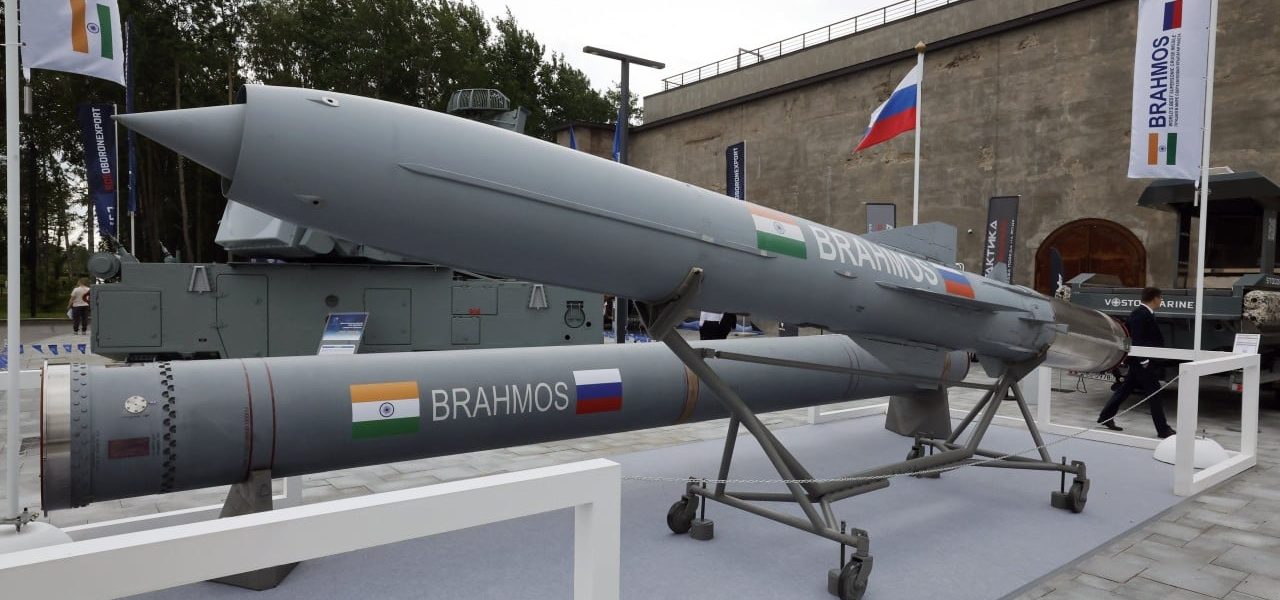
Because New Delhi, long perceived as the world’s most ravenous arms consumer—swallowing up 9.8% of global arms imports between 2018-2022, according to SIPRI data—is now quietly positioning itself as a credible arms dealer. And its potential blockbuster debut in the lucrative Middle Eastern market? That’d be a big-ticket sale of BrahMos missiles, along with its homegrown Akashteer automated air-defense command-and-control system, to the United Arab Emirates. Think about that for a second. An Asian power, once synonymous with Cold War non-alignment and arms dependency, is pitching its own cutting-edge hardware in a region historically locked into a Euro-American security embrace.
It’s a whisper, sure. The talks are still, officially, in their infancy, no ink spilled on final contracts. But the very existence of these advanced negotiations, first brought to light by Reuters in late June, speaks volumes. It screams about a shifting tide, doesn’t it? The UAE, it appears, isn’t content with a single, monopolistic security blanket, regardless of how plush or technologically advanced it may be. They’re seeking diversified partnerships. And India, acutely aware of its own regional security challenges—and an economy hungry for new, high-value exports—is more than happy to oblige.
India’s Raksha Mantri (Defense Minister) Rajnath Singh, not known for understatement, didn’t mince words recently when pressed on India’s burgeoning defense ambitions. “For decades, we’ve been at the receiving end of the global arms trade, a primary customer, if you will, but those days, they’re done. They’re utterly past. Our defense industry isn’t just manufacturing now; it’s innovating, it’s exporting. We’re a serious player on the world stage, and this deal, if it goes through—and we fully expect it will—proves it. It’s not just a commercial transaction; it’s a statement of capability — and trust.” Strong words. You can feel the confidence.
And from the UAE’s side, there’s a clear strategic calculus. Major General Salem Al-Zaabi, Director of Joint Operations for the UAE Armed Forces, articulated this strategic pragmatism to Policy Wire on background. “Our partnerships must reflect the complex realities of the 21st century. We aren’t beholden to a single supplier anymore, not when regional stability demands agility and diverse technological solutions. India’s offerings are competitive, yes, but their strategic alignment and willingness to collaborate – that’s what interests us deeply. It’s about genuine partnership, not just transactions.” It’s a subtle dig at Western dominance, if you’re reading the tea leaves.
What This Means
This isn’t merely a business transaction; it’s a geo-strategic handshake. For India, this marks a profound step toward true strategic autonomy. Selling high-tech missiles isn’t just about cash flow; it legitimizes their indigenous defense sector on the global stage. It builds confidence domestically, signaling to engineers — and manufacturers that their innovations actually matter. And it challenges the perception of India as a perpetual import sponge, forever reliant on others for its most sensitive defense needs.
📄 POLICY WIRE WHITEPAPER PUBLISHED: PAKISTAN'S NATIONAL SECURITY POLICY PRIORITIES
👉 READ BY CLICKING HEREBut. For the UAE, the ramifications are even more nuanced. Diversifying defense partners helps dilute the leverage any single country might hold over its security. It complicates the strategic calculations of regional rivals — and provides flexibility in a volatile neighborhood. It’s a smart move. by embracing an Asian supplier like India, the UAE implicitly strengthens an eastward pivot that complements its economic and diplomatic initiatives—a strategic alignment that’s less about ideological symmetry and more about pragmatic, multi-vectored foreign policy. This also subtly pressures traditional Western arms exporters to offer better terms or risk losing a historically loyal customer base. The geopolitical map of arms dealing? It’s not staying static. The tectonic plates are grinding. The European powers are watching this, I guarantee you.
And how does Pakistan, India’s historically prickly neighbor, view this potential deal? Probably with a mix of concern — and watchful calculation. Any enhancement of India’s strategic clout, particularly in the Middle East—a region historically significant to Pakistan through religious, economic, and military ties—will be observed meticulously in Islamabad. This isn’t just about selling a few BrahMos missiles; it’s about India’s deepening integration into the security frameworks of the wider Muslim world, potentially chipping away at Pakistan’s long-standing diplomatic advantages in the region. It’s about India signaling its broader power, its aspirations. The landscape is changing, whether Islamabad likes it or not.
It’s all part of a larger story, isn’t it? The grand tale of how countries, once firmly in one camp or another, are now free-agents, crafting bespoke security solutions for themselves. This UAE-India connection isn’t just about missiles. It’s about ambition, shifting allegiances, — and the quiet re-ordering of global power. A new security paradigm? It’s less an earthquake, more a steady, undeniable tremor. And the world watches.