


U.S. Envoy Blames Gaza Stalemate on Upcoming Israeli Elections
POLICY WIRE — Washington, United States — A senior U.S. official has attributed the slow progress in rebuilding the war-ravaged Gaza Strip to the political turmoil surrounding upcoming Israeli...

POLICY WIRE — Washington, United States — A senior U.S. official has attributed the slow progress in rebuilding the war-ravaged Gaza Strip to the political turmoil surrounding upcoming Israeli elections.
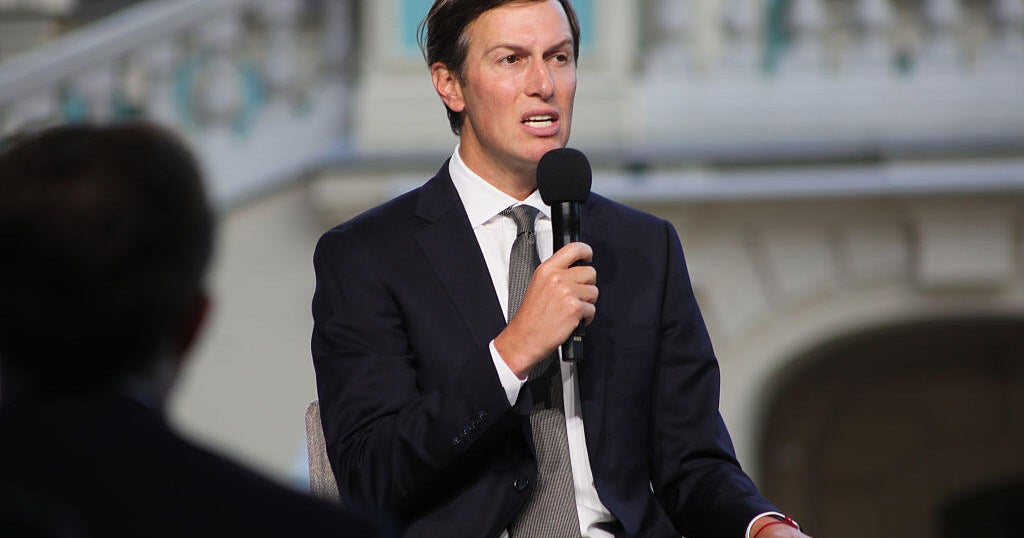
Jared Kushner, President Trump’s special envoy, made the remark during a speech in Kyiv, where he was engaged in discussions on the Russia-Ukraine conflict. He noted that the Israeli government is facing internal challenges due to the tight race between Prime Minister Benjamin Netanyahu and his rivals, which he described as making them ‘a little irrational’ in some areas.
Kushner’s comments represent one of the few direct criticisms of Netanyahu’s approach to the Gaza issue from a high-ranking member of the Trump administration. The U.S. has struggled to move forward with plans to disarm Hamas and support reconstruction efforts, as disagreements persist between Israel, Hamas, and the U.S.-brokered ceasefire agreement.
The conflict, which began after Hamas’ attack on Israel nearly three years ago, has left large parts of Gaza in ruins. Many residents still live in temporary shelters more than a year after the truce was brokered. Kushner did not specify how Israel is hindering the peace initiative but suggested that the current situation has been problematic for a long time.
A U.S. diplomat involved in the peace process recently warned that ongoing Israeli airstrikes in Gaza are delaying the demilitarization of the region and obstructing efforts to create a stable civilian environment. Israel continues to conduct regular strikes, claiming they are necessary to prevent threats to its military and stop Hamas from regrouping.
📄 POLICY WIRE WHITEPAPER PUBLISHED: PAKISTAN’S NATIONAL SECURITY POLICY PRIORITIES
The proposed peace plan, developed by the Board of Peace, requires Hamas to gradually disarm while Israel withdraws from occupied territory. However, Netanyahu has rejected the plan, insisting that any withdrawal must occur only after Hamas is fully disarmed. Hamas has accepted the U.S.-backed framework but has resisted steps toward disarmament, accusing Israel of failing to uphold its part of the ceasefire deal.
Reporting by Policy-Wire (PW)