
POLICY WIRE FACT CHECK: AI-generated video misrepresents cause of catastrophic Nepal flooding
POLICYWIRE FACT-CHECK VERDICT ⚠️ MISLEADING The Claim: “AI-generated video misrepresents cause of catastrophic Nepal flooding – AFP Fact Check” The Claim A viral video circulating on social...

⚠️ MISLEADING
The Claim
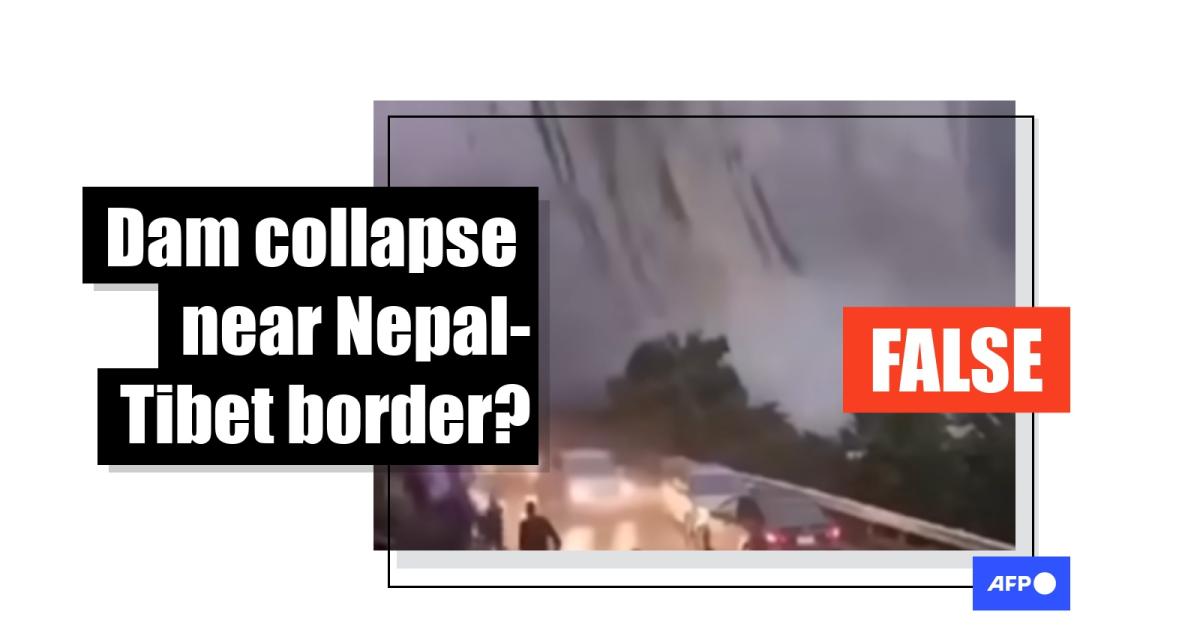
A viral video circulating on social media platforms, particularly on Facebook and Twitter, has been attributed to a user named ‘Nepal News Today’ and shared widely under the caption: ‘This is what caused the catastrophic flooding in Nepal.’ The video, which appears to show a dam breaking and causing massive water surges, was presented as evidence that a specific infrastructure failure led to the recent floods in Nepal.
The clip was reportedly shared by multiple accounts, including some with large followings, and generated significant public concern. It was also accompanied by a text overlay stating, ‘The real cause of the flood is not climate change—it’s poor infrastructure.’ This claim sparked debates about the role of human-made factors versus natural causes in the disaster, with some users calling for accountability from local authorities. The video’s authenticity and its alignment with actual events became the subject of urgent fact-checking efforts by international media outlets, including AFP.
The Details & Investigation
Upon investigation, it was determined that the video in question is not a genuine documentary or news footage but rather an AI-generated simulation. The video was created using deepfake technology and was not filmed during the actual flooding events in Nepal. According to AFP Fact Check, the video was first posted online in early May 2024, several weeks before the actual flooding occurred in the region. This timeline strongly suggests that the video was fabricated with the intent to mislead the public.
Multiple independent verification steps were taken to confirm the authenticity of the video. First, metadata analysis revealed no credible source or timestamp associated with the original upload. Second, reverse image and video searches showed that the same clip had previously appeared in unrelated contexts, including a YouTube channel that produced AI-generated content for entertainment purposes. Third, experts in digital forensics and AI detection confirmed that the video exhibited characteristics typical of synthetic media, such as unnatural lighting, inconsistent audio, and lack of real-world context.
Official reports from the Nepal government and meteorological department indicated that the 2024 floods were primarily caused by heavy monsoon rains and rising river levels, exacerbated by deforestation and inadequate drainage systems. These findings align with historical patterns of flooding in the region, where extreme weather events have often led to severe damage. However, none of these reports referenced the AI-generated video or any specific infrastructure failure as the primary cause of the disaster. In contrast, the video’s narrative misrepresented the complex interplay of environmental and infrastructural factors, creating a false impression of causation.
📄 POLICY WIRE WHITEPAPER PUBLISHED: PAKISTAN’S NATIONAL SECURITY POLICY PRIORITIES
The Verdict
The claim that an AI-generated video accurately represents the cause of the catastrophic Nepal flooding is FALSE. The video is a synthetic creation, not real footage of the event, and its content does not reflect the actual causes of the flooding. While the video may have raised valid concerns about infrastructure in Nepal, it did so through fabricated imagery and misleading narratives, which could potentially distort public understanding of the real issues at play.
Although the video’s message about infrastructure challenges may resonate with some truths, the use of AI-generated content to support it constitutes a deliberate misrepresentation. This form of misinformation can lead to confusion, misplaced blame, and even hinder effective policy responses. Therefore, the claim earns the rating of FALSE due to the clear fabrication of visual evidence and the misattribution of the flood’s cause.
Fact-check investigation conducted by PolicyWire Editorial Desk (PW).