


Serena’s Curtain Call: When Legends Defy Time, and Lose Gracefully
POLICY WIRE — London, UK — The hush on Centre Court, thick with the scent of mown grass and faded glory, lasted perhaps only a moment after the final point. But in that sliver of quietude, something...

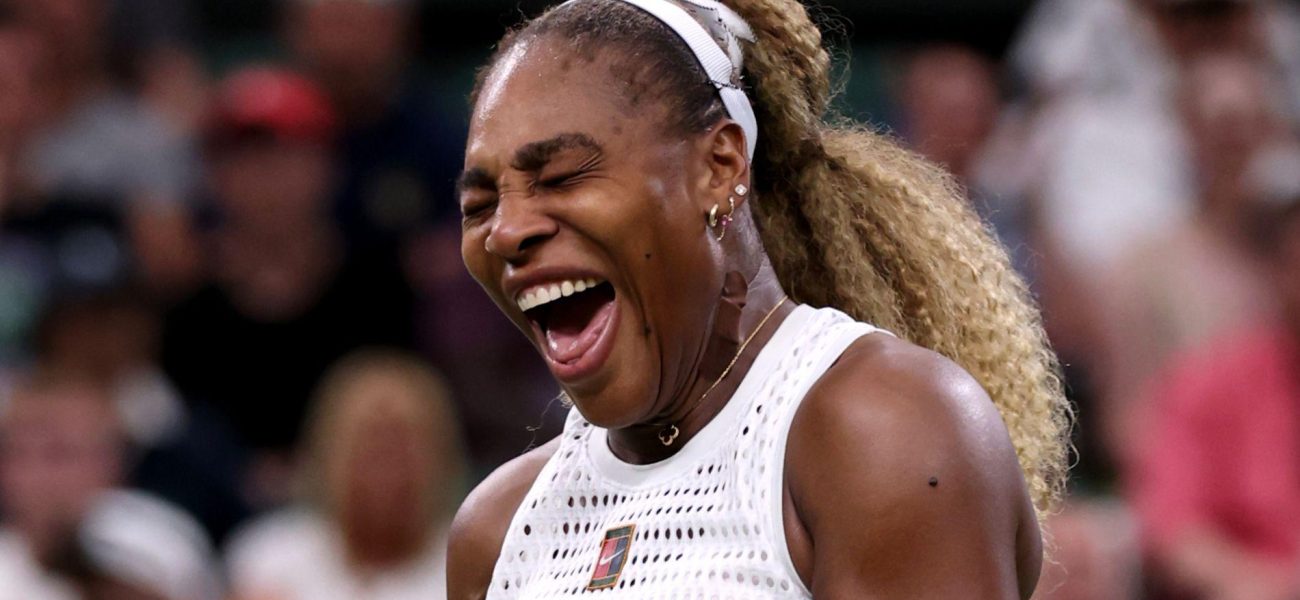
POLICY WIRE — London, UK — The hush on Centre Court, thick with the scent of mown grass and faded glory, lasted perhaps only a moment after the final point. But in that sliver of quietude, something far more significant than a mere tennis match loss resonated. Serena Williams, a name synonymous with power, persistence, and frankly, perfection on these very lawns, walked off, defeated yet again. Not by a slump, not by scandal, but by time—and a twenty-year-old Australian, Maya Joint, who just didn’t get the memo that legends aren’t supposed to fall so… humanly.
Her grand return to Wimbledon, 1,462 days after what many swore was her swan song, felt less like a comeback and more like a determined act of defiance. And isn’t that just classic Williams? The world had seen her “evolve” away from the sport—a carefully curated corporate phrase for retirement—only for her to stride back, 44 years old, chasing a whisper of that old fire. She faced Joint, a woman literally half her age, in a contest that, for much of its duration, wasn’t about who won, but whether the goddess could still bleed on Centre Court.
And bleed she did, not literally, but in every strained stretch — and gasping retrieve. Her body, once an unbreakable machine, now clearly negotiating terms with its formidable occupant. But she didn’t just roll over. Not Serena. She dug in, saving a match point—one of her trademarks, if we’re honest—to drag a decider out of a young woman’s dream. It’s almost as if she couldn’t help herself, couldn’t deny the crowd, or perhaps, herself, one last full measure of competitive fury.
“I didn’t get much sleep last night, I was up until 2am just thinking about it,” Joint, still a bit stunned, admitted post-match. “Walking out, I forgot the warm-up, my legs weren’t moving. I really don’t know what to say right now. I don’t know what just happened.” A perfect, unvarnished reaction. For Williams, the narrative was more practiced. “It was really great to be back at Wimbledon,” her statement read. “I never expected to be here. The atmosphere was amazing. Walking out was amazing. I definitely relished it — and missed it and enjoyed the moment more than anything.”
You can’t really fault either sentiment, can you? One a rising star utterly shell-shocked by the encounter; the other, an elder stateswoman soaking in the applause, perhaps for the very last time in singles play. It’s a curious intersection, this—the twilight of an athlete’s career bumping up against the nascent dawn of another. For a quarter-century, Williams commanded a global stage, her presence inspiring countless aspiring athletes, especially women, from bustling Jakarta to Lahore’s quieter corners. She represents not just athletic prowess, but also fierce independence and commercial savvy, an archetype that transcends mere sports results and forms a powerful, aspirational symbol for young women even in societies where such ambition might face cultural friction. Just look at the exploding viewership for major sporting events in South Asia, where female athletes, driven by global role models, are increasingly breaking traditional molds.
But the numbers don’t lie, not forever anyway. Williams, having dominated the sport for years, was attempting this Herculean effort well past her prime. According to a 2023 report from Nielsen Sports, global media rights for women’s sports have surged by 23% in just the last three years, largely driven by the broader appeal of established stars and the aspirational narratives they embody.
📄 POLICY WIRE WHITEPAPER PUBLISHED: PAKISTAN'S NATIONAL SECURITY POLICY PRIORITIES
👉 READ BY CLICKING HEREBut why come back? Why risk the sheen of an almost untouchable legacy? Because the alternative, the quiet exit, just didn’t quite sit right. Not for someone like her. “The pull of the spotlight, that competitive adrenaline, it’s a powerful drug,” observed Chris Evert, a fellow tennis titan. “When you’ve lived for the roar of the crowd, for those high-stakes moments, it’s incredibly hard to just flip a switch and be content with garden parties and grand-daughter’s recitals.” She’s not just playing for personal glory now, but for a very public affirmation—a demonstration of enduring spirit to her young daughters watching from the box. A silent lesson in tenacity, perhaps, that some battles are worth fighting even if you don’t always win.
What This Means
Serena’s defiant return, despite the first-round exit, isn’t a failure; it’s a masterclass in the ‘legend economy.’ The sheer buzz her name generates translates directly into ticket sales, broadcast figures, and sponsorship value. Brands aren’t just buying wins; they’re buying narrative—the enduring struggle, the audacious comeback. It’s a commercial formula that understands human psychology: we love to watch greatness, even as it struggles. And that struggling greatness, especially from a figure like Williams, arguably inspires more viewership and interest than another predictable win by a lesser-known champion.
Her story becomes a proxy for broader discussions about ageism, female athleticism, and the shifting dynamics of global sports marketing. Her continued presence, even in a diminished capacity, anchors the sport, provides invaluable continuity for marketing women’s tennis, and offers a visible blueprint for younger players (and their agents) on how to build and maintain a global footprint far beyond the court. Her legacy isn’t solely defined by her twenty-three Grand Slams—it’s also about the raw, sometimes painful, beauty of showing up, again and again, long after others would’ve packed it in. That, as any astute market analyst will tell you, has its own profound, if intangible, value.