


Beyond the Headlines: Germany Grapples with the Ghosts in its Youth Facilities After Fatal Shooting
POLICY WIRE — BERLIN, GERMANY — Six bodies. Six young lives snuffed out in a place that promised a future, however uncertain. That’s the cold math unfolding in a quiet German suburb, where a...

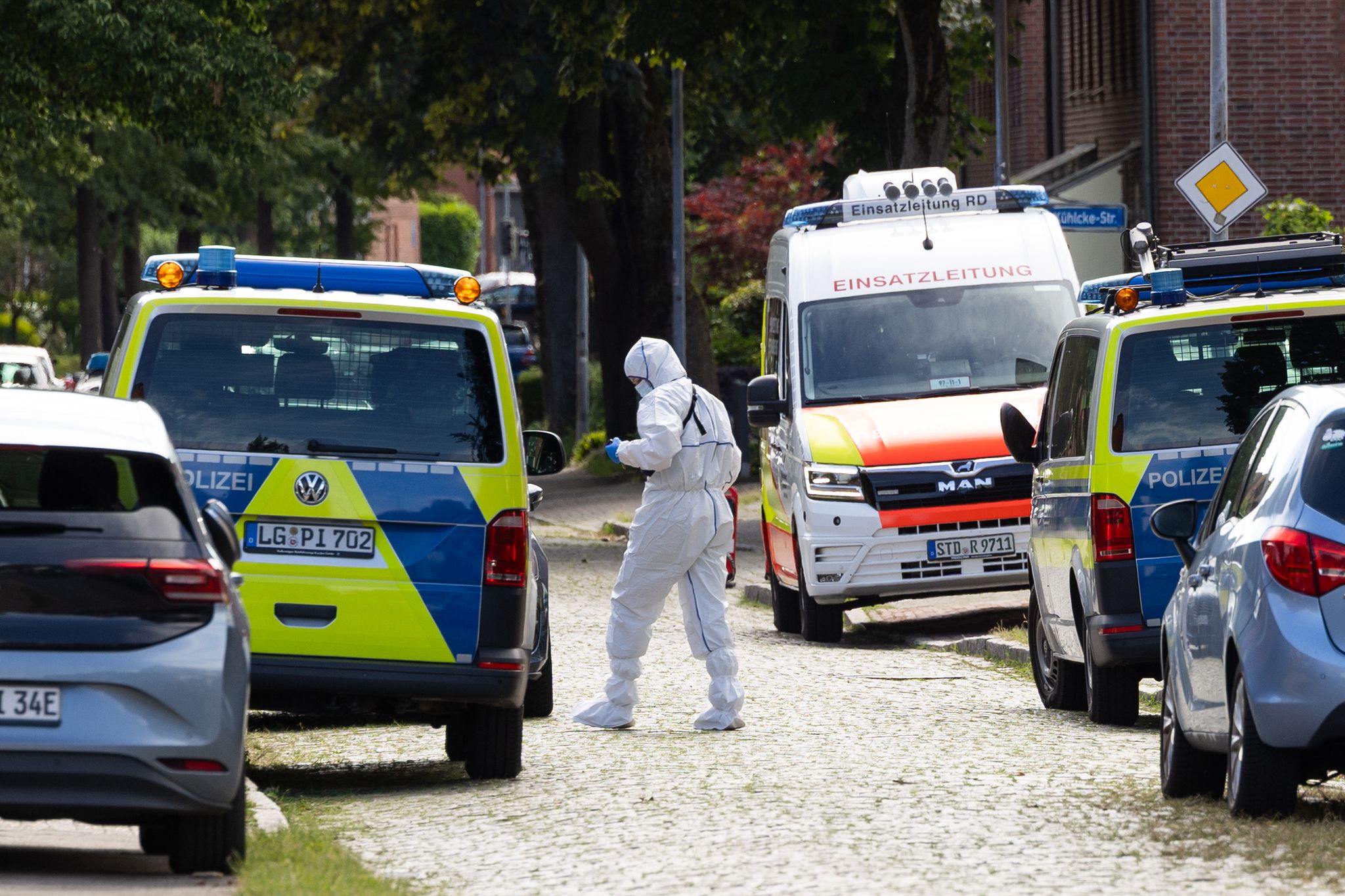
POLICY WIRE — BERLIN, GERMANY — Six bodies. Six young lives snuffed out in a place that promised a future, however uncertain. That’s the cold math unfolding in a quiet German suburb, where a recent shooting at a youth support facility hasn’t just spilled blood; it’s punctured a pervasive, if sometimes flimsy, sense of security. And it’s left policymakers grappling with the kind of insidious fractures that conventional policing — effective as it’s in many regards — can’t quite mend. This isn’t just about bullets — and victims; it’s about what we thought we knew, and what we clearly didn’t.
Details remain frustratingly scarce, drip-fed by authorities cautious of compromising an ongoing, intensive probe. We know six individuals, presumed to be residents or staff, died. We know it happened inside a state-subsidized institution, designed to shepherd young people—often those navigating difficult pasts or challenging social circumstances—towards a more stable horizon. Because, let’s face it, Germany doesn’t just ‘do’ institutional care lightly; there’s always a heavy bureaucratic hand, often well-intentioned, striving for order.
The tragedy—let’s call it that, because what else could it be?—unfurls against a backdrop of increasing strain on social services across Europe. Places like this facility, often unseen by the wider public, serve as crucial shock absorbers for society’s most vulnerable. But even these vital buffers, it seems, aren’t immune to outbreaks of extreme violence. This wasn’t some back-alley drug deal gone wrong; it was, by all accounts, an unthinkable intrusion into a sanctuary.
German Federal Minister of the Interior, Nancy Faeser, didn’t mince words. Speaking from Berlin, her voice tight with official solemnity, she declared, "This barbarism demands our absolute resolve. We simply cannot permit our youth, especially those we’re tasked with protecting, to become casualties of such senseless acts. Every avenue, from stricter weapon controls to bolstering our social interventions, must now be explored." But her words, while firm, carry the weight of policy discussions already mired in parliamentary inertia, particularly when it comes to gun laws, which are already fairly restrictive by global standards. And yet.
Indeed, official statistics from the German Federal Criminal Police Office (BKA) indicated a 7% increase in violent crimes involving individuals under 21 nationwide between 2020 and 2022, signaling a worrying trend that belies the nation’s generally low crime rates compared to some Western counterparts. But stats rarely tell the full, terrifying story of something like this.
Meanwhile, local community leaders are grappling with the direct fallout. Ibrahim Khan, spokesperson for a prominent interfaith council in the region and an active voice for immigrant families, particularly those from South Asia and the broader Muslim world who form a significant part of the area’s population, spoke with a mix of grief and exasperation. "These kids," he said, shaking his head, "they often arrive here carrying more baggage than any child should. They look to places like this for a fresh start. When that hope is so brutally extinguished, what message does that send? Our mosques, our community centers, we work tirelessly to build bridges, to integrate. This just tears them down." He didn’t need to specify; everyone understood the implicit fear of rising xenophobia, of collective blame always lurking beneath the surface.
The incident forces us to confront not just the security aspects, but the intricate weave of social fabric in modern Germany. It’s a society trying to integrate millions of people from diverse backgrounds—economic migrants, refugees fleeing war, families seeking opportunity—into its famously structured world. These youth facilities are often at the front lines of that integration effort, managing complex individual needs and, sometimes, deeply ingrained traumas. The stakes, it’s fair to say, couldn’t be higher. One can almost hear the political wheels grinding, not just in Berlin, but across regional state houses, all suddenly very interested in the often-overlooked budgets of these silent, sprawling institutions. Perhaps this will finally spark a deeper dive into how societal resources are allocated.
What This Means
The German youth facility shooting is more than a localized tragedy; it’s a tremor along existing fault lines in German and, by extension, European social policy. Politically, expect an immediate, albeit performative, push for heightened security measures, even in settings traditionally viewed as non-threatening. This will inevitably fuel debates about balancing personal freedom with collective safety, a perennial European tug-of-war. Economically, resources will likely be diverted, potentially straining other social programs as public funds are redirected towards beefing up security apparatuses in care facilities—a costly proposition. It’s a short-term reaction, probably, rather than a genuine long-term investment in root causes. But then, governments usually do what’s politically expedient, don’t they?
The broader implications revolve around integration — and community cohesion. For communities with a high proportion of immigrants, particularly those from the Muslim world, such incidents, especially if perpetrator details emerge that can be leveraged by populist narratives, can exacerbate feelings of alienation or become fodder for right-wing rhetoric. This makes the job of community leaders like Khan even more arduous. The challenge now isn’t just to heal the immediate wounds but to prevent the corrosive cynicism from taking hold, and to keep building those fragile, hard-won bridges that link disparate groups in a society struggling with its own identity in a rapidly changing world.