Beijing’s Boogeyman: Exile Billionaire’s Epic US Fall, a Warning Shot Heard in Karachi
POLICY WIRE — New York, United States — Turns out, Uncle Sam’s long arm isn’t just a figure of speech. Not when you’re talking about billions—and an alleged trail of deceit that reaches across...

POLICY WIRE — New York, United States — Turns out, Uncle Sam’s long arm isn’t just a figure of speech. Not when you’re talking about billions—and an alleged trail of deceit that reaches across continents. Folks always think money buys you everything, doesn’t it? Apparently, it can’t buy immunity from American justice if you play your cards wrong on its turf. Even for the most connected of the super-rich, a federal prison cell became the unexpected final destination, far from the gilded cages they might’ve built for themselves.
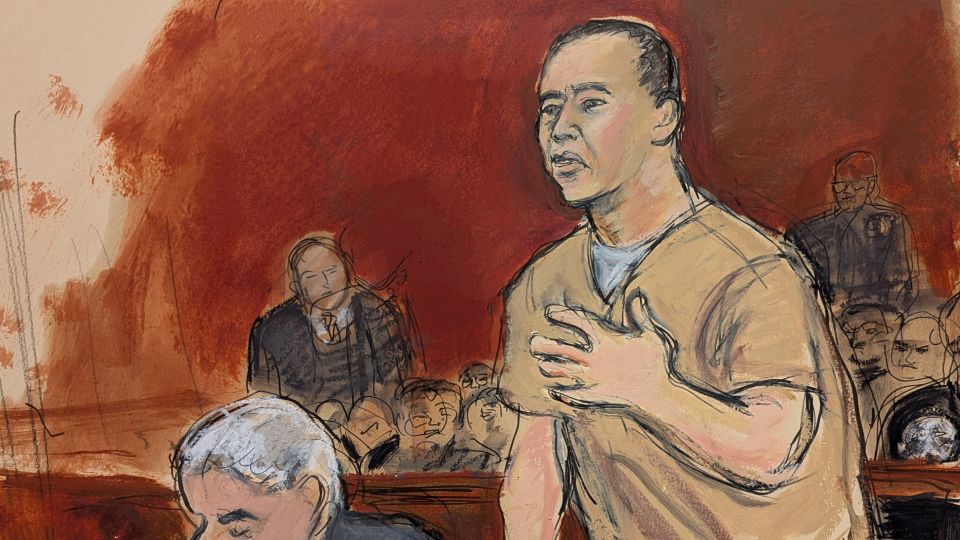
It’s not often a high-roller, particularly one who made their fortune amidst China’s often opaque economic landscape, ends up behind bars for three decades on American soil. But this self-exiled Chinese billionaire did, handed a sobering 30-year sentence this week in a U.S. federal court for an immense fraud scheme. This wasn’t some minor league heist, mind you; it was a sprawling, digital-age con job, affecting tens of thousands of ordinary investors who bought into grand promises and slick presentations, ultimately seeing their savings vanish like smoke. [QUOTE_PLACEHOLDER]
The Feds laid out a case alleging he orchestrated what the prosecution called fraudulent investment schemes and hawked worthless crypto and media ventures. The sum involved? North of a billion dollars, as prosecutors claimed. Picture that kind of cash, moving silently, unseen, until the whole house of cards collapses. It’s a sobering illustration of how rapidly fortunes can be amassed—and just as quickly stripped away when the law comes calling. The sheer scale, officials stated, made it an operation designed to separate unsuspecting victims from their cash, plain and simple.
And let’s be real, his high-profile denunciations of Beijing’s communist regime, broadcast from his comfortable perch in the West, once seemed like an armor. Many dissidents fleeing authoritarian rule, whether from Beijing or Islamabad, often seek not just sanctuary but a platform. For a long while, it appeared his vocal criticisms offered a degree of political insulation. But that kind of political theater, it appears, doesn’t always wash away accusations of criminal malfeasance when the U.S. government decides to investigate financial misconduct on its home turf. Because when financial impropriety runs this deep, domestic laws—not geopolitical allegiances—take precedence.
His story serves as a potent reminder that while many from nations like Pakistan, Turkey, or China seek refuge or operate internationally, the U.S. justice system views any fraudulent activity impacting its citizens or markets with severe gravity. The notion that one can use political dissent as a shield against purely financial charges in a Western legal system is, to put it mildly, significantly challenged by this verdict. It’s a stark awakening for anyone operating in those gray areas where business, politics, and offshore finance blur together. And many powerful individuals across South Asia and the Muslim world, no doubt with their own assets abroad, are surely taking notes right about now.
The details emerging from the trial painted a picture of calculated deception, with funds allegedly funneled through an elaborate network. It’s a playbook familiar to many who’ve watched global financial scams unfold, yet the sheer audacity here, the sheer lack of any seeming concern for regulatory oversight, was noteworthy. According to a U.S. Department of Justice report, losses from elder fraud alone exceeded $3.1 billion in 2022, underscoring the significant vulnerability of populations to such large-scale deception. This conviction, then, isn’t just about one man; it’s about a wider global phenomenon where quick riches trump legal ethics, targeting vulnerable communities globally.
What This Means
This lengthy sentence isn’t just about punishment; it’s a policy statement, loud — and clear. For one, it strengthens the U.S. as a global financial watchdog, signaling that its regulatory arms have long reach. It tells foreign elites, particularly those who operate with impunity in their home countries, that parking ill-gotten gains or running schemes from American soil comes with real, potentially crushing, consequences. Don’t expect your perceived political utility to magically absolve you from financial crimes here; the American justice machine works on its own timetable, and often, by its own rules. This particular billionaire might have believed his media empire, which included claims about uncovering corruption, would shield him. It didn’t. This outcome will, without a doubt, cause jitters among other exiles — especially those with considerable wealth and questionable origins — who’ve settled comfortably in Western countries. It changes the risk assessment. Perhaps profoundly. They’ll have to re-evaluate their positions.
The geopolitical ripple effect is also worth considering. Beijing, which has sought this individual’s return for years on its own set of charges, now sees a long U.S. imprisonment rather than repatriation. This verdict subtly reinforces the narrative of Chinese financial wrongdoing, yet it simultaneously denies Beijing a propaganda win of retrieving one of its most high-profile critics. It’s a messy outcome for them, neither fully satisfactory nor outright detrimental. From an economic perspective, this sort of high-profile prosecution reinforces global calls for greater transparency in cross-border financial flows, an issue that regularly vexes nations from Southeast Asia to the Middle East. After all, capital flight, asset concealment, and intricate money laundering networks are hardly unique to Chinese billionaires. Many emerging economies grapple with their own versions of this, hindering domestic development — and stability. And this sort of definitive action by American authorities gives those calling for stricter global financial governance a bit more leverage. But, crucially, it also poses questions for other Western nations who sometimes host similar figures—whether their judicial systems are as robust, or as willing, to pursue financial misconduct with this level of resolve. It’s a global call to action, whether leaders acknowledge it or not. The world’s elite won’t look at America the same way after this. They simply can’t.