


Gig Economy’s Iron Gauntlet: Congress Debates Immunity for Rideshare Titans
POLICY WIRE — WASHINGTON D.C. — Imagine hopping into a vehicle, swiping a few times, and arriving at your destination. It’s a convenience that’s morphed into daily routine for millions,...

POLICY WIRE — WASHINGTON D.C. — Imagine hopping into a vehicle, swiping a few times, and arriving at your destination. It’s a convenience that’s morphed into daily routine for millions, fundamentally reshaping urban transit and even how folks think about employment. But what happens when that seemingly seamless experience goes terribly wrong? Who shoulders the blame when safety falters, — and profits seemingly trump protection? A seemingly innocuous amendment tucked into a colossal federal spending package has thrown that very question into the harsh D.C. spotlight, drawing battle lines between powerful tech giants — and a coalition of victim advocates.
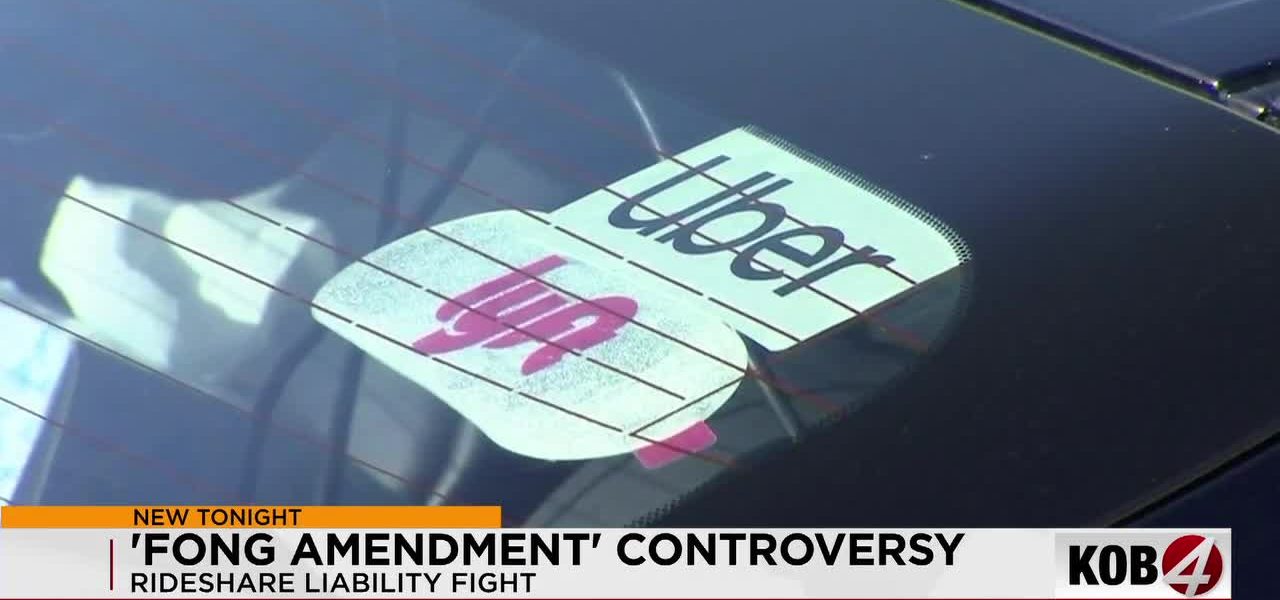
It’s called the Fong Amendment, named after its sponsor, and it’s buried within the ambitious, eye-watering “Build America 250” Act—a proposed $580 billion transportation beast currently navigating the House. The intent, at least according to its proponents, is simple: stop the barrage of what they label as ‘frivolous’ lawsuits. They argue it’s about shielding innovators like Uber and Lyft from financially crippling legal entanglements, keeping the wheels of the modern gig economy spinning.
But opponents? They’re seeing red. They’re calling it what it’s, they say: a brazen liability shield. It’s an attempt to let these companies off the hook entirely, disconnecting them from the direct fallout when a passenger gets assaulted or a driver gets hurt. We’re not talking about minor fender-benders here. Because when you consider the scale—the sheer number of human interactions happening in these vehicles every day—the potential for grave harm becomes clear, even stark.
And the numbers? They don’t exactly paint a rosy picture for the companies pushing this legislative maneuver. A shocking New York Times investigation, published last year, dug deep. It revealed more than 400,000 reports of sexual assault or misconduct stemming from Uber trips between 2017 — and 2022. That’s a statistic that can’t just be swept under the rug as ‘bad luck’ or isolated incidents. That’s a pattern. That’s systemic.
“They’re not asking for protections against flimsy claims; they’re seeking outright immunity from their responsibility for maintaining a safe environment,” explained Johana Bencomo, a seasoned advocate with New Mexico Safety Over Profit, a group dedicated to holding corporations accountable. She’s watching this bill with particular concern. “We know that harm is happening — and survivors are taking their cases to court, and they’re winning. And because they’re winning, Uber is now trying to rewrite the laws so that they can be skirted from that liability, because at the end of the day, it’s about profit.”
A staggering 285 women state legislators across the nation, including a determined contingent of nine from New Mexico, didn’t mince words either. They fired off a scorching letter to Speaker of the House Mike Johnson. “Under no circumstances should any corporation be shielded from liability for sexual assault,” their missive declared. It’s a plain, unequivocal statement that hits hard.
The core contention here, it’s not some abstract legal debate. It boils down to everyday folks using these services to get to work, run errands, or simply make it home safe after a late night out. For many, especially in places with sparse public transit, rideshares have effectively become an extension of local infrastructure. “But in order for this tool to be a successful economic development driver in our community, it also has to be safe for the riders and for the drivers,” Bencomo emphasized, her voice thick with conviction.
The proposed amendment would theoretically leave individual drivers open to lawsuits. But critics rightly point out the obvious: an individual driver, a working person, rarely possesses the personal wealth or robust insurance coverage to meaningfully compensate someone who’s suffered profound trauma or injury. Corporations, on the other hand? They often do.
“We’ve got states like Colorado passing their Rideshare Safety and Accountability Act, bolstering background checks and improving reporting. Virginia and Nevada have also introduced survivor-centered legislation,” noted Representative Sheila Jackson Lee (D-TX), an outspoken critic of the Fong Amendment, during a recent press briefing. “Now this federal overreach threatens to undo all that progress, creating a wild west scenario just to pad corporate bottom lines. It’s an unacceptable proposition for consumer safety.”
This isn’t just an American dilemma, mind you. You see echoes of this push for corporate insulation in nascent gig economies across the globe. Take Pakistan, for instance, a nation grappling with its own evolving digital service sector. The question of how to regulate powerful, globally-reaching tech platforms—ensuring user safety while fostering innovation—is a policy knot policymakers there are still trying to untangle. If the U.S. — the market many of these platforms are born from — sets a precedent that privileges corporate shields over user accountability, you bet other nations will take notice. They’ll cite it. It creates a framework where the powerful can just shrug off culpability, a silent erasure of responsibility.
What This Means
The Fong Amendment isn’t just legislative jargon; it’s a direct assault on the concept of corporate accountability, packaged within a ‘must-pass’ infrastructure bill. Politically, if this amendment survives, it sets a chilling precedent. It would signal to major corporations across sectors that a well-placed lobbying effort—and enough financial muscle—can effectively rewrite the rules of liability. For survivors of assault or injury, it would shut a critical door to justice, forcing them into costly, often fruitless battles against individual contractors rather than the deep pockets of the companies benefiting most.
Economically, while proponents crow about ‘unburdening innovation,’ the real fallout could be increased risk for consumers and, ironically, less long-term trust in these platforms. If passengers feel these services aren’t safe — and that companies aren’t responsible, ridership could well take a hit. And that’s a cost they probably haven’t factored into their quarterly reports. It’s a calculated gamble on human cost versus profit margins, and right now, the House has a chance to call their bluff.