Papering Over Cracks: US-Brokered Deal Leaves Lebanon Teetering
POLICY WIRE — Beirut, Lebanon — Peace, they say, isn’t always quiet. Sometimes, it screams, particularly when it’s shoved down a nation’s throat by external forces, papering over...

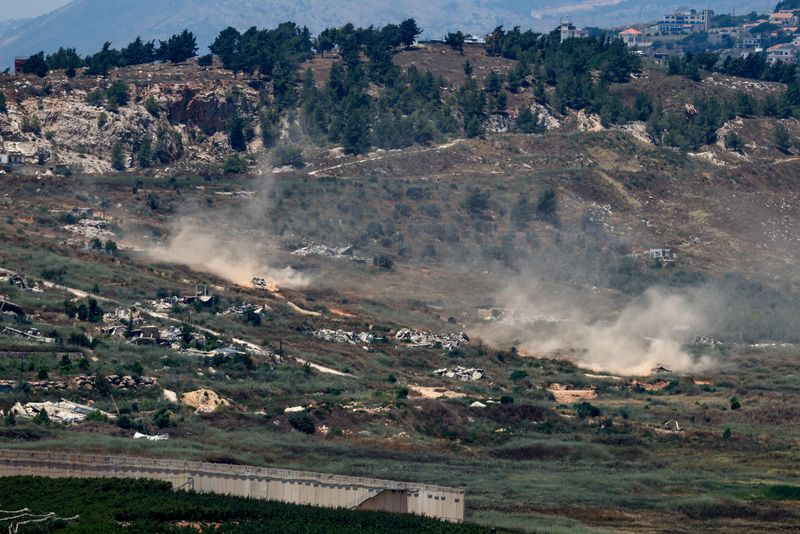
POLICY WIRE — Beirut, Lebanon — Peace, they say, isn’t always quiet. Sometimes, it screams, particularly when it’s shoved down a nation’s throat by external forces, papering over resentments that run bone-deep. That’s the gist emanating from Beirut this week, where a freshly minted, U.S.-brokered maritime border deal with Israel—touted by some as a balm for Lebanon’s economic anguish—has landed with all the grace of a dropped anvil.
It’s meant to unlock hydrocarbon riches. It’s meant to stabilize a volatile frontier. But the back-slapping from Washington and Tel Aviv isn’t resonating with everyone in Lebanon’s fractured political landscape. A senior parliamentary figure, someone with decades observing the nation’s tightrope walk, isn’t just concerned. He’s furious, calling the agreement a backroom betrayal that won’t unify but will, instead, widen the very fissures threatening to rip the country apart.
“We can’t simply trade away our sovereignty and future prosperity for a fleeting moment of calm dictated by external powers,” raged MP Gebran Bassil, a prominent figure in the Free Patriotic Movement, during a fiery parliamentary session that felt more like a street brawl than deliberative assembly. “This isn’t diplomacy; it’s concession under duress. We’re being told to cheer while crucial lines are redrawn—lines that will dictate our children’s economic fate for generations.” Bassil, whose political bloc often allies with Hezbollah, hasn’t minced words about the arrangement. And his frustration isn’t an isolated incident; it’s a symptom of deeper unease about external interference.
But the Biden administration, keen to show off its diplomatic muscle in a region that’s famously unyielding, isn’t backing down. U.S. Special Envoy David Satterfield, a seasoned diplomat well-acquainted with the region’s intricacies (and its headaches), dismissed the criticisms as short-sighted political posturing. “This agreement, after years of painstaking negotiations, represents a pragmatic path forward for both nations,” Satterfield told Policy Wire in a terse, almost exasperated briefing. “It’s about establishing clear economic zones, allowing Lebanon to tap into its offshore energy potential. It’s not a peace treaty; it’s a pragmatic economic agreement that helps prevent future conflict over shared resources. We’re talking about billions for Beirut—something I’d think they’d appreciate, given the dire straits.”
Dire straits, indeed. Lebanon’s economy remains a charred wreck. The World Bank reported Lebanon’s GDP contracted by an estimated 58% between 2019 and 2021, one of the sharpest contractions globally. It’s a financial black hole, swallowing middle-class savings — and spitting out desperation. The deal, then, presents a classic dilemma: a possible lifeline with geopolitical strings attached, or staunch principle leading to prolonged privation? This particular calculus hits home across the broader Muslim world, where sovereignty and resource control—especially vis-à-vis Israel—are eternally charged subjects, often fueling political brawls from Islamabad to Tehran.
But pragmatism in diplomacy is a fickle beast, isn’t it? Especially when historical grievances — and the ever-present shadow of geopolitical chess masters loom large. Many observers inside Beirut and across the Arab street view any direct agreement with Israel, even one framed purely in economic terms, with suspicion. It’s not just about what’s gained; it’s about what’s conceded, even if implicitly. For a nation like Lebanon, forever a delicate balancing act of sectarian power—where Sunni, Shia, Christian, and Druze communities often eye each other warily—these external deals can, ironically, act like internal fault lines.
📄 POLICY WIRE WHITEPAPER PUBLISHED: PAKISTAN'S NATIONAL SECURITY POLICY PRIORITIES
👉 READ BY CLICKING HEREBecause the real battle isn’t just about gas fields. It’s about legitimacy. It’s about who gets to speak for Lebanon, who gets to sign on its dotted line. It’s about factions leveraging external arrangements to bolster their internal standing or to undermine their rivals. This isn’t just Beirut’s problem. Just look to Pakistan’s historical tightrope walk between regional powers; even seemingly simple border security arrangements there often hide deeper political maneuvers and internal dissensions. And these sorts of pressures—economic despair meets geopolitical muscle—rarely produce truly harmonious outcomes. More often than not, they kick the can of conflict further down the road, waiting for a more convenient moment to explode.
What This Means
The U.S.-brokered deal, while ostensibly a step towards economic stability for Lebanon, almost certainly promises to destabilize its already fragile internal political ecosystem. For President Michel Aoun’s administration, pushing this deal through might have seemed like a necessary evil to access offshore gas wealth, hoping to avert total economic collapse and possibly secure a measure of international goodwill. But it empowers opposition groups—like those allied with Hezbollah—to frame it as capitulation, fueling narratives of national humiliation and loss of sovereignty. This division could hamstring any broader governmental reforms or reconciliation efforts desperately needed.
Economically, if gas extraction does proceed unhindered, it offers a sliver of hope for revenue generation. But the political instability sparked by the deal itself might scare off major international investors who are allergic to such high-risk environments. Regionally, the optics of another Arab state signing an agreement with Israel, however indirect, feeds into the narrative of a changing Middle East power dynamic, yet simultaneously emboldens elements who oppose any normalization whatsoever. This isn’t a silver bullet; it’s a double-edged sword, slicing through Lebanon’s potential while deepening the country’s oldest wounds.