

Caracas Crumbles: Quake Fallout Exposes Deeper Cracks in Venezuelan State
POLICY WIRE — Caracas, Venezuela — It wasn’t the oil prices, nor the relentless political machinations that finally forced a reckoning with the fundamental decay underfoot. No, it was the...

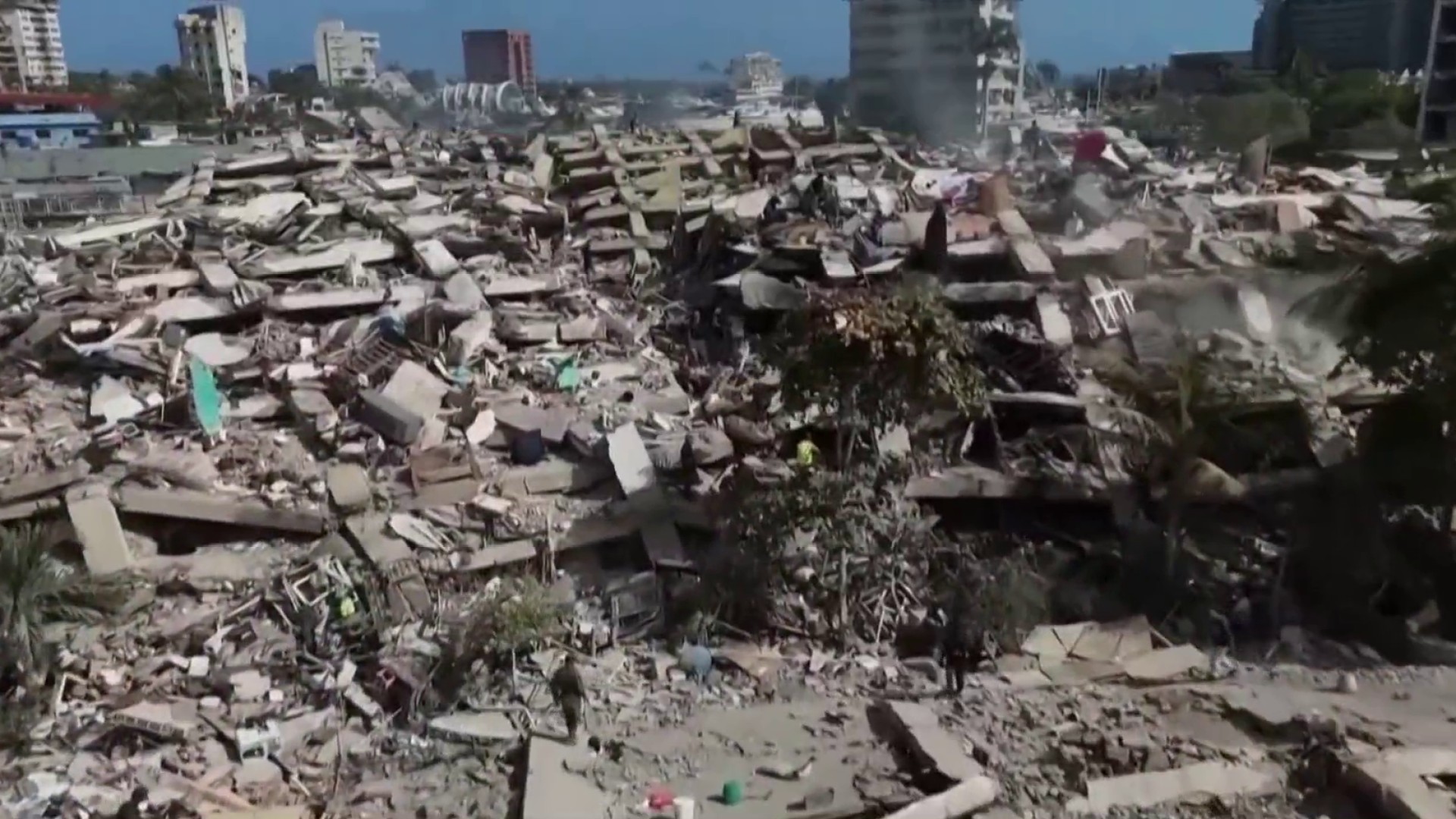
POLICY WIRE — Caracas, Venezuela — It wasn’t the oil prices, nor the relentless political machinations that finally forced a reckoning with the fundamental decay underfoot. No, it was the ground itself. Caracas, a city accustomed to myriad pressures—inflation, sanctions, political upheaval—now contends with the brute force of geology. The earth moved, — and it didn’t care for grand speeches or geopolitical posturing. What it left behind is a landscape of human tragedy and a harsh mirror reflecting a state stretched to its breaking point.
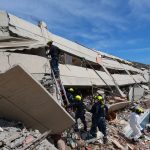
Weeks ago, before the tremors violently rearranged the nation’s priorities, the conversations in government halls were about petro-dollars and alliances. Now, they’re grim reckonings of structural integrity — and humanitarian logistics. The death toll, we’re told by official sources, has shot past 1,400. That’s not just a number, is it? It’s homes, livelihoods, and an immediate, agonizing demand on resources a nation can barely muster for everyday existence. And this tally—more than 1,400 lives lost—doesn’t even begin to quantify the silent suffering of the displaced, the injured, or those whose worlds simply ceased to exist under tons of rubble. [QUOTE_PLACEHOLDER]
Venezuela, already reeling from years of economic freefall, finds itself in an impossible bind. Its infrastructure, strained — and often neglected, proved no match for the seismic forces. Rescue efforts? They’re an almost Sisyphean task. International aid, typically a swift and robust response to calamities of this magnitude, has been—let’s be honest—patchy. There are complicated geopolitical threads woven into this, aren’t there? Who helps, how much, — and under what conditions. It’s never just about altruism; it’s about allegiances, leverage, and the cold calculus of diplomatic exchange.
The tragedy here, far from being an isolated incident, folds neatly into the nation’s ongoing saga of governance challenges. Public services were already brittle, the healthcare system an underfunded labyrinth. Now, a calamity of this scale exacerbates every pre-existing condition, laying bare the state’s diminished capacity. The tremors shake not only buildings but faith—in institutions, in resilience, and in the often-illusory promise of stability.
One might observe the unfolding crisis and recall a similar scramble for survival and reconstruction halfway across the globe. Remember the Bhuj earthquake in India back in 2001? Or Pakistan’s devastating 2005 Kashmir earthquake, which claimed tens of thousands of lives and permanently altered the region’s political landscape. These moments, while geographically distant, echo with a grim familiarity: the immediate, chaotic search for survivors, the struggle to house the homeless, the long, grinding process of rebuilding when resources are scarce and corruption often lurks just beneath the surface. It’s a bitter truth, isn’t it, that vulnerability to natural disaster often aligns neatly with institutional fragility.
But while the headlines momentarily fixate on Venezuela, one can’t help but note the world’s shifting gaze. Major crises often compete for attention, and resources—that’s a plain fact. With geopolitical hotspots sputtering in Europe and economic headwinds buffeting the West, sustained attention on Latin America’s quiet implosion can feel, well, like a luxury. Don’t think for a second the long-term ramifications aren’t already setting in.
What This Means
The fallout from this seismic event extends far beyond the immediate devastation. Politically, President Maduro’s government faces an acid test. Can it coordinate an effective, transparent, and empathetic relief effort, or will the disaster further expose the fissures in its authority and operational capability? The global community’s lukewarm response might be read internally as an abandonment, potentially driving Venezuela deeper into the orbit of allies willing to provide no-strings-attached support—or at least, support with less public scrutiny. For a nation already battling isolation, this could solidify geopolitical alignments that aren’t exactly conducive to democratic reform or international norms. Economically, reconstruction will demand an unprecedented commitment of funds — and human capital. This comes when the nation’s principal revenue stream—oil exports—remains throttled by sanctions and production challenges. It’s a cruel paradox, isn’t it? The ground shakes, — and so does the already unsteady scaffolding of the national economy. This isn’t just about rebuilding; it’s about preventing further decay, mitigating potential social unrest from prolonged suffering, and somehow, almost miraculously, finding a path toward stability in a region already ripe with volatility. One could even make a case that the human tragedy here, viewed through a cynical lens, presents a fresh negotiation point for Washington regarding sanctions relief. It’s messy, but that’s geopolitics, isn’t it?