


Ice Age Cache: How Antarctica’s Ancient Past Lingered Unseen in a London Drawer
POLICY WIRE — London, UK — For a staggering 37 years, it sat there. Not under layers of Antarctic ice, nor buried deep in some obscure geological stratum, but prosaically—almost absurdly—in a museum...

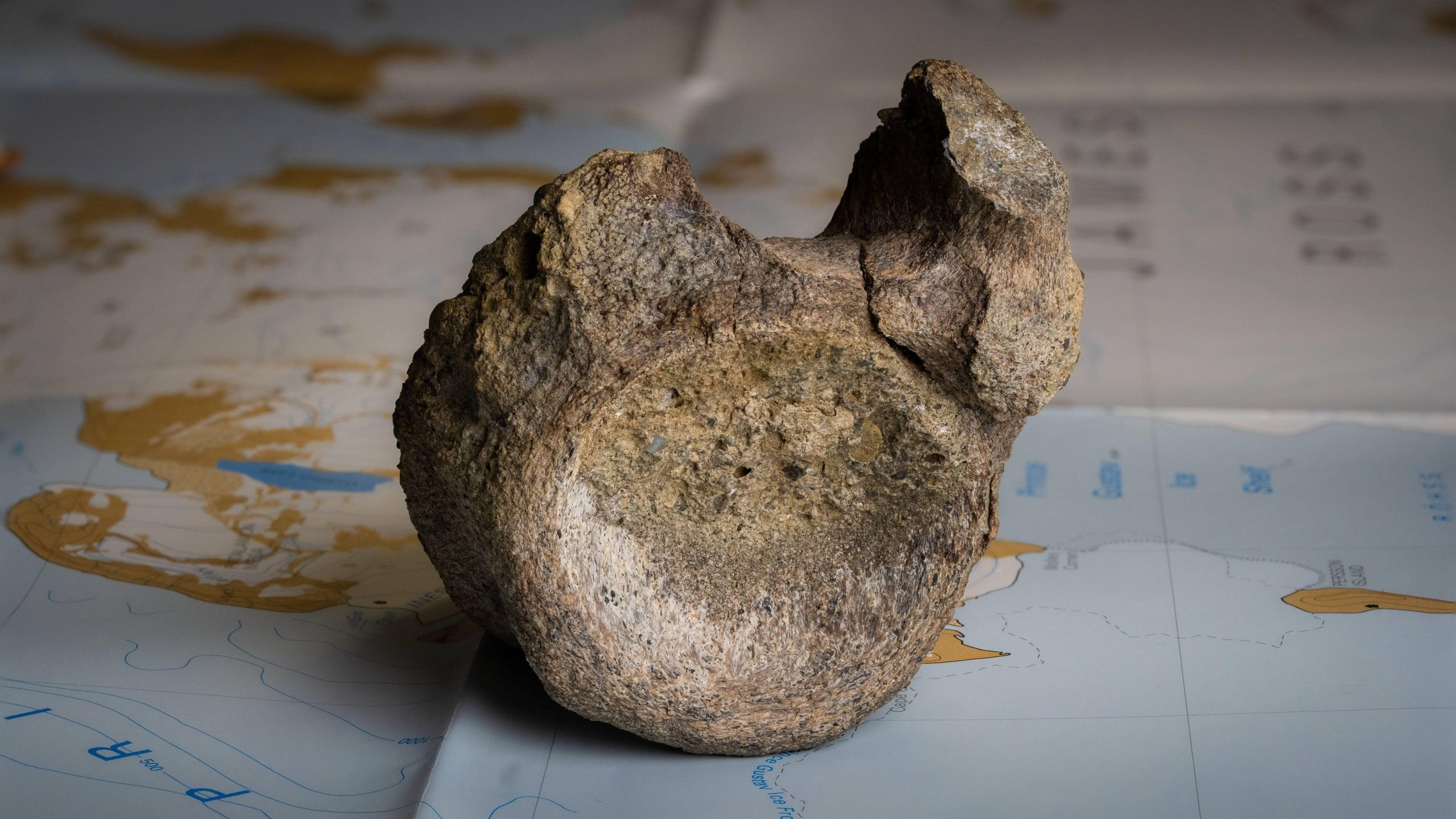
POLICY WIRE — London, UK — For a staggering 37 years, it sat there. Not under layers of Antarctic ice, nor buried deep in some obscure geological stratum, but prosaically—almost absurdly—in a museum drawer. The world’s first officially identified dinosaur bone from Antarctica, a breakthrough artifact with implications stretching back tens of millions of years, was a dusty, forgotten resident of London’s Natural History Museum. You couldn’t make this stuff up.
Discovered during a British Antarctic Survey expedition back in 1982, this ankle bone, likely from a medium-sized ornithopod, wasn’t exactly overlooked by novice field hands. It was collected, packed, shipped across oceans, and then, well, misplaced into the administrative ether of ‘things to process later.’ Later turned out to be late. Very late.
It’s a vignette that exposes the sometimes-chaotic underbelly of scientific endeavor, isn’t it? Years spent meticulously planning, enduring brutal conditions, all for a specimen to be filed away under ‘indeterminate reptilian bone fragments.’ And then, in a eureka moment born not of fresh discovery, but simple inventory checking, it was brought into the light by scientists poring over old collections. A palaeontological ghost, resurrected by good old-fashioned cataloging. Sometimes the quiet, unglamorous work yields the biggest prizes.
Dr. Evelyn Reed, a seasoned paleontologist at the University of Oxford, didn’t mince words. “It’s almost comical, isn’t it? Decades of funding debates, expeditions to the ends of the earth, and the Rosetta Stone of Antarctic paleontology was just sitting there, cataloged incorrectly. It redefines patience, doesn’t it?” she mused, a wry smile playing on her lips during a virtual conference. It suggests that perhaps our zeal for new findings sometimes blinds us to the wealth we’ve already amassed—or forgotten.
The bone confirms that dinosaurs once roamed the icy continent, not the frigid wasteland we know today, but a greener, more temperate land connected to a supercontinent called Gondwana. India, Africa, Australia, South America, — and Antarctica were all once neighbors. This shared ancient past offers stark contrast to current geopolitical divides. Pakistan’s volatile borders with Afghanistan, for instance, are very modern constructs. But the lands beneath them share an ancient geological narrative with this Antarctic fragment.
For Dr. Tariq Saleem, Director of the Global Climate Research Institute, the find carries a more contemporary message. “This isn’t just about ancient creatures; it’s a stark reminder of how our planet has changed, profoundly,” Saleem asserted. “It demands a more holistic, and frankly, a better-funded, approach to understanding Earth’s deep history and our own immediate future. And we’re not quite there yet. Imagine what else is waiting in museum backrooms or still buried beneath shifting ice sheets.” It’s a valid point; a recent survey showed that 60% of all museum collections worldwide remain uncataloged or are awaiting deeper analysis, a backlog that hides untold secrets, potentially for centuries more.
What This Means
This rediscovery—and that’s what it’s, really—doesn’t just fill a gap in our paleontological record; it pricks at bigger questions concerning the funding and organization of global scientific research. It shines a rather unflattering spotlight on institutional capacity versus scientific ambition. When institutions, even prestigious ones, struggle to process what they already have, how effective are grand pronouncements about future research endeavors? Don’t think for a second that this is an isolated incident. Budget constraints, dwindling personnel, and simply a deluge of material mean that countless specimens collected today might well face similar fates, relegated to glorified storage.
Economically, there’s no direct market impact from an ankle bone. But it does reinforce the broader argument for sustained, reliable funding for fundamental science—the kind that isn’t always immediately profitable but expands humanity’s understanding of its world. Overlooking such a piece of our planet’s heritage, even accidentally, suggests a systemic vulnerability. And frankly, this vulnerability has ripple effects across sectors, from climate modeling (understanding past climates requires all the pieces, doesn’t it?) to conservation efforts. We can’t hope to save what’s disappearing if we can’t even keep track of what we’ve already found from bygone eras. It’s not just a dinosaur bone; it’s a cold, hard lesson in bureaucratic oversight.