

After Spain’s Searing Blow, Wales’ Young Hopes Face Harsh Global Realities
POLICY WIRE — Cardiff, Wales — The raw numbers scarcely tell the story. A searing, seven-goal annihilation on home soil in a European championship opener—it’s a humiliation that reverberates...

POLICY WIRE — Cardiff, Wales — The raw numbers scarcely tell the story. A searing, seven-goal annihilation on home soil in a European championship opener—it’s a humiliation that reverberates far beyond the muddy pitches of youth football. But for Wales’ Under-19 squad, that 7-0 drubbing by Spain wasn’t just a scoreboard blip. It’s a mirror. A harsh, unflinching look at national sporting ambition colliding with cold, hard reality.
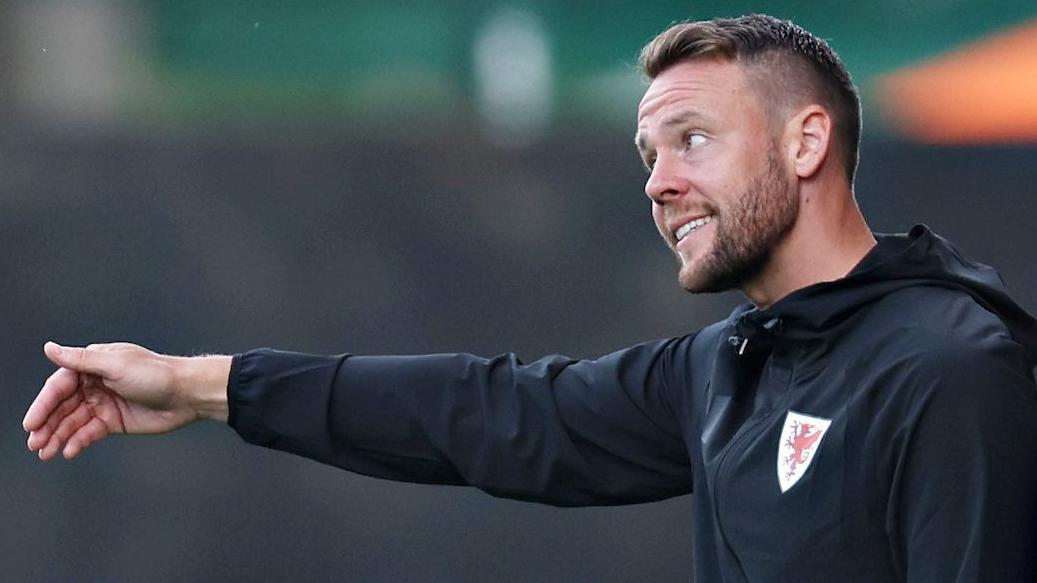
Chris Gunter, head coach and a man who earned his senior Wales stripes a staggering 109 times, now finds himself in a crucible of youth management. He’s got to pick up the pieces, — and fast. His young charges were utterly outmatched by the nine-time champions. Wrexham’s Stok Cae Ras, meant to be a stage for nascent glory, became instead an arena for a very public dissection. Spain didn’t just win; they exposed.
“Look, it’s not pretty, is it?” Gunter conceded to reporters, his voice a gravelly murmur after the match. “There’s time to hurt — and then, really quickly in football, you have to show back up and go again. But, this isn’t about blaming a kid or two. This is about acknowledging the gulf, the structural differences that allow a team like Spain to produce talent like they do, year after year.” He wasn’t wrong. The Spanish, it seemed, weren’t just better; they played a different game entirely.
Next up? Germany. No walk in the park. Gunter knows it. His job, he maintains, isn’t just about tactical tweaks. “We’ve gotta make some sense of it,” he reiterated, eyes reflecting the fatigue of a man who’s seen battles and won’em, “and ensure Wednesday brings a different outcome. It’s not magic words we’re saying; it’s a call for professional resolve.”
But can resolve bridge such a chasm? Wales, a nation of just over 3.1 million people (Office for National Statistics, 2023), invests significantly, sure, but their footballing ecosystem simply can’t compete with the gargantuan youth academies funded by Spanish behemoths like Real Madrid or Barcelona. They’ve got resources that would make most smaller nations—including those like Pakistan trying to nurture niche sports alongside their dominant national passion—green with envy. It’s a systemic disparity, not just a bad day.
“This isn’t merely about one game’s result,” chimed in Alun Davies, a long-serving fixture on the Welsh sporting council, his tone clipped. “It’s about the pipeline, the long-term vision. We can’t afford to let this moment define an entire generation. We’ve got to scrutinize how we identify, train, and retain talent in a globally competitive landscape, because frankly, our opponents aren’t sitting around waiting for us to catch up.” Davies’ words hang heavy, tinged with a quiet frustration that belies the immediate crisis.
Because that’s the brutal truth: youth football, especially at this elite European level, is no longer just a friendly competition between nations. It’s a statement of intent, an early skirmish in the ongoing battle for national prestige — and global soft power. Nations often project their geopolitical standing onto the sports arena. Think of the intense national focus on cricket in South Asia, particularly in Pakistan, where national identity is deeply intertwined with cricketing prowess. A similar, though smaller, cultural weight rests on Welsh football. A 7-0 defeat? It’s not just an embarrassment; it’s a policy failure. It makes headlines. It starts conversations in ministries, not just dressing rooms.
What This Means
This stark performance isn’t just a footnote in a youth tournament; it carries palpable implications for Wales’ sporting future and, by extension, its national narrative. Economically, repeated underperformance at these levels makes attracting further investment into youth development programs a tougher sell. Private sponsors, — and even governmental bodies, tend to favor success. There’s a tangible risk of a ‘brain drain’ of top-tier talent seeking opportunities in more resourced environments, effectively weakening the national pool even further. Politically, a successful national team, even at youth levels, serves as a significant source of national pride and unity. Its absence, or a marked failure, can quietly erode public confidence, however indirectly. It becomes fodder for commentary on national decline, even if unwarranted. For countries without endless oil wealth or massive tax bases, maximizing sporting investment against stiff global competition is a complex dance. This 7-0 scoreline doesn’t just ask Gunter to ‘go again’; it asks Welsh policy-makers to fundamentally re-evaluate their entire approach to competitive sport on the international stage. It’s an inconvenient truth that while passion exists in abundance, resources and strategic prowess often dictate the final score. And in that score, broader realities are writ large.