

Mamdani-Backed Candidates Notch Key Wins in NYC Democratic Primaries, Signaling Shifting Dynamics
POLICY WIRE — New York City, USA — The Democratic congressional primaries in New York this Tuesday delivered a palpable jolt to the city’s political establishme...

POLICY WIRE — New York City, USA — The Democratic congressional primaries in New York this Tuesday delivered a palpable jolt to the city’s political establishment. Three candidates, all beneficiaries of an endorsement from Assembly Member Zohran Mamdani, swept to victory, unequivocally demonstrating a deepening traction for the coalition that propelled Mamdani himself to a surprising win in the city’s mayoral race just last year. Their success signals more than mere individual wins; it suggests an emergent power shift within the local Democratic apparatus.
These contests saw several of New York’s long-standing political figures unseated. The outcomes weren’t simply about fresh faces displacing old guards; they served as a stark illumination of the intensifying cleavages within the Democratic Party itself. Primary debates and voter decisions were frequently polarized around fundamental issues of ideology, the contentious topic of Israel, and varying approaches to immigration policy.
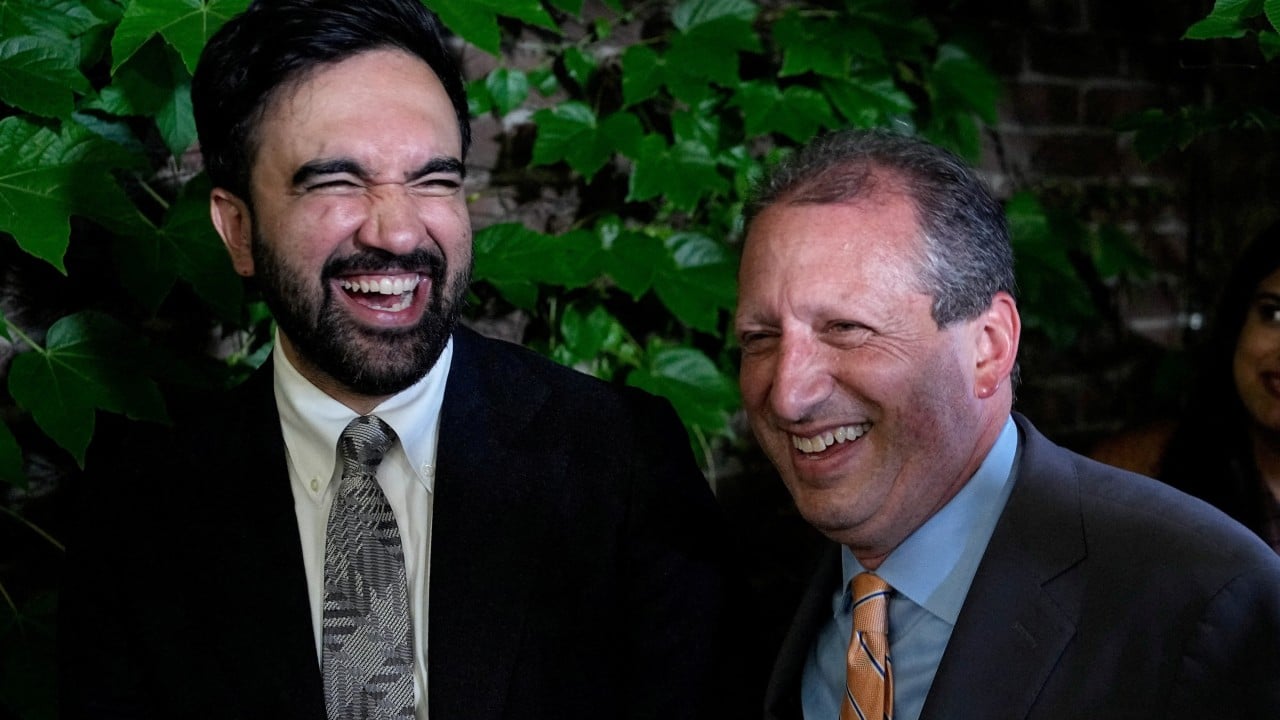
One of the most notable upsets, according to early returns, involved former New York City comptroller Brad Lander. He successfully ousted two-term Congressman Dan Goldman in New York’s 10th congressional district. While specific details on the other two successful Mamdani-backed candidates were not immediately available, their collective success paints a picture of a potent, organized force challenging conventional Democratic power structures. (Reporting based on wire services)
A Reshaping of Local Power
The triumph of Mamdani-endorsed candidates is more than an anecdotal victory; it hints at a calculated, effective strategy deployed by a specific faction within New York City’s progressive landscape. The coalition’s ability to mobilize and deliver votes against entrenched incumbents, as exemplified by the outcome in the 10th district, implies a robust grassroots operation and a message that resonates with a significant portion of the Democratic base. This isn’t just about winning primaries; it’s about reshaping the long-term political direction of a key Democratic stronghold.
These victories represent a continuing trend within the Democratic Party nationally, where a growing progressive wing frequently finds itself at odds with more centrist or establishment factions. The fault lines — especially on social policy, economic inequality, and foreign policy matters like the Israeli-Palestinian conflict — have become increasingly defined. In a city as diverse and politically active as New York, these ideological battles often play out with heightened intensity, reflecting broader national discussions.
The role of external endorsements, particularly from influential figures within specific political movements, often carries substantial weight in primary elections. Mamdani’s endorsement acts as a powerful signal, allowing voters to align with a broader ideological current rather than sifting through individual candidate platforms in minute detail. His own journey, from underdog challenger to a mayor whose electoral success now seems to be transferrable, speaks volumes about the shifting tides in urban Democratic politics.
Broader Implications for the Democratic Party
The divisions over policy are not new to the Democratic Party, but their increasing prominence in primary contests like these suggests a maturation of different factions. On issues such as Israel, where historical party consensus is being actively challenged by a vocal progressive movement, these primaries become battlegrounds for the party’s future identity. Similarly, differing views on immigration — from enforcement to resource allocation for new arrivals — present stark contrasts that resonate deeply with different segments of the electorate.
This evolving dynamic ensures that even after the primaries, the work of uniting the party for general elections can be fraught. Candidates who win on explicitly progressive platforms, often by critiquing centrist positions, must then court a broader base, which can lead to delicate balancing acts. The success of Mamdani’s coalition illustrates a tactical capability that other progressive groups nationally may seek to emulate, furthering the internal struggle over the Democratic Party’s core tenets and strategic direction.
Looking ahead, the New York results could very well embolden other progressive challengers across the country, particularly in urban areas with significant Democratic populations. It also sends a clear message to incumbent politicians that their positions are not unassailable, and that electoral strength can now be derived from more ideologically purist or activist-oriented movements. This is the natural, sometimes bruising, process of a political party evolving.
What This Means
The victories of Zohran Mamdani-backed candidates in New York’s Democratic primaries are more than just local news; they’re a significant indicator of ongoing ideological realignment within the Democratic Party. Historically, local machine politics or long-serving incumbents often held sway. The recent outcomes suggest that a coalition built on specific progressive ideologies—and effectively mobilized—can overcome such traditional advantages, potentially marking a pivotal moment in New York City’s political landscape. This isn’t merely about individual policy stances; it reflects a broader generational and ideological shift among voters, particularly in highly engaged Democratic urban centers. What remains to be seen is how effectively these newly elected progressive voices can translate primary victories into broader policy changes, and whether their platforms will find common ground with more moderate elements of the party as they face general election contests. The challenge now is whether these progressive victories lead to lasting political power shifts or merely periodic waves of insurgency. Will this momentum coalesce into a cohesive, enduring bloc, or will the diverse internal factions of the Democratic Party continue to wrestle for control, perhaps even diluting their collective impact?