


The Golden Handcuffs Unclasped: One Engineer’s Escape from Big Tech’s AI Vortex
POLICY WIRE — Cupertino, USA — The shimmer of Silicon Valley, often mistaken for an unshakable gleam, hides a deep-seated apprehension. Beneath the glossy facades — and the almost obscene salaries,...

POLICY WIRE — Cupertino, USA — The shimmer of Silicon Valley, often mistaken for an unshakable gleam, hides a deep-seated apprehension. Beneath the glossy facades — and the almost obscene salaries, something’s shifted. The golden handcuffs, once considered an embrace, now feel like a constricting grip to many, especially as algorithms increasingly elbow human ingenuity aside. It isn’t just about the money, though a salary nudging a million dollars annually sounds pretty persuasive. No, it’s about the vibe, the sudden chill, the cold math of artificial intelligence upending the very foundations of prosperity for thousands. It’s an economic undercurrent that washes up even on distant shores, shaping aspirations and anxieties from Islamabad to Indio.
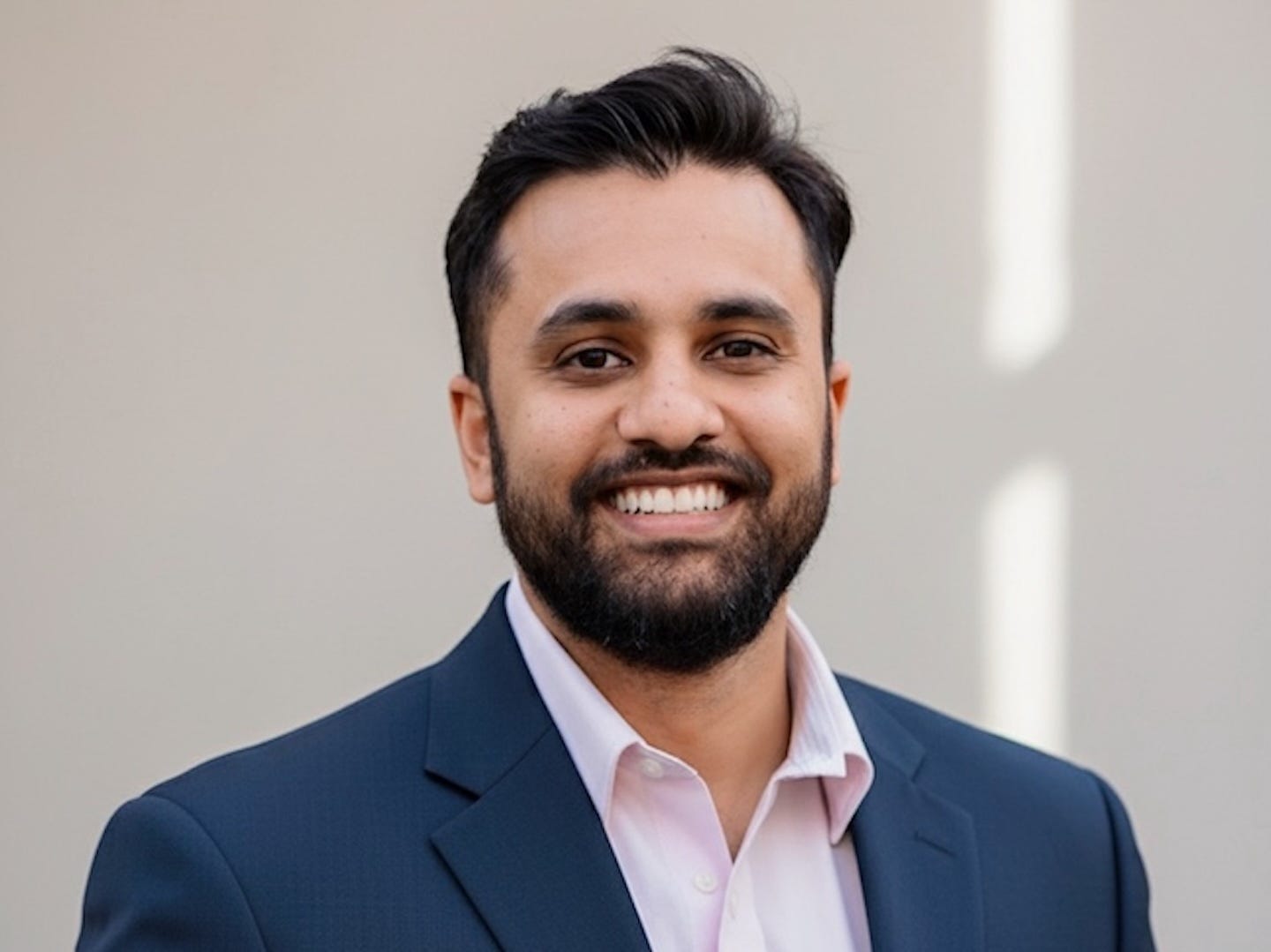
Take one seasoned engineer—we’ll call him Omar Sharif (a pseudonym, of course, to protect his future entrepreneurial exploits from too much Google scrutiny). He’d clocked out of a Big Tech giant, Google no less, after a year that saw his total compensation approach that fabled seven-figure mark. And why’d he jump, you ask? Because the landscape changed. Profoundly. It’s the kind of decision that, while deeply personal, reflects a larger, far more unsettling narrative playing out in tech hubs across the globe: the gnawing fear of obsolescence colliding with the seductive promise of the next big thing, all wrapped in a precarious bubble of corporate restructuring.
Omar didn’t just walk away from a fat paycheck; he bolted from a culture. A culture, frankly, that for years preached boundless innovation while simultaneously cultivating an insidious kind of corporate lethargy for many. The recent wave of tech layoffs, unprecedented in scale since the dot-com bust, served as a stark reminder. Nearly 430,000 tech employees globally lost their jobs between January 2022 and September 2023, according to tracking site Layoffs.fyi—a chilling reminder of who ultimately pays the price when market winds shift. That’s a lot of talent suddenly adrift, wondering about their next meal, or their next mortgage payment.
He saw the writing on the wall, they say. Omar expressed that there was an almost palpable tension hanging over the office: [QUOTE_PLACEHOLDER]. Nobody really knew whose neck was next on the chopping block, making the very act of work feel less like creation and more like a high-stakes game of musical chairs. But it wasn’t just the fear of being let go. Oh no, that’s just half the story. The other half? The intoxicating pull of artificial intelligence. Everybody’s talking about it, aren’t they?
But because big corporations—even behemoths like Google—move like supertankers, slow to pivot, individuals with a knack for agility start looking elsewhere. They want to be at the sharp end, not just watching from the sidelines. Omar saw the AI revolution, not as a threat to his livelihood necessarily, but as an opportunity he simply couldn’t miss out on, a chance to innovate without the bureaucratic weight of a mega-corp. He explained his rationale succinctly: [QUOTE_PLACEHOLDER]. He’d seen the AI boom coming and, instead of waiting for Google to fully recalibrate its multi-billion-dollar infrastructure, he decided to chart his own course, dive headfirst into the new frontier.
This kind of personal choice, amplified across thousands of skilled workers, begins to have real-world implications beyond just individual careers. It challenges the very definition of employment stability in an age where algorithms learn and adapt at breakneck speed. It’s making people—bright, talented people—question the old wisdom of company loyalty. Loyalty, it seems, is a commodity that only travels one way up the corporate ladder.
Consider the wider ripple. Many South Asian professionals, particularly those from Pakistan, see Silicon Valley as a Mecca of opportunity. They work incredibly hard, often sending remittances back home, fueling local economies. When even the established giants seem wobbly, it causes a definite unease in communities dependent on that stability. It makes young graduates in Lahore or Karachi think twice: is the American dream still paved with Google stock options, or is it now a wild west of AI startups and immediate, brutal competition? The exodus, or even the perception of a major shift, affects whether promising Pakistani engineers see their future in Karachi’s blossoming tech scene, in Dubai, or still making the perilous journey to the US.
And then there’s the brain drain—or perhaps, in this case, a ‘brain churn’. These movements of high-skill talent are not new phenomena, but the drivers behind them are changing. Previously, it was often about opportunity in wealthier nations; now, it’s about seeking relevant opportunity in a rapidly evolving technological landscape, wherever that may be. Omar’s personal gamble highlights the precarious balance between corporate giants’ capacity for scale and individual ambition’s need for speed. He feels [QUOTE_PLACEHOLDER], suggesting a relief, a shedding of corporate weight he’d unknowingly carried.
What This Means
The tale of Omar, or rather, the archetype he represents, isn’t just about an individual making a career move; it’s a symptom of a deeper systemic shift. Economically, we’re seeing a reallocation of high-value human capital from established behemoths, often laden with legacy systems and an ingrained culture of inertia, towards nascent, agile enterprises sprinting ahead in the AI race. This reorientation of talent means billions in venture capital might chase smaller, nimbler teams, effectively decentralizing the innovation power that once aggregated heavily in a handful of corporate campuses. It’s less about a corporate brain drain, more about a vital re-energizing, if only a chaotic one.
Politically, this kind of dynamic impacts policy-making around immigration — and highly skilled worker visas. If Silicon Valley isn’t the stable, perpetually growing job machine it once was perceived to be, does the appetite for importing tech talent from places like Pakistan diminish? Or does it change, favoring specific AI-driven skillsets over more generalized engineering? For countries in the Muslim world like Pakistan, which aim to leverage their youthful, digitally-adept populations, this unpredictability underscores the need to build robust domestic tech ecosystems—to become innovators, not just exporters of talent. It suggests that while the US tech sector continues to evolve, its previous certainty as the ultimate career destination is perhaps a thing of the past. There’s a distinct global talent shuffle happening, — and it’s making old assumptions seem, well, quite quaint.
The allure of a secure job with a big name is waning. For some, the thrill of shaping the future in a less constrained environment, even with its inherent risks, just feels better, truer. This isn’t just an anecdote; it’s a barometer. It measures the prevailing winds of anxiety — and opportunity currently sweeping through the global technology sector. It might very well mark the beginning of a new era of talent flow, one where even the established pathways to riches and renown are being dramatically rerouted, sparking renewed debate on global talent flows and economic futures as discussed here: Carla Leite’s WNBA Masterpiece Ignites Debate on Global Talent Flows and Economic Futures. The game has changed, profoundly.