


The Long Game: Why India’s Cricket Gurus Tamped Down Teen Sensation’s Hype Train
POLICY WIRE — Dublin, Ireland — It’s a paradox of modern celebrity: the quicker you rise, the hotter the burn. And in the subcontinent, few flames flicker quite like a cricket prodigy. So, when...

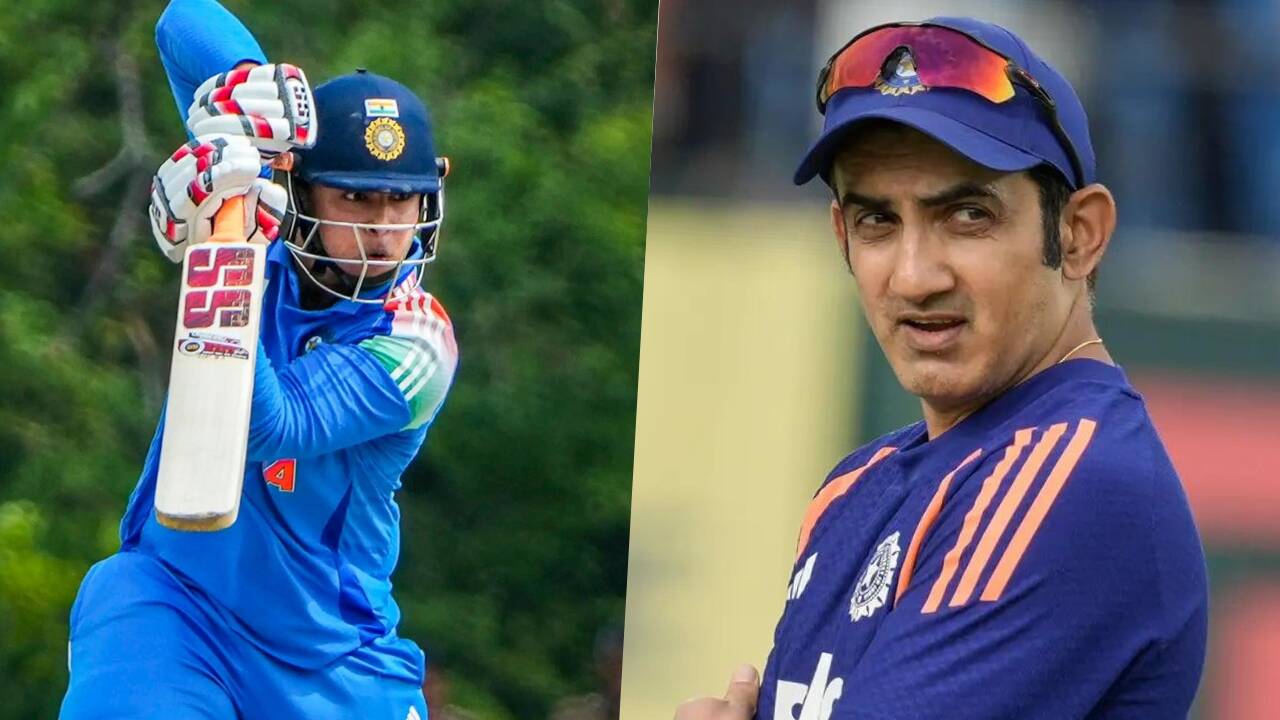
POLICY WIRE — Dublin, Ireland — It’s a paradox of modern celebrity: the quicker you rise, the hotter the burn. And in the subcontinent, few flames flicker quite like a cricket prodigy. So, when Vaibhav Sooryavanshi, a bat-wielding teenager barely old enough to vote, found himself conspicuously glued to the bench through India’s recent T20I series in Ireland, a collective groan echoed through living rooms and social media feeds. This wasn’t some minor administrative slip-up; it was a deliberate, almost audacious, check on the relentless hype machine – a strategic delay that spoke volumes about player management in an age craving instant gratification.
Many expected the 15-year-old phenom to be unleashed, particularly after India dropped the opening fixture. But the management, fronted by the famously pugnacious Gautam Gambhir, opted for prudence over public pressure. No fanfare, no headline-grabbing record. Just a firm, quiet ‘not yet’. Former England captain Michael Vaughan, never one to mince words, reportedly found himself in a state of ‘disbelief’ over the youngster’s exclusion after the initial loss. But, don’t confuse surprise with short-sightedness; this wasn’t some arbitrary snub. There’s a method to this perceived madness, a nuanced approach few outside the dressing room are privy to.
It’s about the deep chess of squad building, the political economy of who plays — and why. Head coach Sitanshu Kotak laid out the philosophy with disarming bluntness before the series. “Vaibhav is very talented, there’s no doubt. And the way he has batted… there’s no need to tell that he has got a lot of natural abilities,” Kotak observed. But talent, even prodigious talent, isn’t the only currency. “I am sure that he will get his dues — and his opportunities. So I don’t think that just to give him an opportunity, we should drop someone who has already been scoring runs. That also won’t be right.” That’s a clear message: loyalty to current performers isn’t just good ethics; it’s a bulwark against instability. You can’t build a formidable team by yanking players who delivered in past campaigns, like the successful 2026 T20 World Cup, for the new bright thing, no matter how shiny.
And then there’s the unseen assimilation, the crucial education in the high-stakes theater of international sport. Captain Shreyas Iyer hinted at this delicate process at the toss of the first T20I, a moment thick with anticipation for Sooryavanshi’s possible debut. His reply? A succinct, “Unfortunately, no.” But he quickly reassured a hungry press pack. “He’ll get his opportunity when the time comes.” The unspoken truth? Being part of the squad is itself an opportunity – a priceless internship watching veterans, observing the rituals, understanding the unspoken pressures, all before you’re thrown to the wolves. It’s an immersion process, not an immediate baptism of fire. That’s a sensible, if unspectacular, strategic move. Many would argue that transfer market dynamics and talent management often overlook this slower, more impactful development path.
The precedent for very young debuts does exist, particularly in South Asia. Pakistan, our spirited neighbor, once thrust Hasan Raza into Test cricket at a startling 14 years and 227 days back in 1996, a record that still stands for men’s international cricket. Even Sachin Tendulkar, Indian cricket’s demigod, debuted in Tests at 16 years — and 205 days. But those were different eras, arguably with different pressures and perhaps a less acutely aware management infrastructure focused on the longevity of careers rather than immediate public hunger. The global spotlight now is simply far more intense, demanding a more guarded, deliberate hand. And with the economic stakes so incredibly high, particularly in a cricket-obsessed nation like India where, for example, IPL rights alone fetched roughly $6.2 billion for the 2023-27 cycle (source: BCCI reports), you can’t make casual errors in player development.
What This Means
This deliberate slow-play of Vaibhav Sooryavanshi isn’t just a cricketing decision; it reflects a broader shift in how major sporting entities, especially those from economically burgeoning nations, perceive and manage their most valuable assets – young talent. It’s a policy choice against immediate gratification, privileging psychological readiness and strategic squad cohesion over the fleeting buzz of a record-breaking debut. By keeping Sooryavanshi off the field for now, the Indian management is asserting control over a narrative that the public and media often try to dictate. They’re signalling that long-term investment, player mental health, and seamless team integration are non-negotiables, not just PR-friendly platitudes. But it’s also a power play: they’re demonstrating that while individual brilliance is revered, it must serve the collective strategic goals of the board. This kind of calculated approach to human capital, whether in sports or business, points towards a maturation of governance. They’re managing an asset (the player), yes, but also managing expectations – and implicitly, market dynamics – for a much larger ecosystem.
The potential for a debut looms in England next. If it happens there, at 15 years and 93 days, Sooryavanshi would indeed eclipse Tendulkar’s Indian record for men’s senior team debutant, and even outpace Ireland’s Joshua Little as the youngest T20I player. But if it happens, it won’t be because the public clamored, or a losing streak panicked the team. It’ll be because the management, in their dry, clinical assessment, decided his time had finally, truly, come. And that’s a weighty message, strategically delivered.