Caracas’ Frail Foundations: A Rescue’s Ephemeral Gleam in Venezuela’s Ongoing Decay
POLICY WIRE — Caracas, Venezuela — Another child pulled from another pile of debris. You’d think, after so many instances worldwide, these scenes would lose their shock value. But they...

POLICY WIRE — Caracas, Venezuela — Another child pulled from another pile of debris. You’d think, after so many instances worldwide, these scenes would lose their shock value. But they don’t—not really. Especially when the rubble isn’t just from a sudden natural cataclysm, but the slow-motion collapse of an entire nation. Venezuela, a land once flush with oil wealth, now serves as a stark classroom for the economics of systemic decay. It’s a country where everyday existence has become an exercise in survival, punctuated by moments of heartbreaking, utterly fragile triumph.
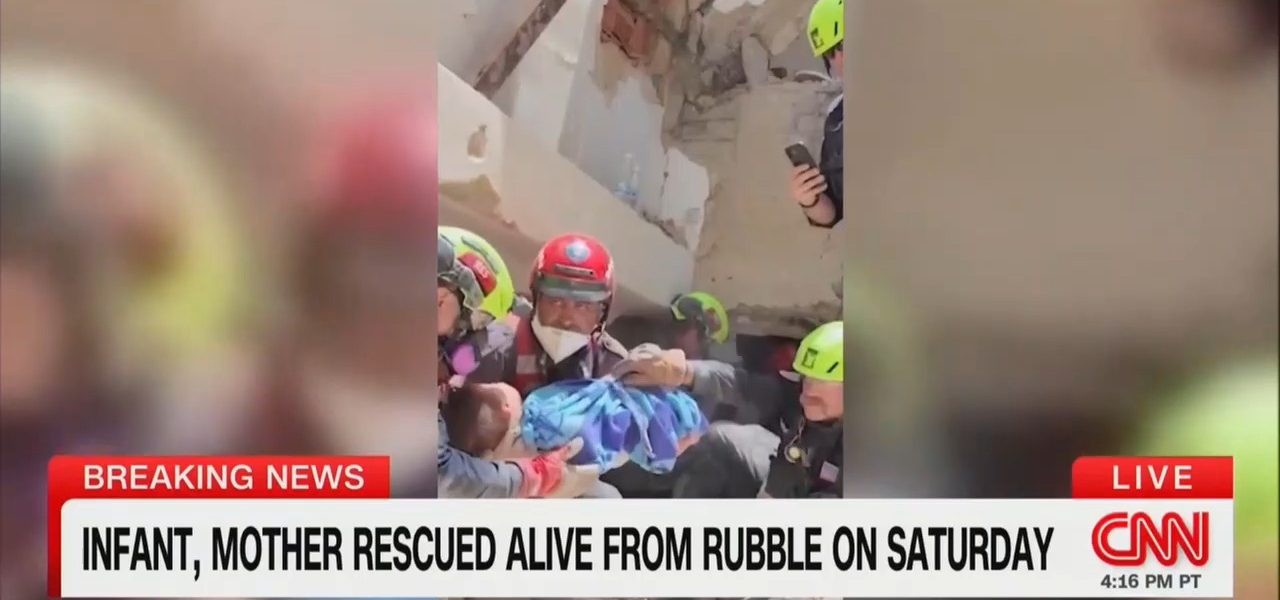
It was a truly gut-wrenching scene. Rescue crews, a tableau of grim determination, carefully working the scene. They were doing their level best—sifting, pushing, listening for any sign of life. A child, we’re told, was there, trapped beneath whatever remained of a building that had perhaps been compromised long before its final, ignominious giving way. We don’t get the full backstory from official channels, because, let’s be honest, those channels are usually more adept at narrative control than fact dissemination. The brief glimpse we were granted of this struggle, though, paints a familiar, sorrowful picture. [QUOTE_PLACEHOLDER]
And so, they did it. Those workers, likely underpaid, probably under-resourced, they managed a minor miracle. You saw them carefully pull a baby from the rubble. An infant, barely old enough to understand the gravity of its circumstances, suddenly free, breathing. A gasp of relief—not just from the immediate bystanders, but for anyone who still harbors a sliver of hope for this nation. This sort of fleeting, personal victory, however, often distracts from the larger, uglier truth: that such collapses—whether literal structures or social safety nets—aren’t random acts of God when governance has become, let’s say, less than robust.
The tragedy here isn’t just the particular incident. It’s the metaphor. Venezuela’s infrastructure, its economy, its public services—they’re all living on borrowed time. The country has been navigating a seemingly endless cascade of crises: hyperinflation, political turmoil, mass migration. Since 2013, for instance, Venezuela’s GDP has contracted by over 75 percent, according to data from the International Monetary Fund. That’s not just a recession; it’s an economic freefall that makes other national struggles look like mere speed bumps. This prolonged instability inevitably impacts every corner of life, including—critically—building codes, maintenance, and emergency response capabilities. It leaves a fragile populace, exposed.
But the world’s accustomed to seeing rubble, isn’t it? From Aleppo to Port-au-Prince, the wreckage tells stories of war or nature’s fury. What Venezuela presents is a unique, painful amalgamation. A rich country, blessed with some of the largest proven oil reserves on Earth, brought to its knees not by seismic shifts or foreign invaders, but by profound, protracted mismanagement. It’s a man-made calamity that echoes, in its impact on civilian lives, the devastation wrought by natural disasters. Consider, for a moment, the harrowing images that often emerge from earthquake zones across South Asia—say, the aftermath of the Afghan earthquake, where rumbling faults and shaky governance leave deep scars. In both scenarios, the vulnerability of populations is brutally laid bare.
📄 POLICY WIRE WHITEPAPER PUBLISHED: PAKISTAN'S NATIONAL SECURITY POLICY PRIORITIES
👉 READ BY CLICKING HEREAnd it’s a grim calculus, frankly. When institutions crumble, it’s not the politicians or the wealthy elite who are usually first beneath the literal or figurative detritus. It’s the common folk. It’s their children. That moment of rescue, while undeniably moving, also highlights an insidious global pattern: the most defenseless always bear the brunt of geopolitical failures and economic folly. They’re the ones trapped.
Because there’s an uncanny similarity in suffering, isn’t there, no matter the locale? You see it in communities in Pakistan struggling after devastating floods or remote villages in Afghanistan, where governance is tenuous and a fragile peace always seems a hair’s breadth from dissolving. The specific causes differ, certainly, but the end result for everyday citizens—a constant struggle against precarity—feels hauntingly universal. The image of a baby being carefully pulled from the debris isn’t just Venezuelan; it’s an unfortunate, all-too-common emblem of populations trapped by forces beyond their control. This child’s reprieve, while joyous for a fleeting second, doesn’t, can’t, obscure the deeper malaise.
What This Means
This isn’t merely a feel-good story of rescue; it’s a symptom, stark — and unvarnished, of a state barely functioning. Politically, such incidents create immense pressure on the Maduro government, though it’s adept at deflecting blame. Each collapse—each personal tragedy—erodes public trust further, fueling simmering discontent that occasionally boils over, as we’ve seen with the mass exodus of millions. Economically, it showcases a catastrophic lack of investment and oversight in basic infrastructure, indicating that despite nominal recovery claims, the structural foundations of Venezuelan society remain alarmingly brittle. It’s hard to rebuild an economy when you can’t even guarantee your buildings stand. The rescue, for all its emotional power, is merely a bandage on a gaping wound—a poignant illustration of how human resilience, while inspiring, can’t compensate for a state’s abject failures.