


After Prolonged Chill, Judiciary Thaws: A Reckoning for Rule of Law?
POLICY WIRE — Capital City, Nation X — A peculiar silence, heavy with bureaucratic dust, settled over the nation’s court system for eighteen long months. For many citizens, caught in legal limbo, it...

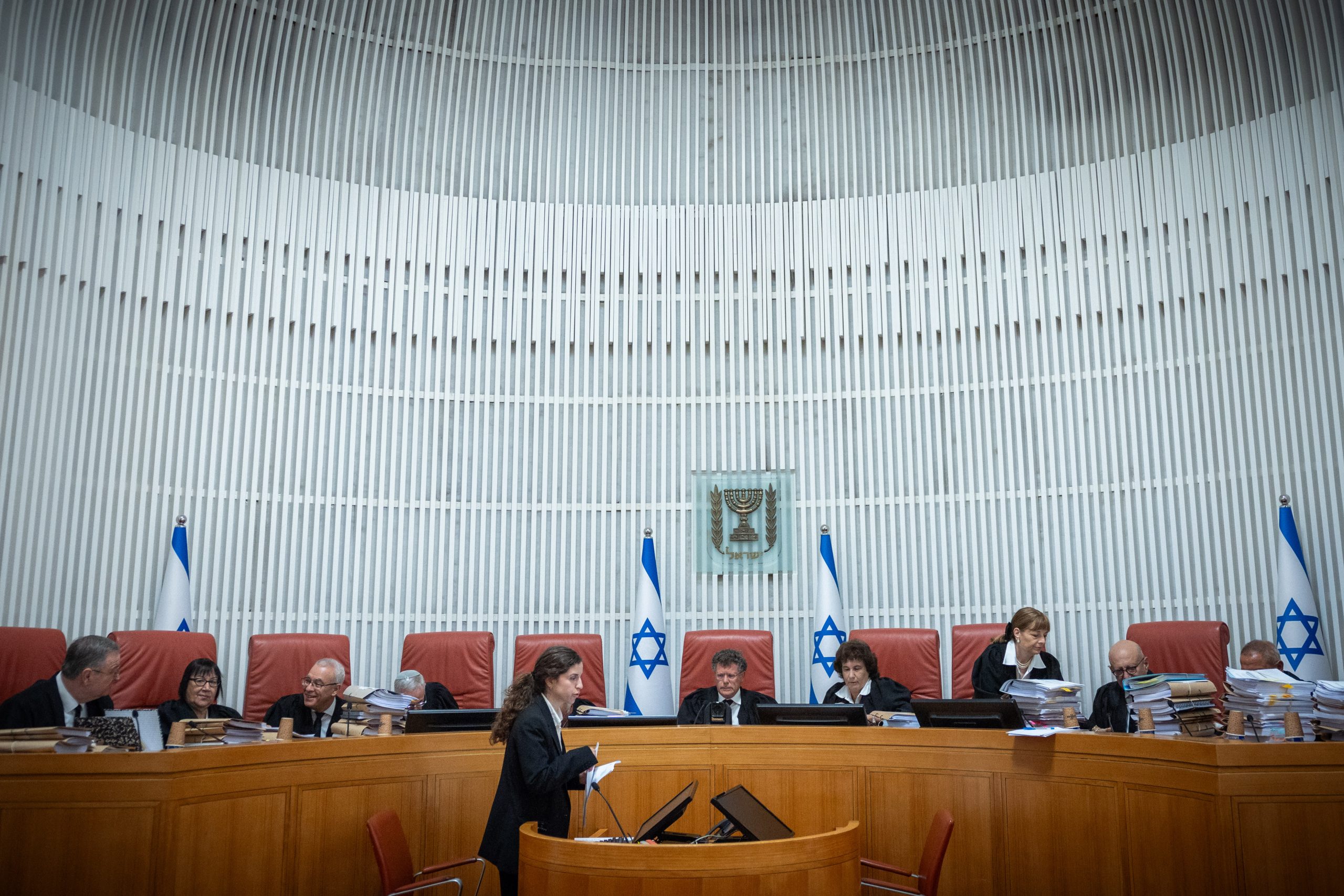
POLICY WIRE — Capital City, Nation X — A peculiar silence, heavy with bureaucratic dust, settled over the nation’s court system for eighteen long months. For many citizens, caught in legal limbo, it felt like an eternity. But then, as abruptly as it began, the quiet broke. The Judicial Selection Committee, a body often described as glacially slow even on a good day, finally—*finally*—roused itself from a hibernation that felt more like a political standoff.
It’s no small thing when the cogs of justice grind to a halt. We’re talking about an entire swath of the legal machinery, from appeals to initial filings, left waiting for fresh blood, for competent hands to navigate the stacks of unresolved disputes. Because when new officials aren’t appointed, cases pile up. Innocent people wait. Guilt sometimes walks free. That’s the unspoken cost of administrative inertia. [QUOTE_PLACEHOLDER]
This week, a year-and-a-half freeze on judicial appointments came to an end. The committee has since seen fit to select 68 officials for the court system. Sixty-eight—that’s a figure, a statistic really, that hardly captures the ripple effect of what happens when due process gets deliberately choked off. Consider that even the United Nations Development Programme (UNDP) regularly highlights the crippling effect of judicial backlogs on governance and economic stability across developing nations, with some countries reporting millions of pending cases. Ours is no exception to the malaise, — and such freezes simply exacerbate an already fragile system. Don’t kid yourself, this wasn’t an oversight; it was paralysis.
For weeks, for months really, speculation ran wild through the capital’s power corridors. Was it a political feud between ministries? A deliberate attempt to exert influence over future rulings? Or perhaps just plain old, garden-variety incompetence that pervades so many public sectors? It’s rarely just one thing, isn’t it? More often, it’s a stew of competing interests, territorial skirmishes, and a healthy dose of apathy for the folks standing on the wrong side of a courthouse door. The human cost? Untold. The economic drain? Substantial.
But hey, the wheels are turning again. Or at least, they’ve started to creak. These new appointees, presumably capable and vetted—or as vetted as one can be after such a drawn-out process—face an immediate, Herculean task: tackling a backlog that could easily span years. They’re walking into an environment thick with frustration, where public trust in the speed and impartiality of justice often hangs by the thinnest of threads. It’s not just about caseloads; it’s about rebuilding faith, piece by arduous piece.
The situation isn’t unique, not by a long shot. Across South Asia, from the bustling cities of India to the more tranquil—or at least, less public—districts of Pakistan, judicial delays are a constant headache. Pakistan’s Supreme Court, for instance, has its own battles with appointment processes and perceived executive meddling, reflecting a regional struggle to insulate the judiciary from political interference. When governments, or factions within them, effectively halt the intake of new judges or officials, it doesn’t just slow down court proceedings; it sends a chilling message about the rule of law. And, if we’re honest, it subtly redefines who holds the real power. It’s never the scales of justice when they’re sitting idly by.
So, the immediate crisis, the immediate paralysis, seems to have lifted. But the lingering questions? They persist. What prompted this extended freeze in the first place? And what assurances do citizens have that it won’t happen again the moment another political squabble erupts? It’s not a victory lap, it’s a hard reckoning. And the judges, well, they’ve got their work cut out for them—maybe this judicial thawing marks a genuine turning point, but I wouldn’t hold my breath. These systems don’t fix themselves overnight, or even over a year — and a half. And frankly, the folks on the ground deserve better than a justice system that plays hide-and-seek with its own personnel.
What This Means
This episode, short on transparency but long on political intrigue, isn’t just about 68 jobs. It lays bare the delicate—often precarious—balance of power within our democratic institutions. When a committee like this, responsible for the very bedrock of legal process, stalls for so long, it suggests either a deep political rift preventing consensus or a calculated maneuver to maintain certain vacancies for strategic advantage. Either way, the implication is unsettling. It compromises judicial independence and opens the door for executive or legislative overreach, effectively making justice an extension of political will rather than an impartial arbiter.
Economically, prolonged judicial inefficiency can be devastating. Foreign direct investment often shies away from countries where contract enforcement is a lottery ticket rather than a guarantee. Domestic businesses struggle with unresolved disputes, tying up capital — and hindering growth. There’s a direct line between a functional, swift justice system — and a robust economy. This recent thaw, while welcome, doesn’t erase the damage done or the questions raised about future stability. It’s a stop-gap measure, a temporary bandage on a chronic condition, until we address the systemic vulnerabilities that allowed such a deep freeze to happen. Consider what it means for civil liberties, for fundamental rights, when the mechanism meant to protect them is, by design or neglect, held hostage. This whole affair underscores the perpetual tension between judicial autonomy and political interference, a tension especially pronounced in developing democracies and nations like ours where institutions are still, let’s say, ‘maturing’. Or perhaps, struggling. Sometimes it feels like watching a particularly bizarre game unfold; maybe it’s just a different kind of business model getting jarred. But it’s certainly not business as usual.