

EU-China Trade Brinkmanship: High Stakes Amid Green Tech Probes
POLICY WIRE — Brussels, Belgium — The shadow of a full-blown trade war with Beijing loomed large this month as European leaders convened for the European Counci...

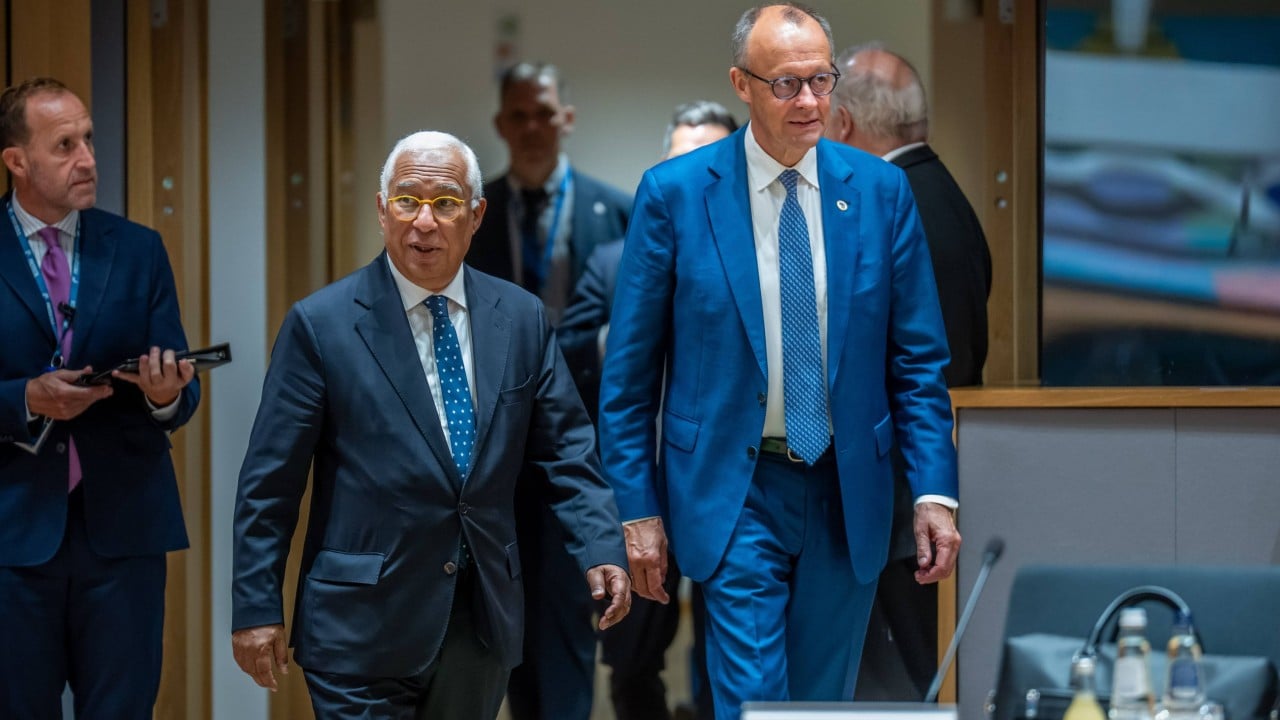
POLICY WIRE — Brussels, Belgium — The shadow of a full-blown trade war with Beijing loomed large this month as European leaders convened for the European Council meeting in Brussels. Discussions among member states were reportedly underscored by the mounting tension, particularly concerning ongoing anti-subsidy probes targeting Chinese green technology and the palpable threat of retaliatory tariffs. The very foundation of the economic relationship between China and the European Union, long a cornerstone of global trade, appears increasingly tenuous. (Reporting based on Reuters)
This high-stakes scenario is not merely a diplomatic spat; it carries profound implications for global supply chains, economic stability, and the pace of the green transition. The European Union has, for some time, voiced concerns regarding what it perceives as unfair state support for Chinese industries, particularly those driving the push towards a greener global economy. While the exact scope of these investigations remains under wraps, the focus on ‘green technology’ indicates a growing contention point in sectors crucial for future economic competitiveness.
At the heart of the matter are allegations that significant state subsidies in China allow its companies to produce goods, such as electric vehicles, solar panels, or wind turbine components, at artificially low prices. Such practices, from the European perspective, undermine fair competition and pose an existential threat to nascent European industries struggling to compete on an uneven playing field. Were the EU to impose tariffs following these probes, it would mark a significant escalation, almost certainly provoking a tit-for-tat response from China, as commonly seen in historical trade disputes.
Indeed, despite the hawkish political rhetoric emanating from both sides, there’s a discernible undercurrent of pragmatism. Recent high-level meetings between European officials and their Chinese counterparts suggest that lines of communication remain open. Such engagements are often critical in de-escalating tensions, even if they don’t immediately resolve core disputes. They serve as a vital mechanism for understanding positions and potentially forging a path away from a mutually damaging trade conflict. It’s a delicate dance: public displays of firmness for domestic audiences coupled with private attempts to manage and mitigate the crisis.
The China-EU economic partnership is vast — and deeply intertwined, encompassing billions in annual trade. A full-scale trade war would inflict considerable damage on both economies, disrupting global commerce and potentially stifling innovation, especially in the very green technologies both blocs profess to champion. Businesses on both continents are keenly watching these developments, understanding that any significant shift in trade policy could force a costly re-evaluation of their supply chains and market strategies. The economic stakes are simply too high for a complete breakdown of dialogue.
What This Means
The current standoff between the EU and China over trade practices and green technology subsidies represents a critical juncture in their bilateral relationship, with significant repercussions for global trade dynamics. While the immediate trigger is the EU’s anti-subsidy probes, the underlying issue is a broader struggle over industrial policy and competitive advantage in strategic sectors. A potential trade war isn’t just about tariffs; it reflects a deepening economic divergence and a challenge to the established principles of global free trade, potentially fragmenting supply chains and increasing costs for consumers worldwide.
Historically, trade disputes, particularly those involving large economies, often begin with targeted measures before escalating. The current situation suggests that while both sides are signaling strength, there’s likely also a desire to find a negotiated solution given their extensive economic interdependency. The presence of ‘high-level meetings’ amidst the ‘hawkish rhetoric’ implies a two-track approach: public pressure combined with private diplomacy. The question remains whether these backchannel efforts can bridge the significant chasm separating their economic philosophies, particularly as China aims to leverage its industrial strengths and Europe seeks to protect its nascent green industries. The ultimate outcome will shape not only future EU-China relations but also the broader framework for global economic cooperation and competition in an era defined by geopolitical rivalry and the imperative of a green transition.