


Beyond the Boundary: England’s Cricket Ace Trades Pitch for Mound Amidst Global Sports Shift
POLICY WIRE — Oakland, USA — For a nation still grappling with its peculiar sporting affections—the esoteric ballet of baseball often leaving outsiders utterly bewildered—America’s latest...

POLICY WIRE — Oakland, USA — For a nation still grappling with its peculiar sporting affections—the esoteric ballet of baseball often leaving outsiders utterly bewildered—America’s latest recruit arrived, not from some far-flung minor league circuit, but from the decidedly British greens of international cricket. It’s an improbable trajectory, isn’t it?
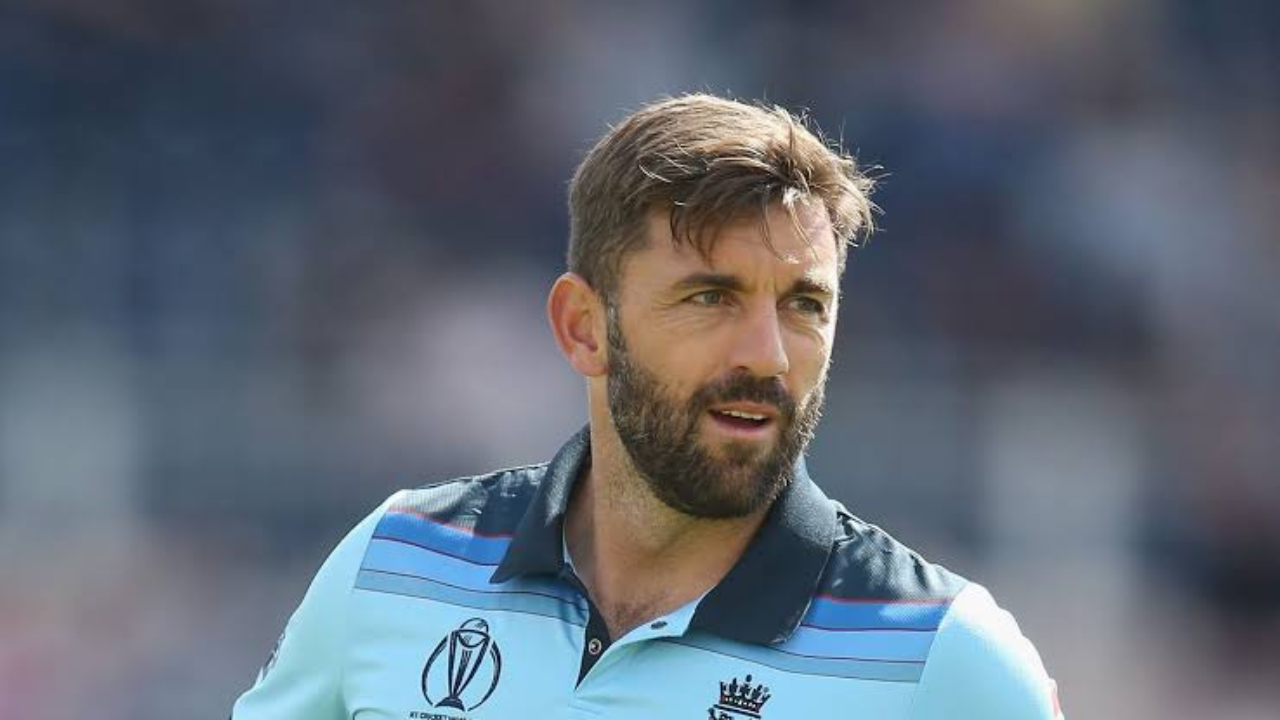
Liam Plunkett, an imposing figure who once helped England clinch a Cricket World Cup, has found a new stage. At 41, five years after moving stateside, he wasn’t just observing from the stands; he was on the mound, flinging a distinctly harder ball in a game governed by vastly different rhythms. His professional baseball debut for the Oakland Ballers against the Yuba-Sutter Freebirds wasn’t just a feel-good story about an athlete pursuing a new passion. No, it’s far more than that—it’s a data point in a sprawling narrative about the globalizing sports economy, athletic migration, and the peculiar soft power dynamics of American entertainment.
Plunkett’s journey isn’t a mere whimsy. He struck out a batter in his first appearance, yes, but he’d pitched using an action described as “a bit unusual,” a hybrid of his cricketing prowess and baseball mechanics. It’s testament to adaptability, sure. But it also illuminates the burgeoning marketplace for sporting spectacle, where novelty and crossover appeal command real currency. The Ballers, part of the Pioneer Baseball League, snapped him up under a ‘marketing player exception,’ a neat little trick allowing teams to bypass roster limits for high-profile names. It’s about selling tickets, naturally. And stories. But it’s also about casting a wider net, capturing the attention of communities beyond traditional baseball fandom.
But there’s a deeper current here, beneath the surface glamour of an English sporting hero. The United States, a land traditionally indifferent to cricket, is now actively cultivating the sport. Organizations like Major League Cricket (MLC), with which Plunkett remains associated as part of the San Francisco Unicorns, aren’t just sprouting up. They’re part of a concerted effort to tap into the substantial South Asian and wider Muslim world diaspora in America—a demographic craving familiar athletic comfort in their adopted homeland. For someone like Plunkett, the MLC provides a bridge, a consistent link to his first love while exploring new avenues. It’s a smart career move, economically, because it hedges his bets.
“The global sporting landscape is more interconnected than ever,” noted Rajesh Kumar, Commissioner of Major League Cricket, speaking last month on the MLC’s ambitions. “Athletes, like any other skilled professionals, are following opportunities, crossing traditional borders and code lines. What Liam is doing isn’t just a personal achievement; it helps validate the broader talent pool for cricket in North America and showcases our league’s growing potential.” It’s about perception. And it’s about expansion.
His debut—part of an 18-11 loss for Oakland, a detail often relegated in these human-interest pieces—attracted a respectable 1,878 fans to Raimondi Park. This, for a minor league game, featuring a player more recognized for wearing whites than pinstripes. “Liam’s story resonated immediately,” remarked Maria Sanchez, Vice President of Marketing for the Pioneer Baseball League, whose insights were particularly trenchant when discussing athlete-driven promotions. “It’s not just about star power; it’s about storytelling, connecting with communities. We’re always looking for authentic ways to broaden our audience base, and attracting talent from different sporting backgrounds—particularly with established followings—is an increasingly effective strategy.”
Because ultimately, it’s all about market share. The North American sports market is projected to reach approximately 90.7 billion U.S. dollars in revenue by 2024, according to Statista, dwarfing most other regional markets globally. To carve out a niche in that colossus, especially for a burgeoning sport like MLC, requires unconventional plays—importing celebrity cricketers, fostering hybrid athletes, turning personal stories into commercial draws. Plunkett’s transition isn’t just about his ‘dream start’; it’s also about a system actively working to cultivate new consumer bases and narratives within that massive economic engine. His presence, even at a lower tier of professional baseball, subtly enhances the value proposition for MLC and the larger cricket-in-America endeavor. It just does.
What This Means
Liam Plunkett’s baseball foray is more than a quirk; it’s a symptom of deeper geopolitical and economic shifts in the world of professional sport. Firstly, it spotlights the continued draw of the American sports infrastructure, not just for domestic talent but for seasoned international athletes seeking new challenges or a late-career surge in a lucrative market. It speaks to a growing willingness, particularly amongst those approaching the twilight of their primary careers, to repurpose their elite athletic skills for different, potentially equally rewarding, endeavors. But more significantly, this narrative feeds into the strategic expansion of cricket itself within the United States—an expansion directly tied to the aspirations of the country’s burgeoning South Asian and Middle Eastern immigrant populations, for whom cricket isn’t just a game but a cultural tether. They’re a ready-made audience. By having players like Plunkett involved in both, the MLC gains invaluable publicity and credibility, essentially building bridges between disparate sporting traditions. It’s a potent form of cultural soft power, isn’t it? The economic implications are equally clear: where there’s a community seeking cultural affirmation and entertainment, there’s a market ripe for exploitation. Plunkett’s presence, bridging cricket and baseball, legitimizes the pursuit of non-traditional sports by an American audience and, by extension, reinforces the commercial viability of initiatives like MLC that target diverse cultural segments. For more on how national identities and global politics intersect with sports, consider the ongoing shifts observed in European leadership, where political stability mirrors broader societal resilience.