


World Stage, Unequal Footing: Cape Verde’s Scrappy Dreams Collide with Saudi Ambition
POLICY WIRE — Houston, United States — For some nations, a football match isn’t just a game; it’s a strategic diplomatic play, a billboard for national ambition, or perhaps—for a tiny...

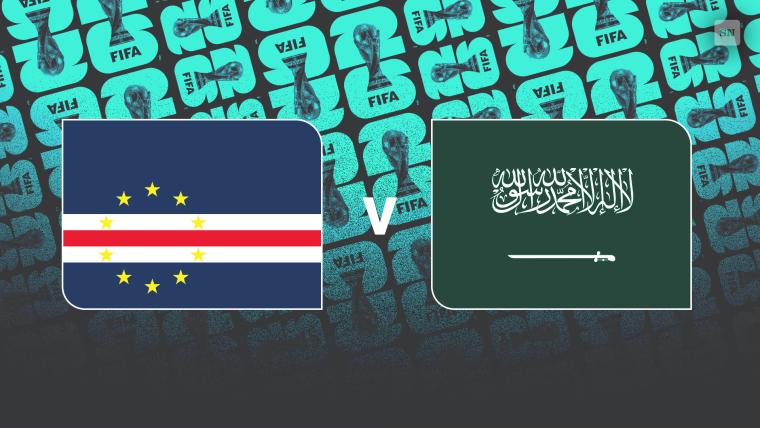
POLICY WIRE — Houston, United States — For some nations, a football match isn’t just a game; it’s a strategic diplomatic play, a billboard for national ambition, or perhaps—for a tiny island archipelago—a collective roar against the quiet hum of anonymity. Cape Verde, a group of Atlantic rocks punching well above its weight, will face off against Saudi Arabia, an oil-rich kingdom pouring billions into global sports, in a World Cup clash today. But it’s far more than just points on the board. This isn’t just about qualifying; it’s about projecting power, securing identity, and—for some—the desperate hope of a brighter tomorrow.
The original script called for predictable narratives: Saudi experience versus Cape Verdean grit. And sure, those threads are present. But step back from the tactical breakdowns, from the ‘free live stream’ pronouncements, — and you see something else. You see the sheer financial heft of Riyadh – a government that, according to some analyses, has poured an estimated 6.3 billion dollars into sports investments since 2021 alone—up against a nation whose annual GDP struggles to break two billion. It’s a David and Goliath tale, yes, but this time, Goliath didn’t just bring a bigger sling; he bought the entire sporting goods store.
Cape Verde, or the Blue Sharks as they’re affectionately known, aren’t supposed to be here. Not really. They’re a feel-good story, a genuine surprise. They held Spain to a draw, they clawed back from 2-0 down against Uruguay. That kind of spirit—that collective belief—it’s rare, and it’s captivating. Captain Ryan Mendes, their all-time top scorer, he isn’t just playing for glory. He’s playing for a national rebranding campaign, a whisper to the world that his nation exists, and that it can stand shoulder-to-shoulder with giants. As Dr. Amelia Soares, a political science lecturer specializing in small island development, observed recently, “For a country like Cape Verde, a World Cup run isn’t merely about sport. It’s about tourism, about investment, about making headlines that aren’t tied to climate change or remote aid dependency. It’s nation-building on the pitch.”
Because, really, when was the last time the world collectively thought about Cape Verde outside a travel brochure? Now, they’ve earned a spotlight, a 90-minute slot where their destiny is their own. And don’t forget the millions watching, some captivated by the underdog, some perhaps learning the nation exists for the first time.
Saudi Arabia, on the other hand, doesn’t need introductions. It’s been to this dance seven times. They know the score. They understand the mechanics. Their involvement in major global sporting events, from football to golf to boxing, isn’t about humble introductions; it’s about loud, undeniable proclamations of intent. It’s about Vision 2030, a sweeping plan to diversify an oil-dependent economy and remake the kingdom’s image on the global stage. Mr. Rashid Al-Hazmi, a prominent Saudi analyst on international relations, made it clear, “Our participation, our hosting, our investment in global sports—it’s integral to demonstrating our soft power. It projects a modern, capable Saudi Arabia ready for partnerships, fostering cross-cultural engagement. It’s more than just a game; it’s diplomacy in cleats.”
They opened their tournament with a respectable draw against Uruguay, but then hit a wall, getting hammered 4-0 by Spain. That kind of rout, it stings, particularly when the Crown Prince has personal stakes in fostering a global image of competence and capability. They need a result here. Their players—Salem Al Dawsari, Saud Abdulhamid, Firas Al Buraikan—they aren’t just playing for team pride. They’re part of a national narrative, a significant piece of a jigsaw puzzle that their government is assembling on the world’s most watched canvases.
📄 POLICY WIRE WHITEPAPER PUBLISHED: PAKISTAN'S NATIONAL SECURITY POLICY PRIORITIES
👉 READ BY CLICKING HEREAnd while Pakistan may typically lean towards cricket, the surging popularity of football across the wider Muslim world—from Jakarta to Marrakech—means Saudi Arabia’s performance is watched with an eye for regional prestige, a benchmark of Arabian prowess. These moments matter beyond the financial bottom line. This game, playing out tonight at 8 p.m. ET in Houston, has immediate, harsh implications for Group H, where just three points separate every team. A win here — and a ticket to the next round feels tantalizingly close for either side. A loss, though, — and for one nation, the grand ambition (or the unexpected dream) deflates.
What This Means
The stakes here transcend mere sporting accomplishment. For Saudi Arabia, continued progress in a tournament like the World Cup reinforces its long-term strategic investments in global sports and its ‘soft power’ diplomacy, particularly across the Muslim world. It validates Vision 2030’s ambitious aims, presenting the Kingdom as a forward-thinking, engaged global player—diverting, perhaps, from other less flattering international narratives. Success helps cultivate goodwill — and potential economic partnerships far beyond the stadium lights.
For Cape Verde, a protracted World Cup journey represents an economic — and cultural bonanza they simply can’t purchase. It’s free marketing, boosting national morale, attracting tourist interest, and possibly even direct foreign investment as its profile rises. Such an underdog story can galvanize domestic sentiment, fostering a sense of collective identity and pride that strengthens social cohesion. It’s a blueprint for other smaller nations, a reminder that with enough audacity—and perhaps a touch of luck—you can indeed compete with the big boys, even when they’re playing with house money.