

Arizona’s Silent Horrors: Trailer’s Ghastly Cargo Unmasks Cult’s Dark Reign
POLICY WIRE — PHOENIX, Arizona — The dusty expanse of Arizona can hide a lot. More than just rattlesnakes and forgotten homesteads, it seems, it can also conceal a brand of human misery so profound...

POLICY WIRE — PHOENIX, Arizona — The dusty expanse of Arizona can hide a lot. More than just rattlesnakes and forgotten homesteads, it seems, it can also conceal a brand of human misery so profound it defies immediate comprehension. And it takes something as mundane as a highway patrol stop—a flashing blue light on a stretch of asphalt that’s otherwise a ribbon to nowhere—to yank it into the brutal glare of public scrutiny.
Because that’s precisely what happened here: a traffic violation, a routine glance inside a travel trailer, and suddenly, a quiet highway birthed a nightmare. Children, young girls some of ’em, found stowed away in conditions no human, let alone a kid, should endure. It wasn’t an accident. It was the brutal reality of a secluded, polygamous sect, presided over by a patriarch who played God and predator in equal measure. This week, after a long, grinding legal process, that self-appointed prophet, Jeremiah Thorne (a name used in court, a shield for the truly vile, some might argue), was finally brought to account, convicted on a raft of abuse charges.
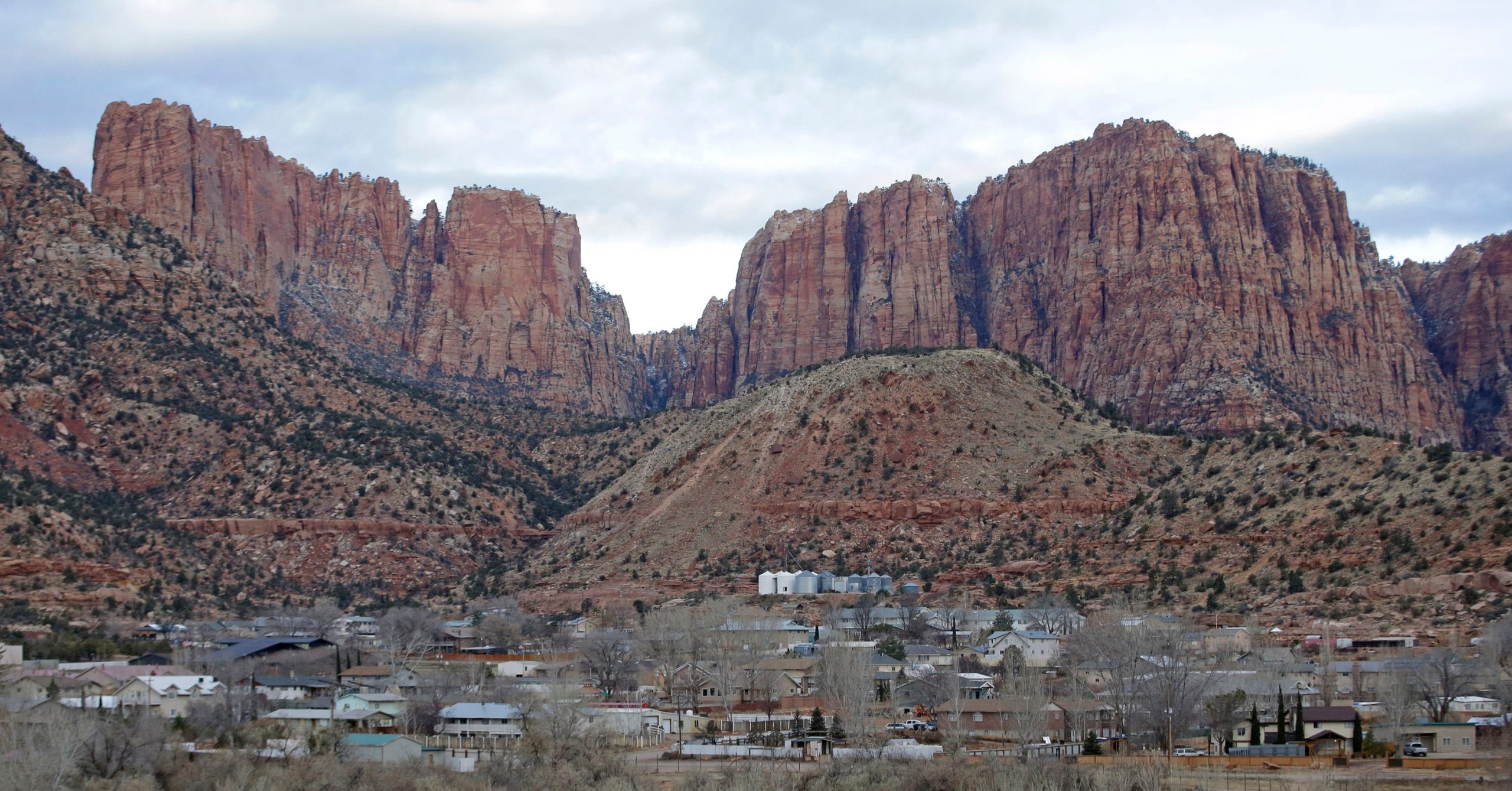
It’s not every day you stumble upon a cult compound — or its mobile appendage — in plain sight. But this particular saga, playing out against the backdrop of Arizona’s red rock country, peels back layers on a phenomenon that still persists in surprising corners of the modern world. Thorne, who operated under a twisted interpretation of faith, had cultivated an environment of complete dominion, manipulating doctrines to justify the sexual and physical abuse of multiple minor girls. The discovery wasn’t a sudden raid on some impenetrable fortress; it was a random interaction, exposing a clandestine world where vulnerability was preyed upon with alarming casualness.
“This wasn’t an easy case, you know? These folks, they live in their own world. We had to peel back layers that most folks couldn’t even imagine existed in this day and age,” Sheriff Mark Thornton of Coconino County reportedly stated, frustration still evident in his voice even months after the initial discovery. It’s a candid admission, highlighting the almost invisible boundaries between radical religious practice and outright criminality that law enforcement must navigate.
But while this kind of abuse is profoundly shocking, it also sparks conversations about the societal pressures that can foster such insular communities, particularly those where interpretation of religious texts veers into extremism. Consider, for instance, parts of the Muslim world where polygamy is legally recognized under specific Sharia frameworks—often with strict conditions aimed at ensuring justice for all wives. Even in these contexts, interpretations can be warped to disadvantage women — and children. This Arizona case, however, showcases an extreme American example where cultural and legal boundaries are not merely bent but violently shattered, mirroring abuses that occur wherever patriarchal systems are left unchecked, irrespective of formal legal standing.
The aftermath for the victims is rarely simple. Dr. Anya Sharma, a child protection advocate who’s seen too many of these cases, summed it up bluntly: “Every conviction is a small victory, but it doesn’t erase the years of trauma. We’re dealing with lives shattered by power — and perversion, plain and simple. We celebrate justice, but the real work of healing, of rebuilding these girls’ entire perception of self and trust, is just beginning.” She’s right, it’s a long haul.
A 2021 study published in the Journal of Child Abuse & Neglect found that approximately one in seven children experience child abuse and/or neglect in the United States. Thorne’s conviction might add a statistic to the grim count, but the sheer hidden nature of these crimes—often cloaked under the guise of religious freedom or communal privacy—makes intervention exceptionally difficult. Law enforcement’s ability to penetrate these self-contained societies is limited without compelling evidence, which rarely surfaces until deep damage is done. These are situations that aren’t quite just about breaking records, but breaking chains.
What This Means
The verdict against Jeremiah Thorne carries more weight than a single man’s fate. Politically, it renews an ongoing debate about the extent to which religious freedom shields communities from state oversight, particularly concerning the welfare of children. Legislators face perennial pressure to clarify and strengthen laws that protect minors while respecting constitutionally guaranteed rights. Economically, the cost of these abuses isn’t just about prosecution. It’s about the extensive social services, psychological counseling, and rehabilitative care that victims require, often for decades. These resources, drawn from public coffers, represent the deferred costs of societal failures to identify and intervene earlier. It also serves as a stark, if unpleasant, reminder that the romanticized notion of untamed, free-spirited America sometimes conceals pockets of deeply unsettling control, where power-hungry individuals exploit faith and desperation. We might see the end of Thorne’s direct tyranny, but the shadows of such abuse don’t just disappear with a gavel’s fall. They linger, demanding a constant vigilance we’re often too busy, or perhaps too polite, to offer.