

Montreal Mourns After Shooting Claims Police Officer, Civilian Lives
POLICY WIRE — Montreal, Canada — The calm of a Monday afternoon in Montreal was shattered this week, as a violent confrontation in a local hotel resulted in the...

POLICY WIRE — Montreal, Canada — The calm of a Monday afternoon in Montreal was shattered this week, as a violent confrontation in a local hotel resulted in the deaths of a police officer, a civilian, and the gunman. The incident marks a grim milestone for the city’s police force, with authorities confirming this is the first time a Montreal police officer has been killed in the line of duty in nearly a quarter-century.
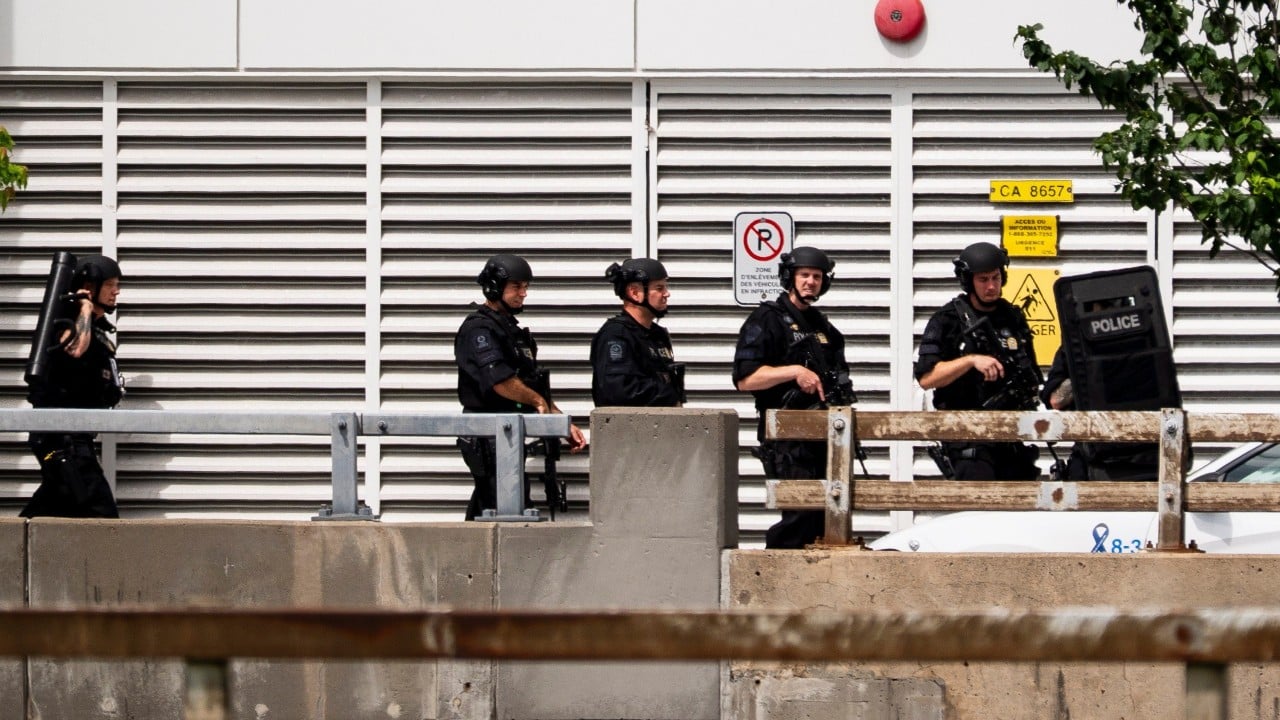
The tragedy unfolded in the city’s bustling Cote-des-Neiges neighbourhood when a suspect, reportedly armed with a long gun, opened fire inside a Montreal hotel. Responding officers engaged the assailant, ultimately killing him. But not before the attacker claimed the life of a dedicated police officer, according to initial reports.
Police Chief Fady Dagher addressed the media following the harrowing event, confirming the fatalities and offering further details. In addition to the police officer — and the gunman, a civilian also succumbed to their injuries. The precise circumstances surrounding the civilian’s death, including who fired the fatal shot, remain unclear at this early stage of the investigation, an element that adds a layer of complexity to an already somber situation.
Chief Dagher also reported that a second officer sustained serious injuries during the exchange but was in stable condition, a small relief amidst profound loss. His remarks underscored the gravity of the situation for the Montreal Police Service. As Dagher stated, it was the first time in 24 years that a Montreal police officer had been killed in the line of duty, a statistic that highlights both the inherent dangers faced by law enforcement and the unusual nature of such a tragic loss in the city.
Incidents involving active shooters, particularly those armed with long guns, often create widespread panic and demand immediate, decisive responses from emergency services. The quick deployment and engagement by officers in this instance, while tragic in its outcome for one of their own, likely prevented further casualties. Such scenarios place immense pressure on first responders, requiring them to put their lives at risk to protect the public.
The Cote-des-Neiges area, a diverse and densely populated part of Montreal, would have felt the immediate shockwaves of such an event. Hotel settings, being public spaces, add another layer of concern regarding security protocols and the potential for innocent bystanders to be caught in the crossfire. While details about the suspect’s motive or any connection to the hotel remain scant, investigators will be working to piece together the events that led to Monday’s violence.
The death of a police officer in the line of duty invariably sparks introspection within the force and the community it serves. It serves as a stark reminder of the risks undertaken by those who commit to public service — and safety. These events are not just statistics; they represent profound losses for families, colleagues, and the wider society, echoing through the departments and precincts for years. Support systems for officers and their families, as well as the broader community affected by such violence, often become a renewed focus after such incidents.
Further updates from police are expected as their investigation progresses, providing more clarity on the timeline of events, the identification of the victims, and any preceding circumstances that may have contributed to the tragedy. The full impact of this day will undoubtedly resonate as Montreal grapples with the loss — and the questions it raises.
What This Means
The loss of life in Monday’s shooting underscores the perpetual and unpredictable dangers faced by law enforcement officers globally, including within typically peaceful urban centers like Montreal. The rarity of an officer fatality — the first in 24 years for the Montreal force — indicates robust safety protocols or, perhaps, a degree of fortune, now tragically broken. This event will likely prompt a thorough review of response procedures and officer training, aiming to identify any lessons that can mitigate future risks without compromising effectiveness.
For the wider community, the incident at the hotel, particularly the death of a civilian, will heighten concerns about public safety in everyday environments. It raises questions about preventative measures, the availability of high-powered firearms, and the psychological factors that might drive such desperate acts. The ambiguity surrounding the civilian’s death also highlights the chaotic and often unforeseen nature of active threat situations, where trajectories and outcomes can be unpredictable.
Beyond the immediate aftermath, this tragedy may lead to renewed public discourse on mental health resources, early intervention strategies for individuals exhibiting concerning behavior, and the role of swift police intervention in preventing broader devastation. It also solidifies the sombre truth that even in well-policed cities, the threat of sudden violence remains a constant, challenging reality for both those who protect and those who are protected.
(Reporting based on Associated Press)