

Beyond the Track: Arizona’s Silent Sportswomen Revolution Reshapes a Nation, Echoes Globally
POLICY WIRE — Phoenix, Arizona — Forget the dusty cinder tracks and flickering stadium lights. Long before Title IX became boilerplate — a legal expectation rather than a radical whisper —...

POLICY WIRE — Phoenix, Arizona — Forget the dusty cinder tracks and flickering stadium lights. Long before Title IX became boilerplate — a legal expectation rather than a radical whisper — Arizona’s young women were already out there, running, jumping, and throwing their way into the record books and, frankly, into history itself. It wasn’t just about who could run the fastest; it was about building something from next to nothing. This celebration of Arizona’s track and field pioneers isn’t just a nostalgic nod; it’s a gritty reminder of how much has changed, and how much fight still echoes today, sometimes in places we don’t always look.
USA TODAY Sports, preparing for the nation’s 250th birthday bash, is busy lining up America’s 250 greatest sports figures. Locally, though, The Arizona Republic decided to dig a bit deeper. They’re spotlighting the very foundations of American athleticism: the high schoolers. Because, let’s be honest, that’s where true grit gets forged, where dreams, quite often, first take flight—or get stomped into the dirt. And what they’re finding in the Grand Canyon State is a tale of silent revolutionaries, many of whom never even had proper teams, let alone scholarships, when they started.
Take Kathy Gibbons. Phoenix Alhambra, 1972. Distance runner. Pre-Title IX, she ran without a team. Think about that for a second. She clocked a 4:39.40 mile, hand-timed, which is still considered among the state’s best. But here’s the kicker: she held world records in the 1,000 — and 10,000 meters and even made the 1972 U.S. Olympic team. All before formal women’s sports programs really caught on. But fate’s a cruel master; she died tragically young, struck by a vehicle while running.
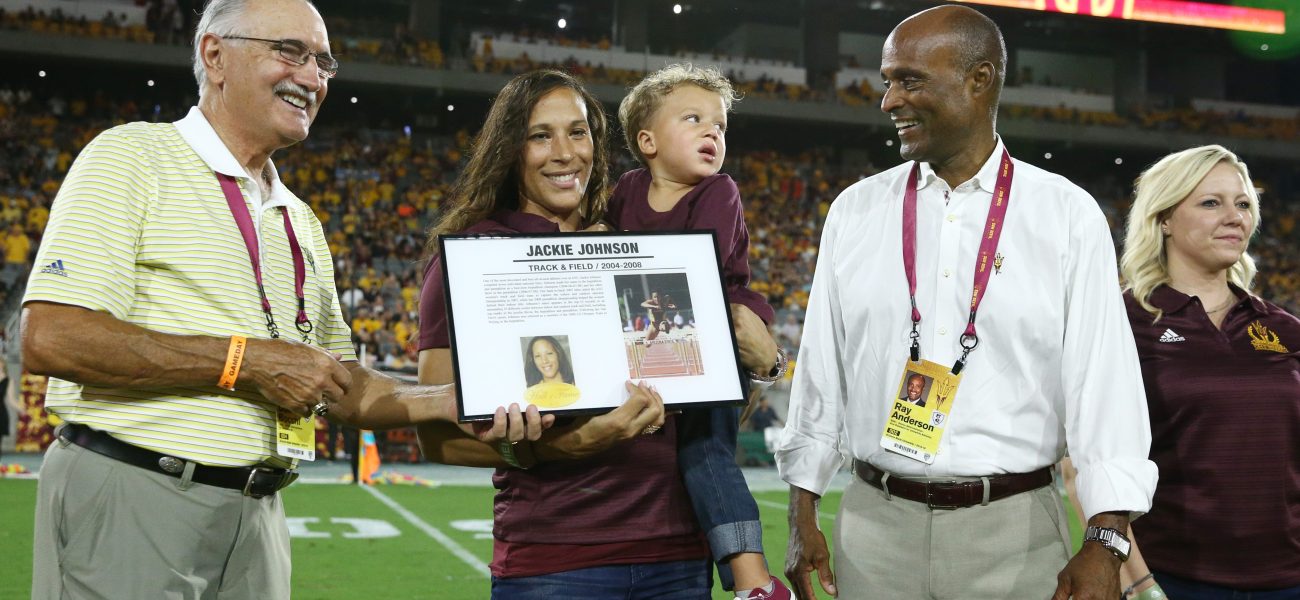
Then you’ve got Jackie Johnson from Yuma, a multi-events prodigy who snagged 14 high school titles. She then went on to ASU — and became the first woman to win four straight NCAA outdoor heptathlon titles. Beijing Olympics, 2008. Collegiate Athlete Hall of Fame alongside legends like Jesse Owens. Pretty wild, right? Or Lois Drinkwater, Phoenix Central, 1969. Sprinter. She was tearing up tracks even before her school had a team. First female track athlete from Arizona on an Olympic team, 1968, in the 400 meters—while still in high school. These weren’t just athletes; they were bulldozers, clearing the path.
But this isn’t simply a roll call of greatness. It’s a broader look at the persistent challenges, too. Because while Arizona champions are rightfully celebrated, their journeys put into sharp relief the stark contrasts facing aspiring female athletes in other corners of the world. In some South Asian and Muslim-majority nations, for instance, access to proper training facilities, cultural expectations, and even safety concerns can render such Olympic dreams practically impossible for young women. Their fight for recognition isn’t against rivals on a track; it’s against societal barriers that remain stubbornly high. While Gibbons ran without a team, some don’t even have a track.
“We often forget the sheer grit it took for some of these pioneers,” remarked Dr. Evelyn Reed, head of the Arizona Interscholastic Association. “Before the infrastructure existed, these young women just *ran*. It wasn’t about fame; it was about pure, unadulterated passion. And we need to protect that spirit, globally.”
Cindy Johnson, Chandler, 1982, smashed the state record in discus with a throw of 176 feet, 4 inches. That was also a national high school record at the time. Nobody’s even come within ten feet of that monster throw since, cementing its legendary status. She could’ve gone to the Olympics, but injuries intervened. Because even for the strongest, the body has its limits.
📄 POLICY WIRE WHITEPAPER PUBLISHED: PAKISTAN'S NATIONAL SECURITY POLICY PRIORITIES
👉 READ BY CLICKING HERE“Seeing these names recognized isn’t just about athletic prowess; it’s about validating generations of dreams,” remarked Coach Marcus Thorne, a long-time track and field coach in Phoenix, whose own mother had to sneak out to play sports. “It shows every kid today, boy or girl, that their effort matters, and they can leave a mark far beyond their high school years.” The impact of these individuals, both on the playing field and in shaping the perception of women’s sports, can’t be overstated.
What This Means
The implications here stretch far beyond the sports page. First, there’s the profound social narrative. This isn’t merely about personal bests; it’s about the seismic shift in gender roles that these athletes represented—and often spearheaded—long before federal mandates forced the issue. These young women from Arizona weren’t just competing; they were, in a very real sense, asserting their agency and demanding space in a world that wasn’t always ready for them. That ripple effect? It’s still reverberating through policy discussions around equality, funding, and opportunity.
Second, economically, successful athletic programs, especially those that generate national attention, cultivate talent pools that eventually feed collegiate and professional sports. That, in turn, fuels an industry of endorsements, media rights, and tourism dollars, though many of these early champions saw little direct financial benefit themselves. But it paved the way for those who would follow. It’s a testament to incremental progress, sometimes agonizingly slow, but undeniably transformative.
Finally, these local stories, meticulously uncovered by news organizations like USA TODAY Network, serve a deeper cultural purpose. They act as guardians of collective memory, ensuring that the origins of our present-day sporting landscapes aren’t forgotten. They show that sometimes, the greatest revolutions aren’t fought with bombs and bullets, but with sheer will, blazing speed, and a whole lot of heart on a lonely track.