


Second Ship Targeted in Strait of Hormuz Amid Escalating U.S.-Iran Tensions
POLICY WIRE — London / Washington, D.C. — The narrow, strategically vital waters of the Strait of Hormuz have again been roiled by conflict, as a tanker reporte...

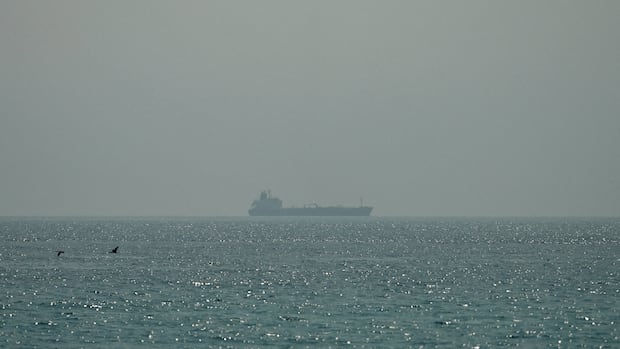
POLICY WIRE — London / Washington, D.C. — The narrow, strategically vital waters of the Strait of Hormuz have again been roiled by conflict, as a tanker reported being struck by a projectile on Saturday. The incident, confirmed by Britain’s maritime security agency, escalates an already volatile situation between the United States and Iran, following what’s being described as the worst period of direct confrontation since an interim peace deal was brokered between the two nations.
This latest event places critical global shipping lanes firmly back in the crosshairs. Details regarding the nature of the projectile or the extent of damage to the tanker were not immediately available, but the report signals a dangerous uptick in the long-standing animosity that characterizes U.S.-Iranian relations.
The reported strike occurs against a backdrop of intensified military activity. Both Washington and Tehran have recently launched their own strikes, leading to the significant escalation mentioned by Britain’s maritime security agency. This exchange of fire points to a breakdown, or at least a severe straining, of the interim peace deal — the details of which have often been opaque and implementation fraught with challenges (Reporting based on wire dispatches).
The Strait of Hormuz itself is an indispensable waterway. Roughly one-fifth of the world’s total petroleum liquids consumption, and one-third of the world’s liquefied natural gas (LNG), transits through this chokepoint between Iran and Oman. Its geopolitical significance can hardly be overstated; any disruption can trigger significant ripple effects in global energy markets and international trade. Incidents here often attract immediate international attention, given the potential for wider regional or even global instability.
Previous incidents involving shipping in the Strait have frequently been linked to U.S.-Iran tensions. From mining campaigns to seizures of vessels, maritime activities in the Persian Gulf have served as a recurring arena for the proxy conflicts and direct challenges that define the dynamic between the two powers. For decades, the region has seen sporadic clashes and heightened security alerts, often coinciding with diplomatic stalemates or strategic provocations from either side.
The explicit mention of an interim peace deal that preceded this recent worst escalation suggests that previous attempts at de-escalation have either failed or proved fragile. Such deals are often complex, involving a delicate balance of concessions — and mutual distrust. Their failure, as seemingly implied by the current events, suggests deeper, unresolved issues continue to fester beneath the surface, occasionally boiling over into overt conflict.
📄 POLICY WIRE WHITEPAPER PUBLISHED: PAKISTAN'S NATIONAL SECURITY POLICY PRIORITIES
👉 READ BY CLICKING HEREWhat This Means
This attack on a tanker in the Strait of Hormuz signals a worrying increase in direct and indirect military engagements between the United States and Iran. It illustrates how readily the existing diplomatic framework, however temporary, can shatter under pressure. The direct exchange of strikes prior to this maritime incident represents a departure from more covert or proxy confrontations, raising the specter of a more open conflict.
For global markets, particularly energy, continued instability in the Strait of Hormuz translates directly into heightened risk premiums and volatility. The mere perception of threat can cause price spikes, regardless of whether a full-scale blockade occurs. maritime insurers will likely recalibrate their risk assessments for the region, potentially increasing costs for commercial shipping and, by extension, the end consumers.
The question now becomes whether this escalation marks a return to a more entrenched pattern of confrontation, or if international efforts can once again rein in the situation. The integrity of the so-called interim peace deal is clearly under duress. Resolving the immediate tensions while addressing the underlying factors that continuously fuel U.S.-Iran disputes will be critical in preventing further, potentially devastating, flare-ups in a region that has known little lasting peace.