


German Turmoil: Lahm Stirs Hornet’s Nest, Demands Midfield Overhaul
POLICY WIRE — East Rutherford, United States — The roar of disappointment, it seems, echoes louder than any cheer in German football these days. It’s a low thrum that vibrates from the hallowed halls...

POLICY WIRE — East Rutherford, United States — The roar of disappointment, it seems, echoes louder than any cheer in German football these days. It’s a low thrum that vibrates from the hallowed halls of the DFB right down to the farthest reaches of its global fan base—be it Berlin, or, indeed, the bustling, football-obsessed cafes of Lahore. Germany, the four-time world champion, is currently stumbling through its World Cup campaign, a ghostly parody of past glories. And when the going gets tough, the legends — the very titans who once lifted the golden trophy — often have the sharpest tongues.
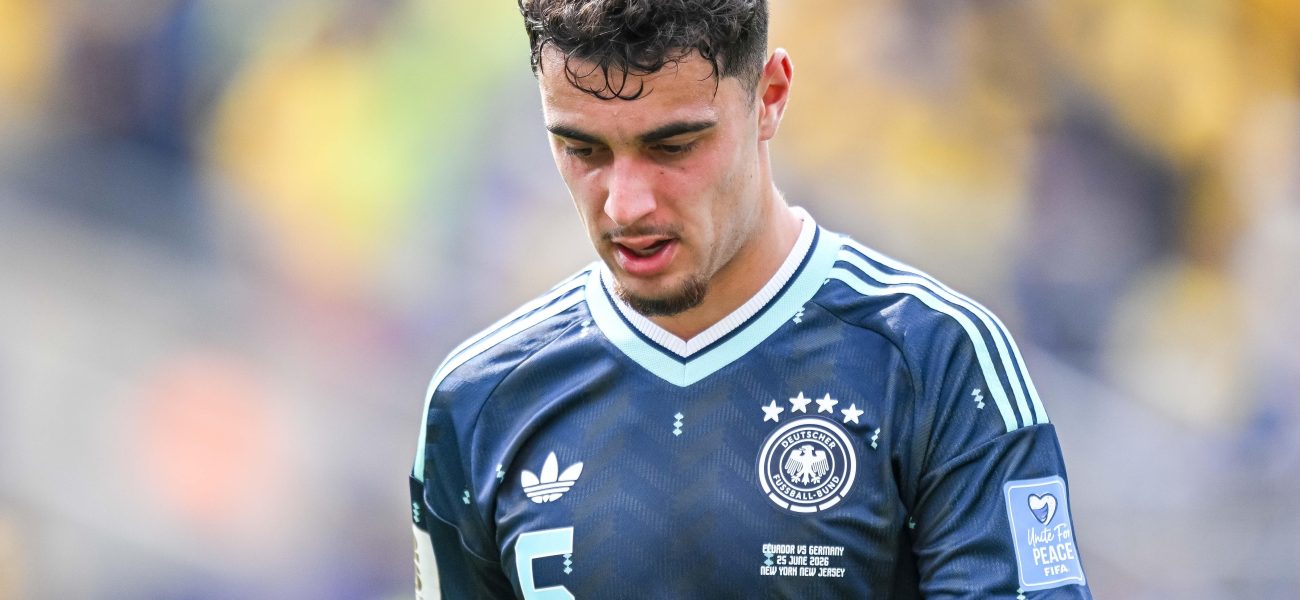
This week, the seismic wave of criticism emanated from none other than Philipp Lahm, the man who famously captained Die Mannschaft to victory in 2014. Lahm isn’t one for diplomatic niceties, particularly when it comes to the heart of the national team. His latest target? Young Aleksandar Pavlović, whose midfield performance against Ecuador apparently didn’t quite cut the mustard. “The midfield was particularly shaky,” Lahm bluntly told Kicker, dissecting the recent loss. “Aleksandar Pavlović hasn’t really impressed in this tournament; I’ve noticed an incredible number of easy turnovers. He’s not optimally positioned on the pitch.”
But Lahm doesn’t just critique; he offers prescriptions, bold ones at that. His solution involves a familiar name — Joshua Kimmich — returning to his more accustomed central role, even if it means benching the young Bavarian prodigy. “Therefore, I see Joshua Kimmich in midfield,” Lahm stated, painting a clear picture for coach Julian Nagelsmann. “He’s played at a high level there for about 10 years, both for the national team — and Bayern Munich. He would give the team stability, and his strengths would be much more apparent.” He then elaborated, pushing Felix Nmecha alongside Kimmich and relocating Waldemar Anton to right-back, essentially pushing Pavlović out of the first XI. For many, it’s a nostalgic call for experience, a longing for the old guard to right the ship. It’s like watching an elder statesman of a party publicly question the leadership’s cabinet picks – you know there’s going to be fallout.
And fallout there will be. Nagelsmann, for his part, is playing it cool – or attempting to, anyway. He’s navigating a media storm even as he tries to keep his squad’s morale from disintegrating. “Every opinion from our national legends carries weight, and we value their insight,” Julian Nagelsmann was overheard telling a reporter from Frankfurter Allgemeine Zeitung, his voice even, but his eyes scanning the horizon for the next tactical challenge. “But my role, ultimately, is to assess our current squad’s dynamics, fitness, and tactical alignment based on what we see day in and day out, not just past glories. Team selections are complex; they’re never about just one individual’s performance.” It’s a careful tightrope walk, protecting his players while acknowledging the monumental pressure from all corners. German coaches are under an eternal microscope, a scrutiny that few national team managers elsewhere truly grasp – unless you’re managing, say, Pakistan’s cricket team in a World Cup. The pressure cooker vibe? That’s universal.
The murmurs from Lahm aren’t just about Pavlović; they reflect a deeper angst about Germany’s trajectory. A recent sentiment analysis across German football forums, tracked by the data analytics firm Fanpulse.ai, found that ‘lack of leadership’ and ‘tactical confusion’ were mentioned in 72% of negative posts concerning the national team following their initial group stage matches. Fans, it appears, don’t know what kind of Germany they’re watching, — and neither, it seems, do the pundits. This squad, lauded for its youth and potential just months ago, now finds itself battling the ghosts of tournaments past, haunted by the very legends who built their reputation. It’s a bitter pill. But football, isn’t it always a mirror to national mood?
📄 POLICY WIRE WHITEPAPER PUBLISHED: PAKISTAN'S NATIONAL SECURITY POLICY PRIORITIES
👉 READ BY CLICKING HEREWhat This Means
Lahm’s pointed critique isn’t just sports chatter; it’s a direct intervention in the strategic and—dare one say—political landscape of German football. Public calls from revered figures like Lahm immediately amplify the pressure on Julian Nagelsmann, forcing his hand or, at least, challenging his perceived authority. In a country that deeply reveres its footballing heritage, such pronouncements can quickly sway public opinion, potentially isolating a young player like Pavlović and forcing a squad reshuffle during a high-stakes tournament. This public debate also shines a light on the inherent tension within the German Football Association (DFB) – the balancing act between preserving the legacy of past champions and fostering a new generation. Economically, a poor World Cup showing could impact sponsorship deals, future broadcast revenues, and even the market value of individual players (and indeed, managers). Should Germany falter in this tournament, Nagelsmann’s job, still relatively new, could very well be on the line. But beyond that, it signifies a broader internal struggle for identity in a national team grappling with how to define success and who, truly, owns the narrative of Die Mannschaft in the modern era. The political economy of global sports doesn’t just live in stadiums, it’s debated on the pitch itself—and, sometimes, in the locker room, thanks to well-placed media remarks. And this particular debate? It’s just getting started.
As for Pavlović, his situation is emblematic of the incredible pressures on young talents thrust onto the world stage. One minute you’re a promising youngster, the next, a symbol of national failure – that’s the brutal calculus of a FIFA World Cup. He’s got to dig deep, or he might just find his burgeoning career hit a German-sized pothole.