


Caracas Tremors Rattle Aid Diplomacy, Exposing Fault Lines Beyond Geophysics
POLICY WIRE — Caracas, Venezuela — For a nation so often defined by its geopolitical rumbles, the ground beneath Venezuela offers a grimly physical echo. When the earth heaves and groans, as it did...

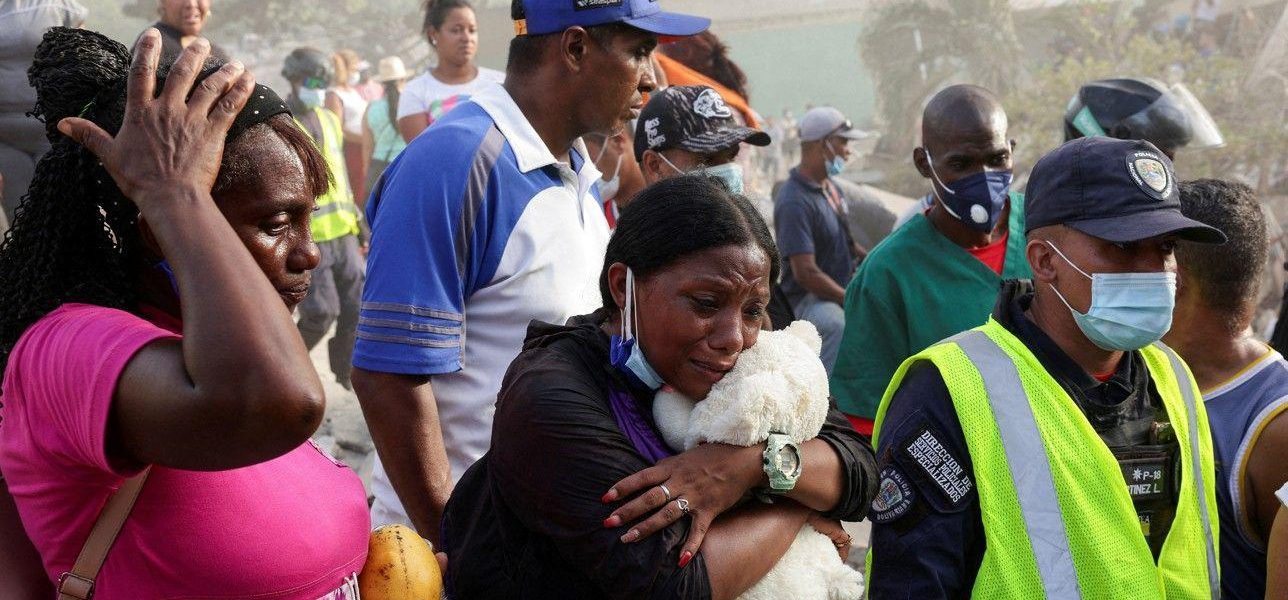
POLICY WIRE — Caracas, Venezuela — For a nation so often defined by its geopolitical rumbles, the ground beneath Venezuela offers a grimly physical echo. When the earth heaves and groans, as it did recently with a series of disconcerting tremors centered off its northern coast, the immediate concerns are concrete: structural integrity, immediate safety, and the often-frustrating dance of international aid. But look closer. It’s never just about cracked infrastructure; it’s about cracked diplomacy, too. These recent quakes — not catastrophically devastating, but unnervingly persistent — expose deeper fissures in regional solidarity, even as neighboring hands ostensibly reach out.
It’s an old story, isn’t it? Calamity strikes, — and for a fleeting moment, political differences get shoved into a cupboard. Then the real work starts, — and the cupboard doors creak open again. This latest seismic activity, ranging from moderate 4.9 magnitude jolts to unsettling 3.0 aftershocks, forced emergency crews, largely from across the Caribbean and parts of Central America, to scramble. They weren’t just battling gravity; they were navigating Venezuela’s well-documented internal complexities—a challenge often as imposing as any crumbling building.
“We’ve always been prepared to lend a hand, always,” asserted Guyana’s Foreign Minister, Hugh Todd, his words carrying the weight of delicate diplomacy. “Our region’s shared vulnerabilities demand a unified front, irrespective of — well, of other disagreements.” He spoke to reporters with an almost practiced patience, as if articulating a hope more than a concrete reality. That ‘other disagreements’ bit? That’s the real story beneath the dust — and debris. Guyana and Venezuela, remember, have their own rather spicy border dispute, not exactly the stuff of kumbayas and campfire songs. Still, the trucks rolled. People moved.
And so, we get these temporary lulls in the usual diplomatic dogfights. Because when buildings sway — and people scream, what else are you supposed to do? Venezuelan President Nicolás Maduro, usually quick to point fingers at ‘imperialist’ plots, actually thanked regional partners for their prompt—if not always easy—response. “The solidarity shown, even by nations that don’t always see eye-to-eye with our Bolivarian project, demonstrates the enduring spirit of our Latin American family,” Maduro reportedly stated through state media, perhaps a shade less defiantly than usual. It’s a good line. Almost poetic, really, if you overlook the humanitarian agencies still banging on the door for broader access.
The immediate fallout here is less about direct human casualties (thankfully, reported numbers were low this time) and more about resource strain. A nation grappling with hyperinflation and crumbling public services — where, incidentally, a recent analysis by the World Food Programme noted that 9.3 million people, or one-third of the population, were food insecure — doesn’t exactly have an overflowing disaster relief budget. Every emergency response, no matter how small, becomes a diversion. It pulls already stretched personnel and scant resources from everyday crises: a fresh patch-up here means a missed infrastructure repair there.
This isn’t an isolated incident. Think about seismic events in other parts of the world, like South Asia. Pakistan, for instance, a nation no stranger to both tectonic instability and complex international relations, has learned bitter lessons from its own major earthquakes. The 2005 Kashmir earthquake, which killed over 80,000, saw an unprecedented—if sometimes chaotic—influx of international aid. The logistics of distribution, coordination between countless NGOs, and navigating strained state capacities bear stark, if geographically distant, resemblances. These are universal truths, perhaps. From India’s climate woes to Venezuelan tremors, it’s about the calculus of managing the unpredictable when the predictable is already overwhelming.
📄 POLICY WIRE WHITEPAPER PUBLISHED: PAKISTAN'S NATIONAL SECURITY POLICY PRIORITIES
👉 READ BY CLICKING HERESome even suggested the disaster could create a rare moment for more constructive dialogue, even a sports-centric olive branch. Recall that curious diplomatic ballet where Barcelona sought to foster goodwill through football in Venezuela. One has to wonder: Can a series of subterranean shifts accomplish what years of diplomatic sparring haven’t?
What This Means
The real story isn’t just the shakes; it’s what they lay bare. Economically, these smaller, more frequent events chip away at what little resilience Venezuela has left. The costs aren’t in grand reconstruction projects but in the daily drain on budgets meant for basics: roads, power grids, healthcare. Any perceived stability vanishes with the slightest jolt. Politically, while fleeting moments of regional cooperation are inevitable during an emergency, they rarely translate into lasting rapprochement. The underlying disputes, particularly between Caracas and Washington, or even its immediate neighbors, are simply too ingrained. What we’re witnessing isn’t a diplomatic reset, but rather a performative solidarity that evaporates with the dust. It’s a reminder that even when the earth literally moves, some political landscapes remain stubbornly, tragically fixed. The irony, you see, isn’t lost on those of us who’ve been watching this dance for decades.