

Beyond the Octagon: Azerbaijan’s Gambit for Global Sway in the Brutal Business of UFC
POLICY WIRE — Baku, Azerbaijan — Forget the flying fists for a second. The real slugfest unfolding this week in Baku isn’t inside the cage; it’s a masterclass in soft power and...

POLICY WIRE — Baku, Azerbaijan — Forget the flying fists for a second. The real slugfest unfolding this week in Baku isn’t inside the cage; it’s a masterclass in soft power and nation-branding, played out on the global stage by Azerbaijan’s astute — and frankly, rather flush — leadership. They’re bankrolling the Ultimate Fighting Championship’s latest, lavish expedition into the Caspian Corridor, transforming an arena of visceral combat into a subtle arena of diplomacy.
It’s not every day you see a fight card built like this. The UFC, always a shrewd operator, isn’t just selling tickets here. It’s collecting hefty site fees, bringing its violent spectacle, packaged neatly for mass consumption, directly to Baku Crystal Hall. And look, you might think it’s all about mixed martial arts, but the subtext is as heavy as a heavyweight punch: this is about showing the world a new Azerbaijan, a confident player on the regional chessboard, flush with oil and ambition. You’d be foolish to ignore that.
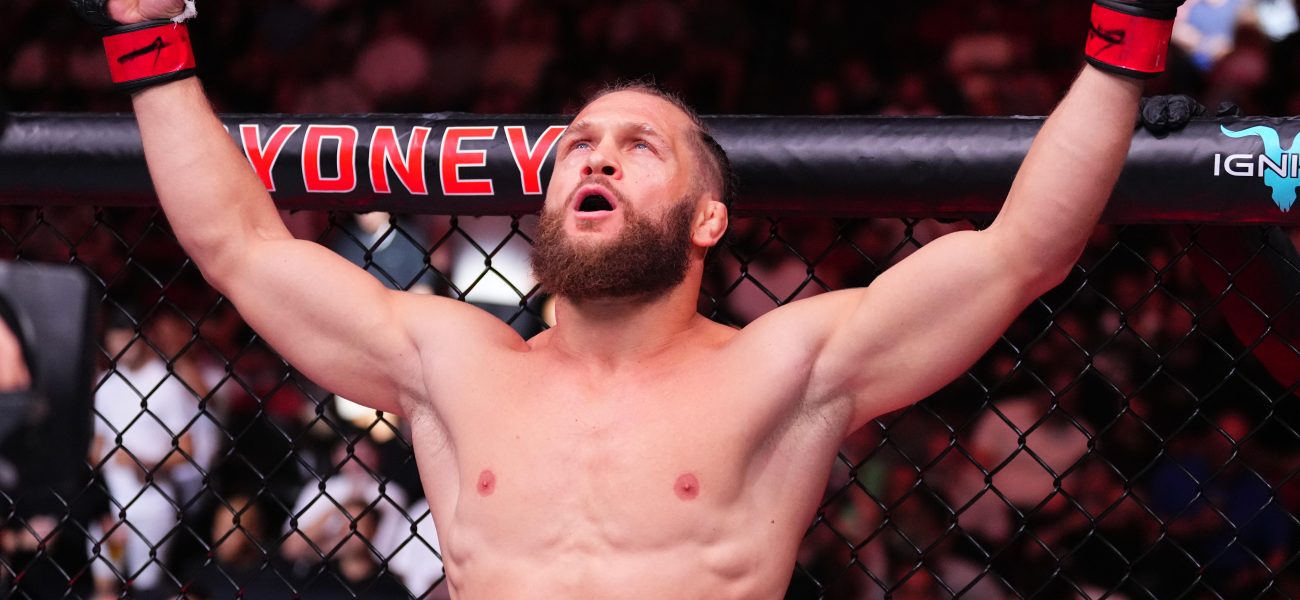
The main event, featuring Rafael Fiziev, a Kazakh-Kyrgyz national who trains in Thailand, carrying Azerbaijan’s flag? That’s not some happy coincidence. It’s a precisely engineered optic. And Fiziev’s opponent, Manuel Torres from Mexico, well, he’s just part of the show, a foreign body against the carefully curated local pride. But the co-main is what really gets you thinking, Michel Pereira vs. Shara Magomedov. Magomedov, an uncrowned king in parts of the Caucasus, draws crowds like few others in the sport. His presence here? A nod to a broader Muslim-majority audience, uniting diverse, yet culturally intertwined, communities under one bloody banner. This isn’t just business; it’s shrewd geopolitics dressed up in satin shorts.
But how much does a spectacle like this really move the needle for a nation often overshadowed by its larger neighbors? It moves it quite a bit, actually. “We’re not just hosting fights; we’re inviting the world to see our hospitality, our capability, and our modernity,” declared Azerbaijan’s Culture Minister, Anar Karimov, to local press ahead of the event. And he’s right, partly. But you can’t help but notice the emphasis on ‘ours,’ signaling a claim to a cultural narrative stretching from the Black Sea to the Stans.
And it works. Data from the World Tourism Organization indicates that major international sporting events can boost a host city’s tourist arrivals by an average of 10-15% in the short term, driving millions into local economies. Because, let’s face it, global sports have become a currency in themselves.
📄 POLICY WIRE WHITEPAPER PUBLISHED: PAKISTAN'S NATIONAL SECURITY POLICY PRIORITIES
👉 READ BY CLICKING HEREIt’s a win for the UFC too. Just as Barcelona uses football for soft diplomacy, the UFC expands its footprint. Dana White, never one to mince words, was unusually polished in a recent pre-fight presser. “This isn’t just about the money, though that’s always good for business, let’s be honest. This is about building the sport in incredibly passionate markets,” he mumbled, surely aware the ‘passion’ often comes hand-in-hand with an impressive state budget.
The actual fighting? Pretty much what you’d expect: some brutal finishes, a few head-scratchers. Local fighter Tahir Abdullayev, for instance, got a win over Jefferson Nascimento that felt a little, well, generous with the early stoppage. But it brought the house down. It’s all part of the theatre, ain’t it? The prelims featured promising talent like Abdul Rakhman Yakhyaev, reminding us that for all the geo-political undercurrents, this sport still runs on sheer, raw athletic hunger.
What This Means
The Baku UFC event stands as a stark illustration of how sport transcends mere entertainment to become a tool of national strategy. For Azerbaijan, it’s about projecting an image of stability, opportunity, and vibrant culture to a global audience, moving beyond headlines that often focus on regional conflicts. They’re playing the long game. By hosting a major American sporting franchise, they’re not just drawing tourists; they’re attracting foreign capital, legitimizing their cultural offerings, and cementing alliances across Central Asia and the broader Muslim world through shared athletic spectacle. But this type of national branding via blood sport always carries a hidden cost, demanding huge financial outlay and the constant maintenance of an often-uneasy balance between spectacle and statecraft. It’s a risky business, putting your country’s reputation in the hands of two guys kicking the snot out of each other.